
Category: Events
-
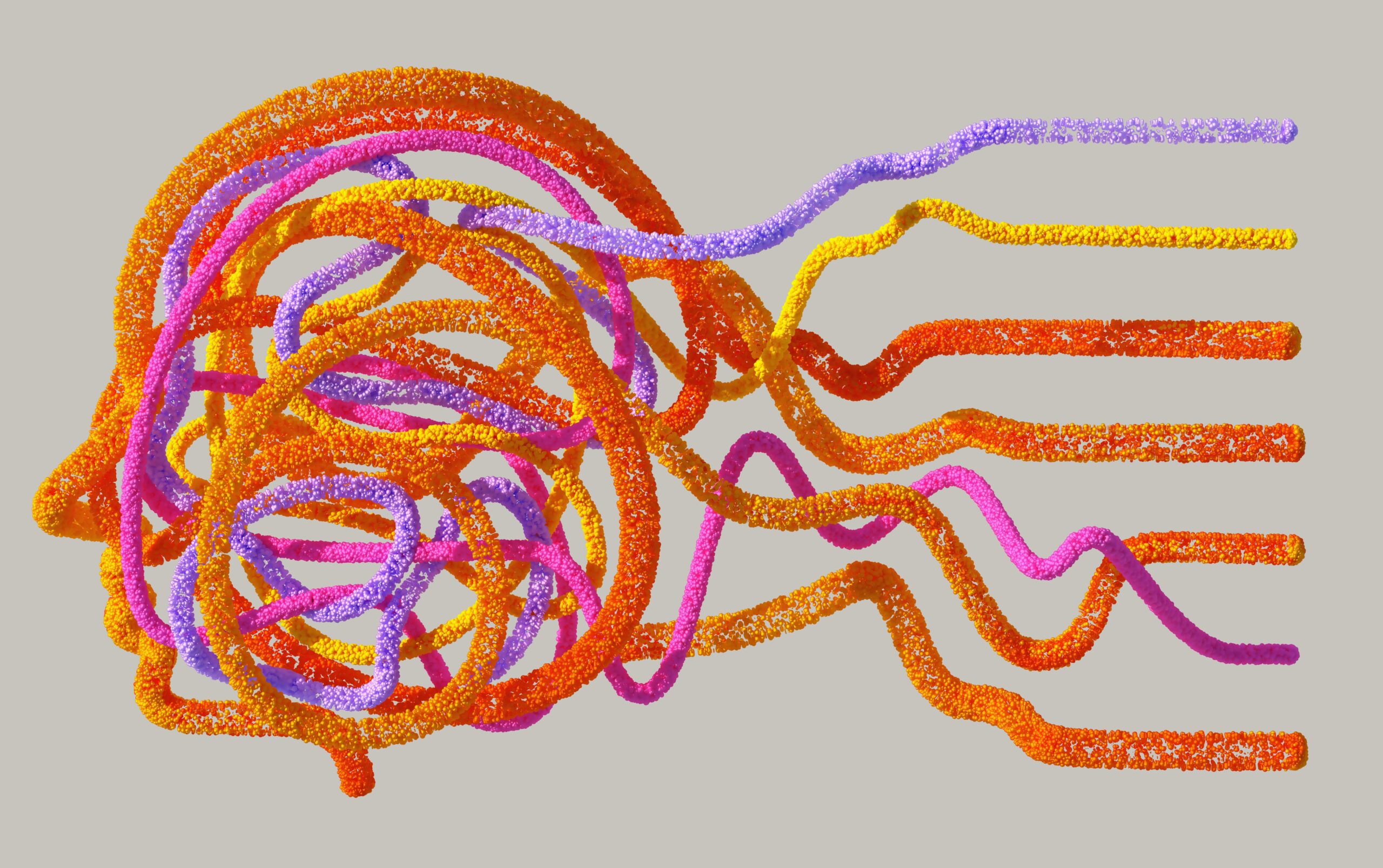
The Hidden Link Between Creativity, Empathy, and Sensory Sensitivity
We tend to talk about sensory sensitivity as a vulnerability to manage. Recent research suggests it might also be closely linked to some of the most valuable human capacities we have. What the Research Found A 2024 study published in Frontiers in Psychology examined the relationship between sensory processing sensitivity, creativity, and empathy in adults.…
-

Highly Sensitive People: The Science of Why 1 in 5 of Us Feel Everything More
Some people don’t just notice a loud room. They feel it, in their chest, their thoughts, their energy levels for hours afterward. There’s a name for this, and it’s more common than most people realise. Sensory Processing Sensitivity, or SPS, is a well-documented personality trait affecting an estimated 15–20% of the population. It’s not a…
-
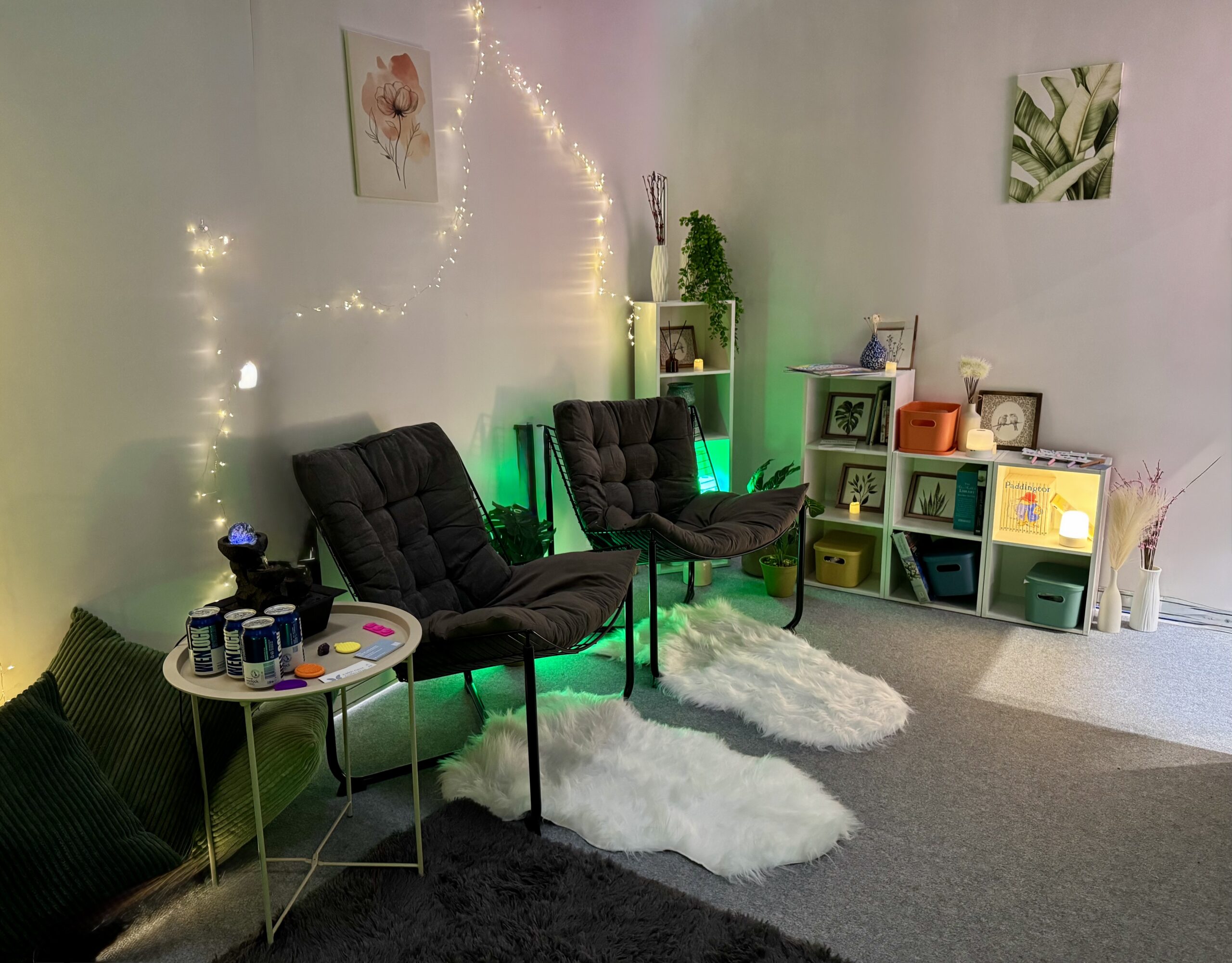
Why Quiet Rooms Are No Longer Optional
There was a time when quiet rooms were considered a nice extra, the kind of thing a well-resourced event might include if budget allowed. That time has passed. Quiet rooms are no longer a discretionary add-on. They are becoming standard infrastructure, as expected as accessible toilets, clear signage, or reliable wifi. And the organisations still…
-
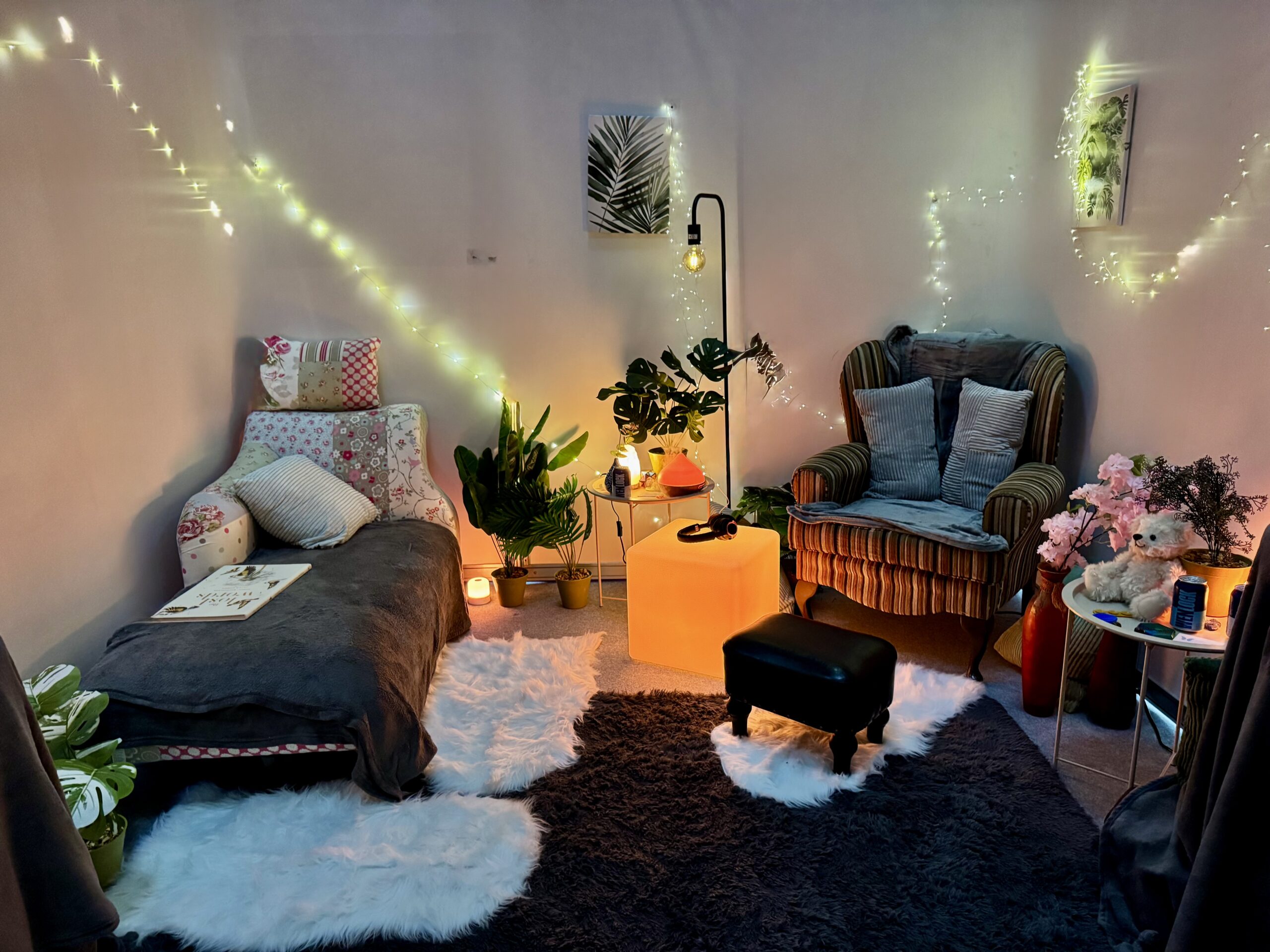
The Invisible Workforce: Why Crew Wellbeing Matters as Much as Visitors Experience
Every event has two audiences. One is visible, celebrated, and catered to at every turn. The other works twelve-hour shifts, eats standing up, and is rarely asked how they’re doing. That second audience is your crew. And the industry’s near-total silence on their wellbeing is one of the most significant gaps in inclusive event design…
-
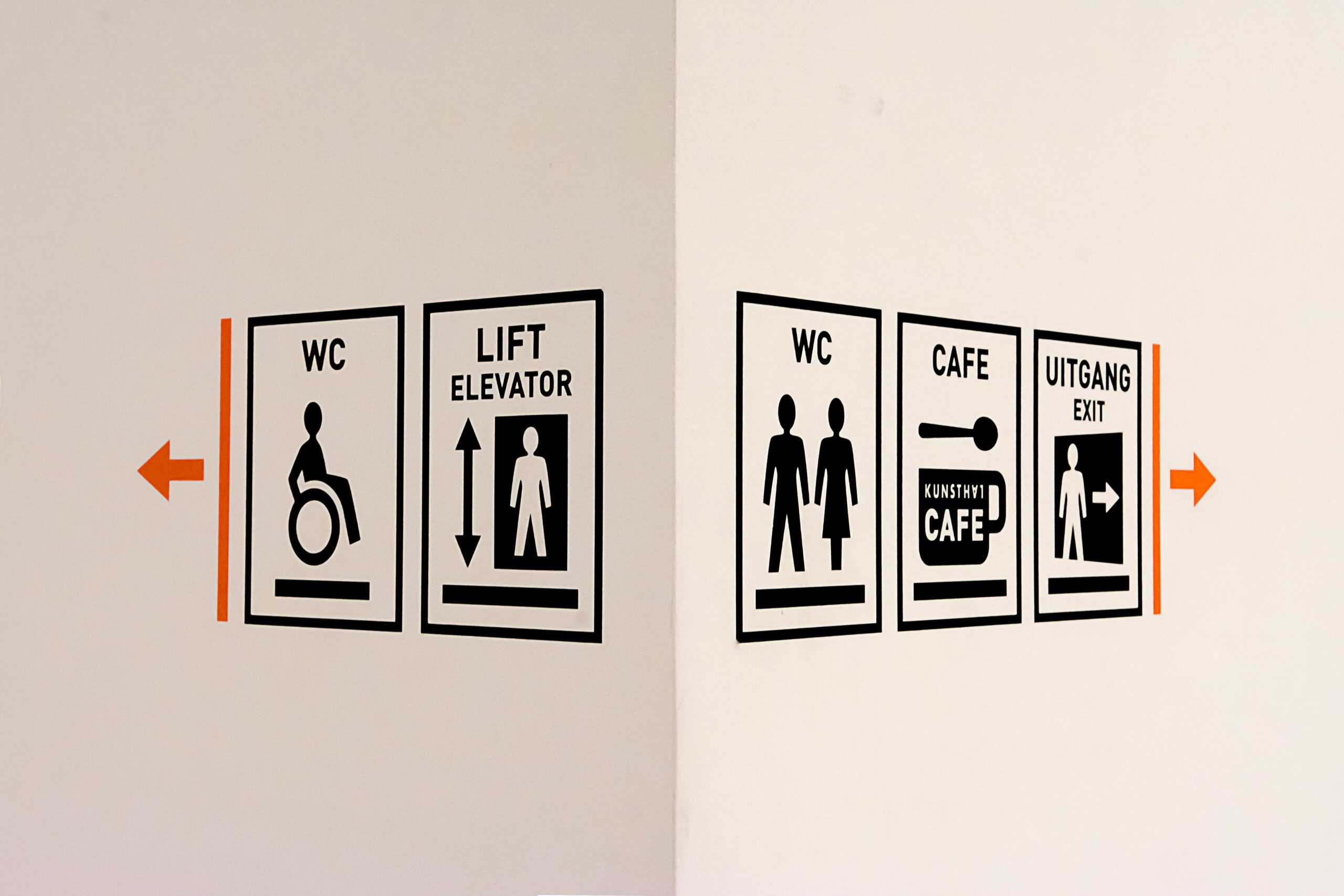
Inclusive Signage and Wayfinding. The Unsung Hero of Accessible Events
Most event planners treat signage as decoration. For many attendees, it is the difference between participation and panic. Clear wayfinding reduces cognitive load. It lets people navigate independently. It removes the anxiety of not knowing where to go which matters enormously for neurodivergent attendees, those with anxiety, and anyone who finds asking for help difficult.…
-
Design That Heals, Not Just Impresses
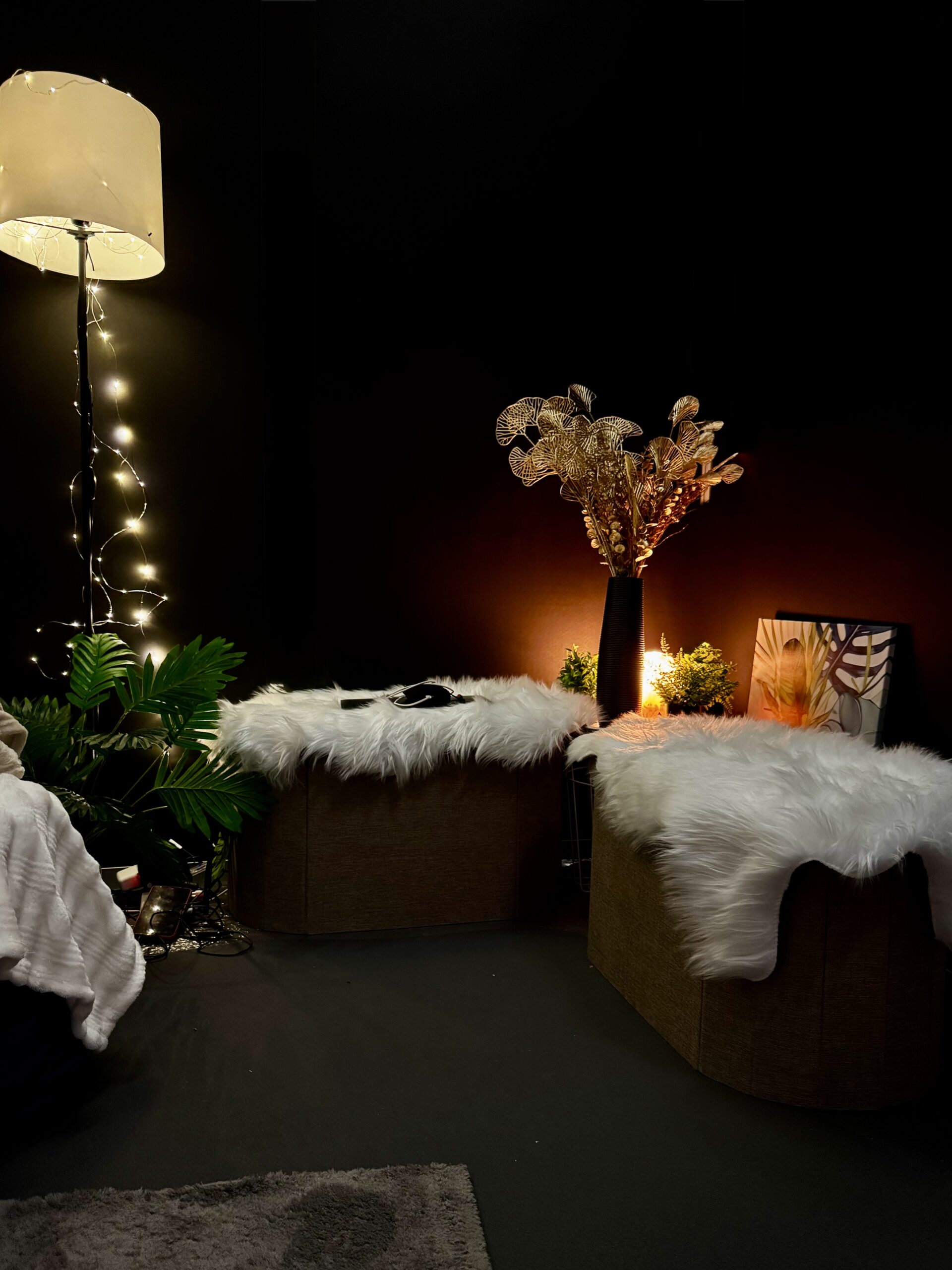
When we think about great design, we tend to picture visual impact, striking architecture, bold interiors, spaces that stop people in their tracks. But what if design could do something far more meaningful than impress? What if it could actively support the people inside it? That question sits at the heart of architectural psychology and…
-
Inclusive Event Design for Virtual and Hybrid Events
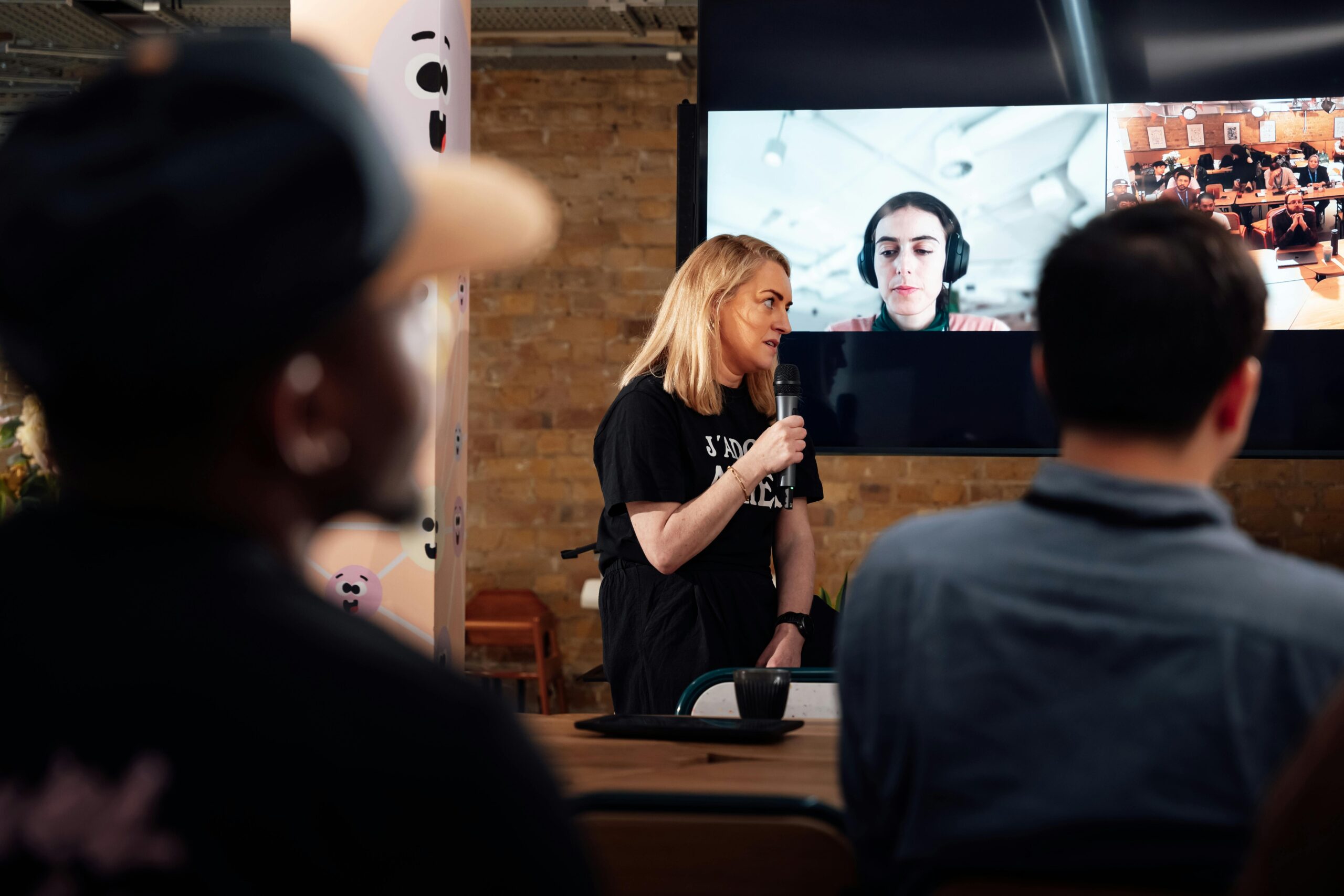
Virtual events are often assumed to be more accessible. In many ways they are. But inaccessible virtual design creates entirely new barriers and they affect the same people who already face barriers in person. Removing the need to travel, navigate a physical venue, or manage a crowd is genuinely valuable for many attendees with disabilities,…
-
The Quiet Zone Guide. How to Design One That Actually Works
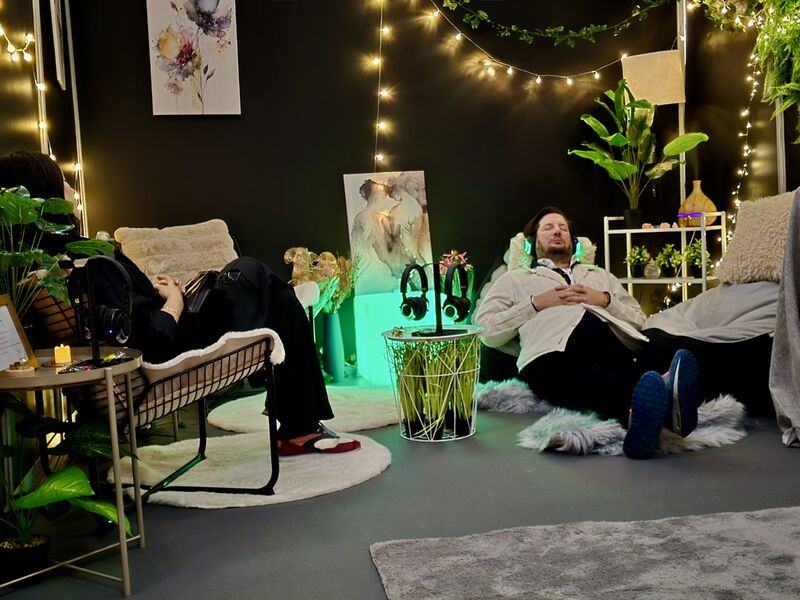
64.5% of people say a quiet zone allows them to stay at an event longer and participate more fully. That is a remarkable statistic for something that costs relatively little to implement. A quiet zone is not a corner with a beanbag. A well-designed one actively restores people’s capacity to engage. Here is how to…
-
How to Choose an Inclusive Venue (Before You Sign the Contract)
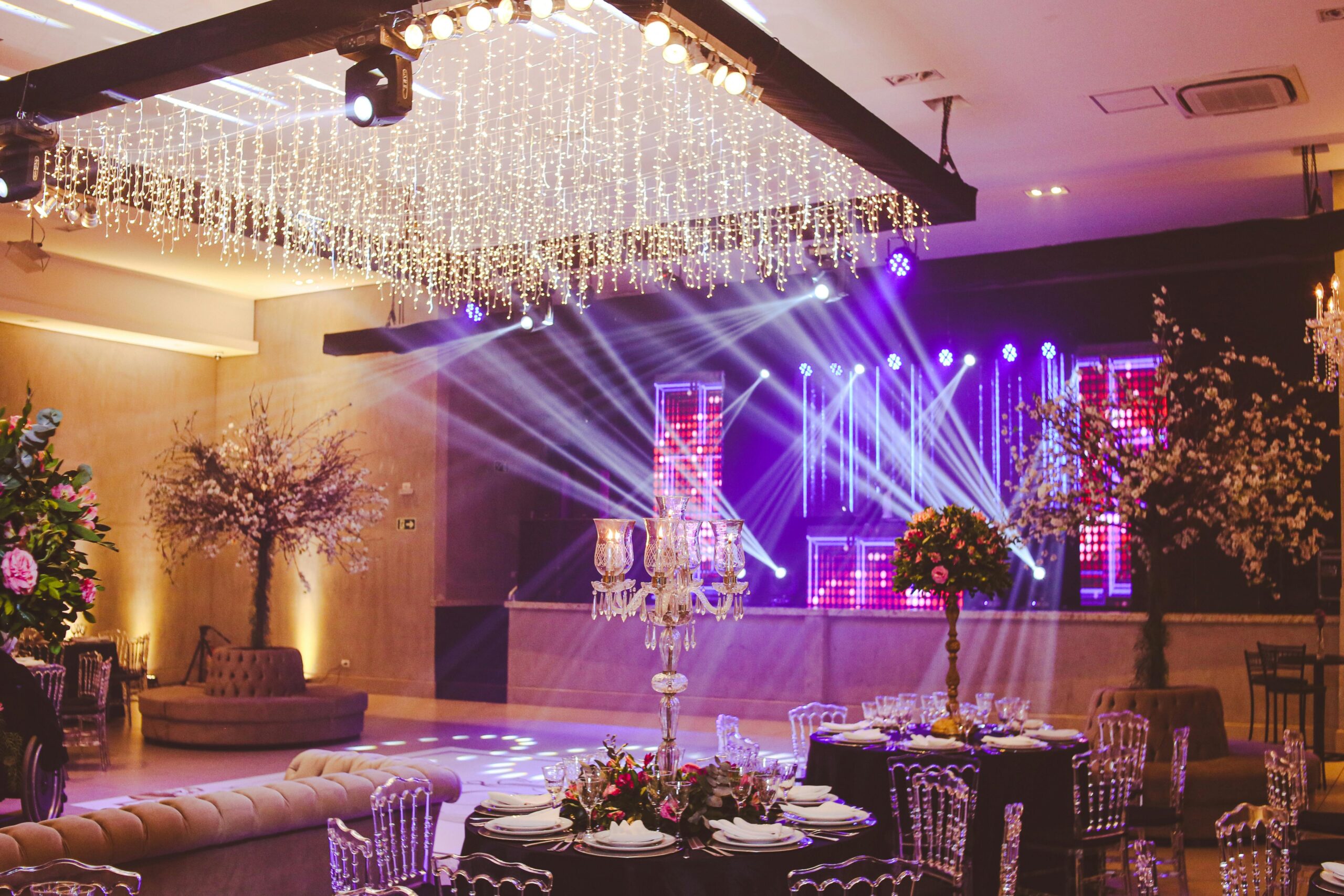
Most event planners choose a venue for how it looks. The most inclusive planners choose it for how it works. Venue selection is the single biggest factor in whether your event includes or excludes a large part of your audience. Get it wrong and no amount of good content or warm staff will fix it.…
-

Lighting, Sound, and Smell. The Sensory Details That Make or Break Inclusive Events
Most event organisers think about staging, catering, and schedules. Fewer think about the sensory environment their attendees are about to walk into. That is a problem. For neurodivergent attendees and for many more people than you realise, the sensory experience of an event determines whether they can participate at all. Sound: The Biggest Barrier You…