
There was a time when quiet rooms were considered a nice extra, the kind of thing a well-resourced event might include if budget allowed. That time has passed.
Quiet rooms are no longer a discretionary add-on. They are becoming standard infrastructure, as expected as accessible toilets, clear signage, or reliable wifi. And the organisations still treating them as optional are falling behind, quietly and measurably.
The Numbers Behind the Shift
Around 15–20% of the global population is neurodivergent. Roughly 1 in 4 people experience a diagnosable mental health challenge in any given year. And research consistently shows that 50% of people with disabilities have previously had to leave an event because they could not fully participate.
These are not marginal statistics. They describe a significant proportion of every audience, every workforce, and every campus community you will ever engage with. An event or workplace without a genuine calm space is quietly excluding a substantial share of the people it was designed to serve.
What Changed
Three things have shifted the conversation from optional to essential. First, the evidence base has matured, we now have robust research linking sensory-friendly design to measurable improvements in engagement, retention, and wellbeing. Second, attendees and employees are more vocal than ever, sharing their experiences publicly and holding organisations accountable in real time. Third, organisations that have implemented quiet rooms are reporting the results: better satisfaction scores, longer attendance, deeper engagement.
Put simply: the organisations doing it are seeing the benefit, and the organisations not doing it are starting to notice the gap.
What “No Longer Optional” Actually Looks Like
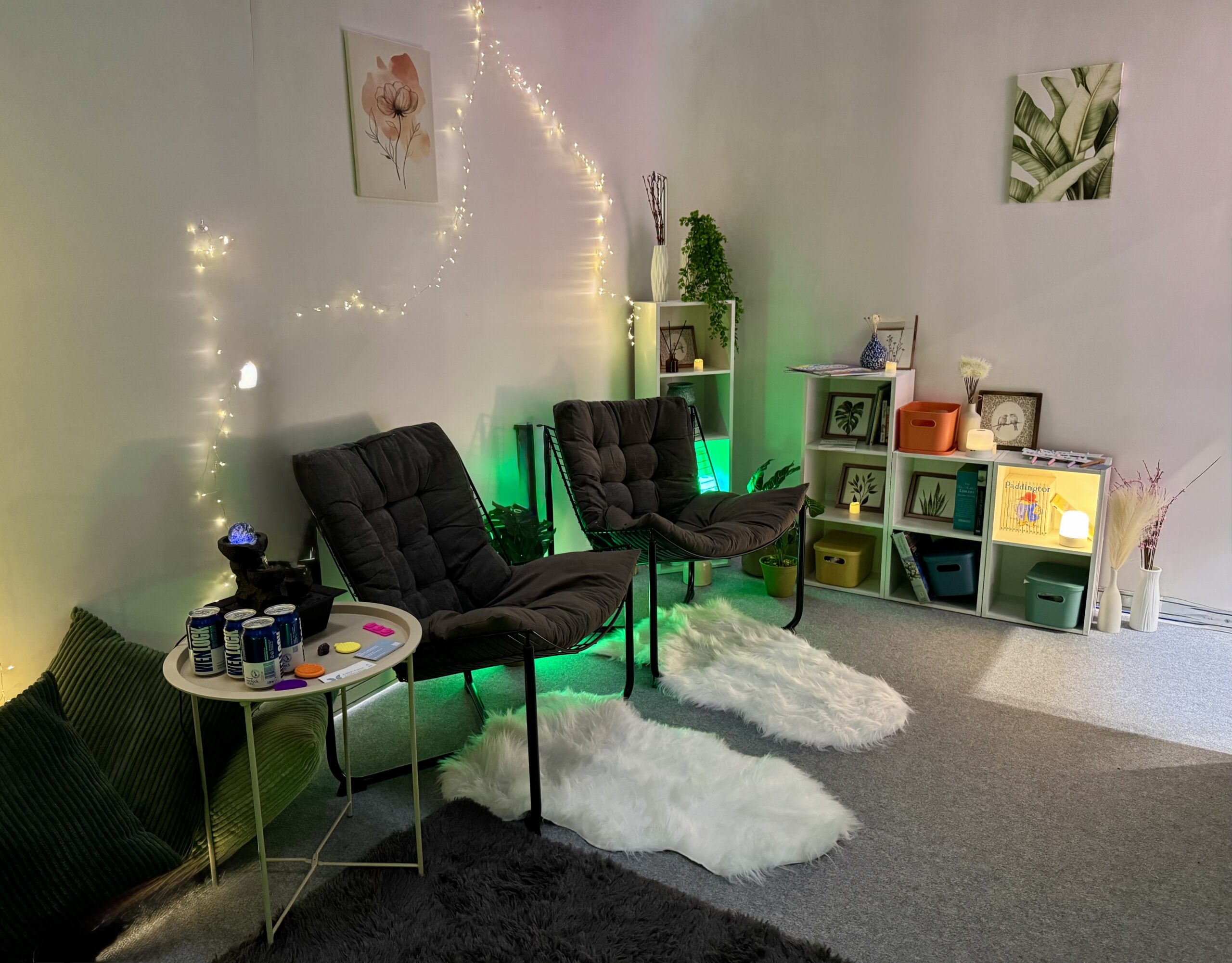
This doesn’t mean every event needs an elaborate sensory suite. It means every event and workplace needs something, a genuinely quiet, welcoming space where anyone can step away, regulate, and return. At minimum, that means:
- A dedicated space, separate from multi-purpose rooms
- Soft lighting and comfortable seating
- Clear, visible signage and communication about its purpose
- A no-questions-asked policy for anyone who uses it.
The scale can grow with your budget. The principle should not be negotiable.
Calm Nest Collective’s Approach
At Calm Nest Collective, we design and deliver Calm Nest Spaces that meet organisations wherever they are, from a single well-designed room at a modest event to comprehensive sensory infrastructure across a multi-day conference or corporate campus.
Because the question is no longer should we have a quiet room? It’s how do we build one that genuinely works?
Let’s build yours [Get in touch with Calm Nest Collective →]
