
Every event has two audiences. One is visible, celebrated, and catered to at every turn. The other works twelve-hour shifts, eats standing up, and is rarely asked how they’re doing.
That second audience is your crew. And the industry’s near-total silence on their wellbeing is one of the most significant gaps in inclusive event design today.
The Reality of Event Work
Event crew, riggers, AV technicians, stage managers, front-of-house staff, security, catering teams, routinely work shifts of twelve hours or more, often across multiple consecutive days, with unpredictable breaks and limited access to rest. The pressure to deliver a flawless experience for attendees rarely extends to asking whether the people delivering it are okay.
This isn’t a minor operational detail. It’s a wellbeing crisis hiding in plain sight. Chronic sleep deprivation, physical exhaustion, and sustained high-stress problem-solving take a measurable toll, on health, on morale, and ultimately on the quality of the event itself. Tired, unsupported crews make more mistakes, communicate less effectively, and burn out faster.
Why This Gets Overlooked
Crew wellbeing gets neglected for a simple reason: crew are rarely in the room when inclusive design conversations happen. Accessibility and inclusion strategies are built around visitors, as they should be, but the same thinking almost never extends backstage.
The result is a strange contradiction: events that pride themselves on attendee-centred design while running their own teams into the ground.
What Crew Wellbeing Actually Requires
This doesn’t mean every event needs an elaborate sensory suite. It means every event and workplace needs something, a genuinely quiet, welcoming space where The good news is that the same principles that make events inclusive for attendees apply directly to crew:
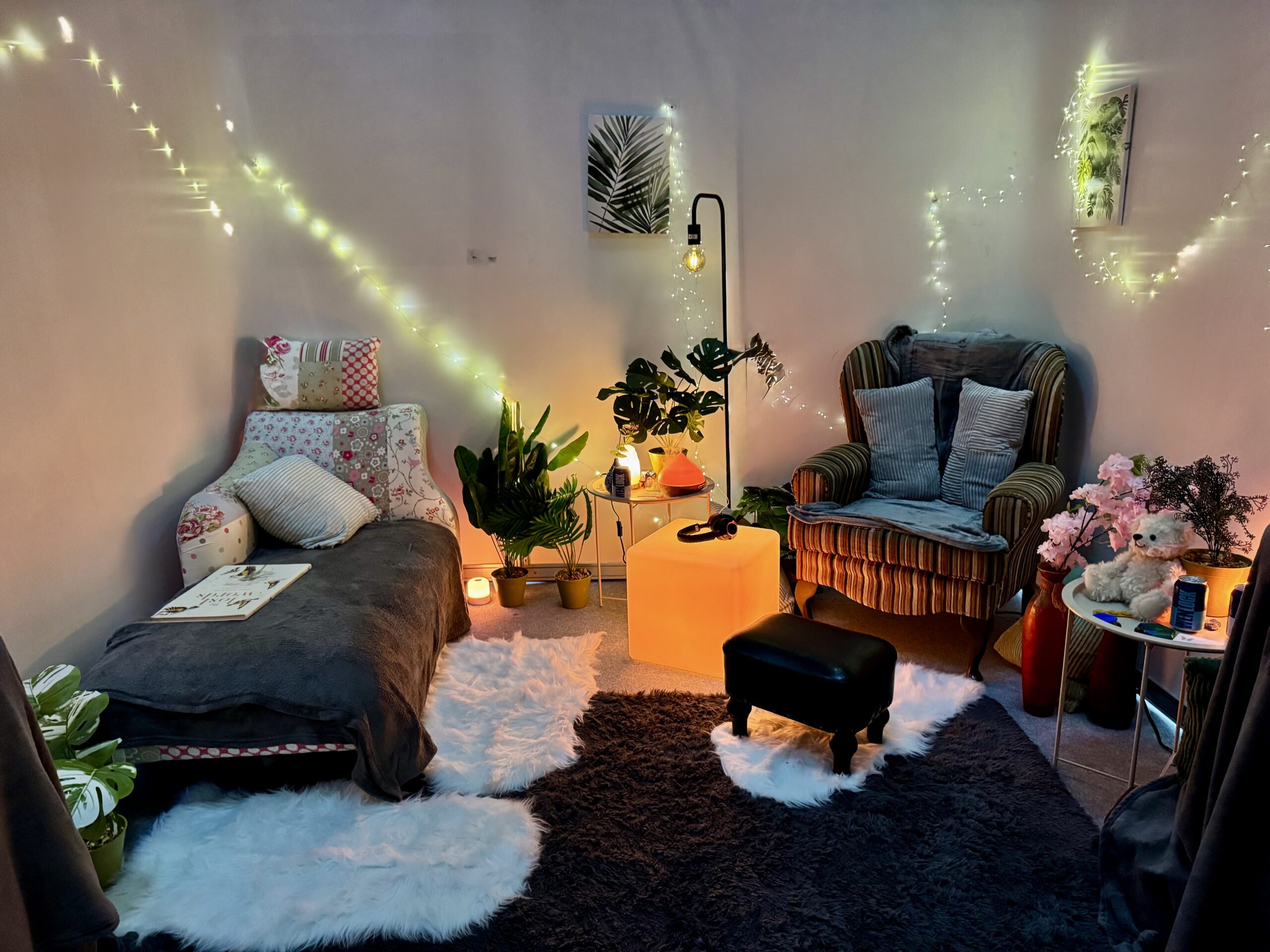
A calm space of their own: separate from visitors-facing quiet rooms, but built on the same principle
Genuine rest spaces: not a supply cupboard with a chair, but a real space to sit, decompress, and recover
Reliable access to food and hydration: throughout the shift, not just at designated meal breaks
Reasonable shift lengths and task rotation: reducing the physical and cognitive load of repetitive, high-pressure work
Genuine recognition: a cared-for crew delivers a better event, and knowing that matters to morale.
Calm Nest Collective’s Approach
At Calm Nest Collective, we believe inclusive event design is incomplete if it stops at the edge of the stage. Our Calm Nest Spaces extend to green rooms, crew rest areas, and staff break zones — because the people running your event deserve the same consideration as the people attending it.
Because the truth is simple: happier crews build better events. And every nervous system, on stage or backstage, needs room to recover.
Let’s design wellbeing into your whole event, not just the parts your audience sees. [Talk to us →]
