
We tend to talk about sensory sensitivity as a vulnerability to manage. Recent research suggests it might also be closely linked to some of the most valuable human capacities we have.
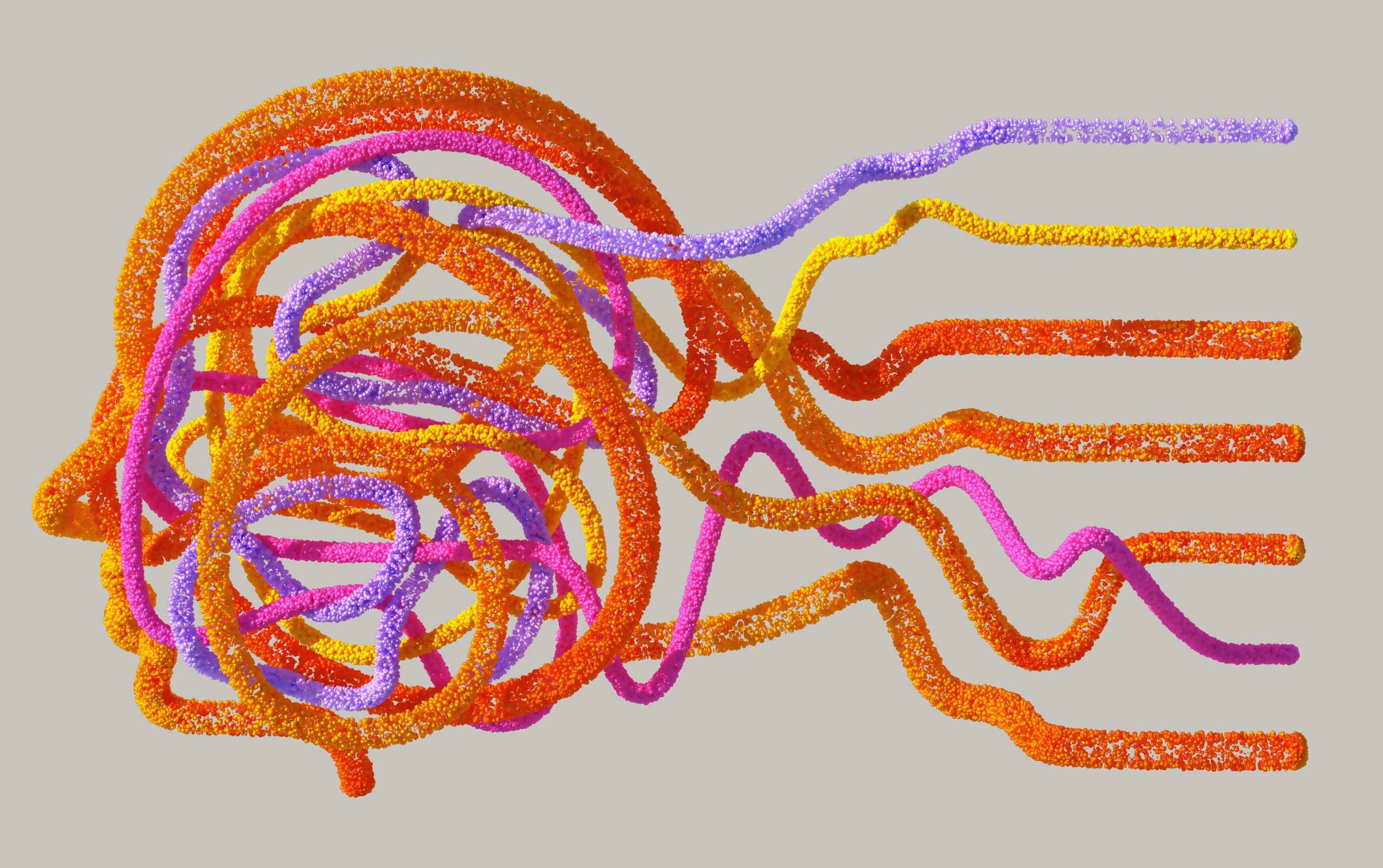
What the Research Found
A 2024 study published in Frontiers in Psychology examined the relationship between sensory processing sensitivity, creativity, and empathy in adults. The findings were striking: individuals with higher sensory processing sensitivity consistently scored higher on measures of both creative thinking and empathic responding compared to those with lower sensitivity.
This isn’t a coincidental correlation. The same depth of processing that makes bright lighting or loud environments more taxing for highly sensitive individuals appears to be the same mechanism that allows for richer emotional attunement and more original creative connections. Processing information more deeply cuts both ways, it produces both heightened vulnerability to overstimulation and heightened capacity for insight and connection.
Why This Matters for How We Talk About Sensitivity
Framing sensory sensitivity purely as a limitation misses half the picture. The research consistently shows that highly sensitive individuals bring genuine strengths to creative problem-solving, emotional intelligence, and interpersonal understanding, qualities that are increasingly recognised as valuable in workplaces and event environments built around collaboration and innovation.
This reframing matters practically, too. Organisations that treat sensory accommodations purely as a cost of inclusion are missing the opportunity cost of not supporting these individuals well, the innovation, empathy, and insight that gets lost when highly sensitive people are consistently pushed toward burnout by unsupportive environments.
Designing to Unlock the Strength, Not Just Manage the Sensitivity
The practical implication is significant. A quiet room isn’t just accommodating a vulnerability, it’s protecting the conditions under which some of your most creative and empathic team members or attendees can actually function at their best. Remove the overstimulation, and you don’t just prevent burnout. You unlock output.
At Calm Nest Collective, we design environments with this dual reality in mind ,reducing overstimulation not as damage control, but as a genuine investment in the creativity and insight that sensitive processing makes possible.
Design for strength, not just accommodation. [Talk to Calm Nest Collective →]
