
Category: Events
-
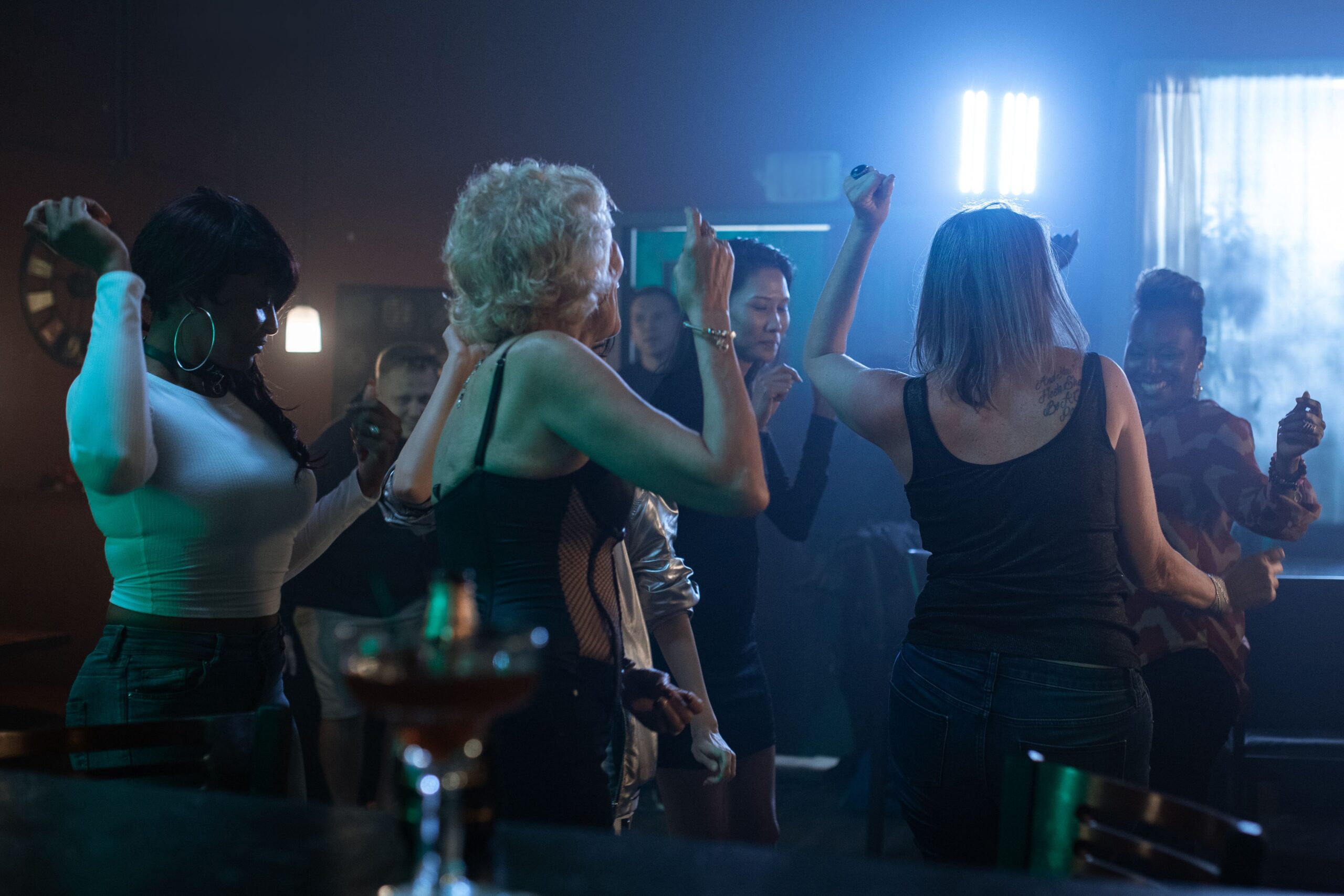
Why Midlife Women Are Rediscovering the Dance Floor
A wave of women in their 40s, 50s, and 60s are heading back to raves and club nights and research shows it’s not nostalgia driving them. It’s genuine, measurable mental health benefit. The Study Behind the Trend Published in Psychology of Music, research from the University of Leeds surveyed 136 women aged 40 to 65…
-

Why Being Outside Works Even When You Don’t Expect It To
Most people intuitively know that time outside feels good. Fewer understand the specific psychological mechanisms at play, including why “being outside” functions as a genuinely distinct wellbeing mechanism from simply “being in nature.” More Than Just Nature Exposure While relationship with nature and being outside are related, research treats them as genuinely distinct mechanisms. Being…
-
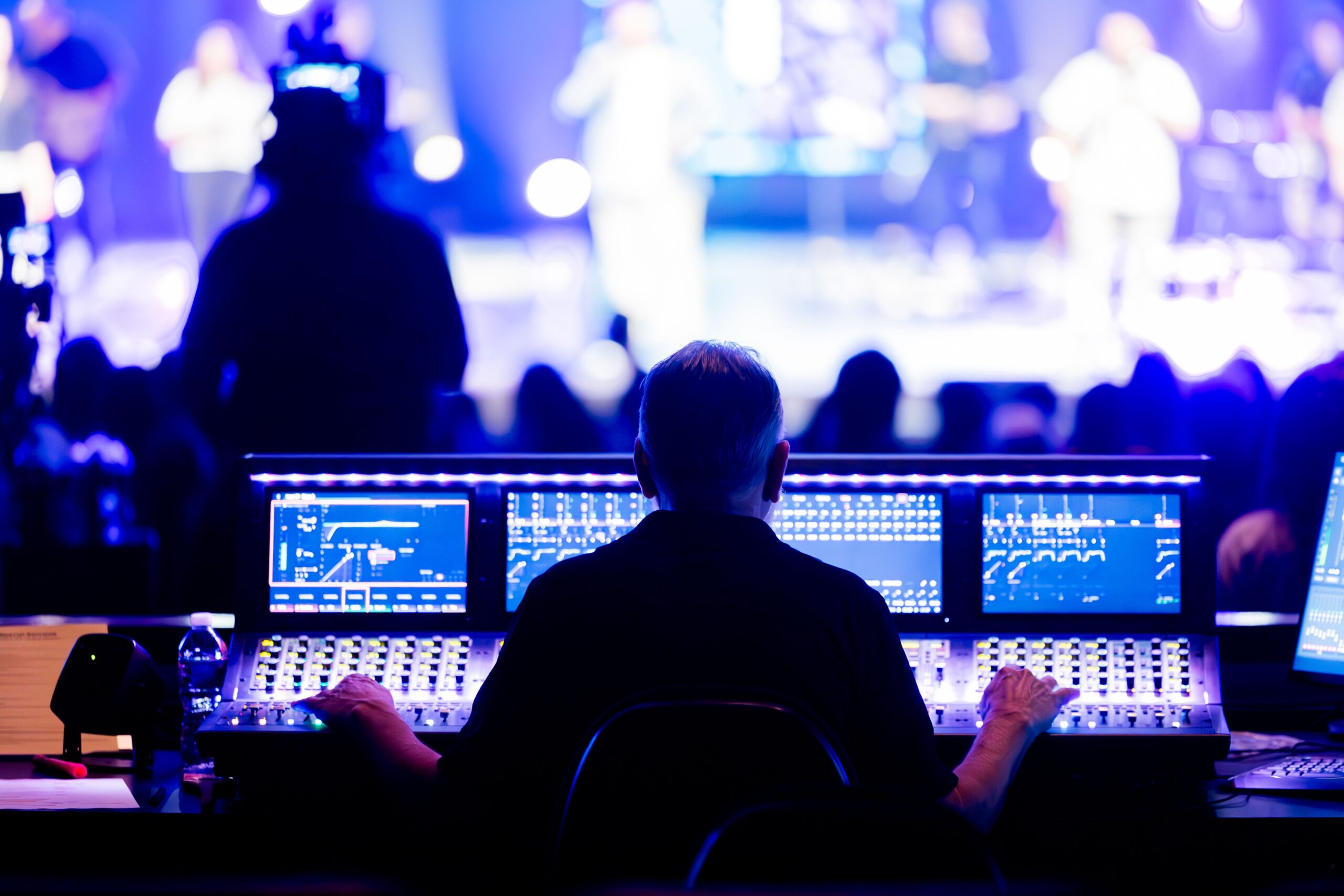
The Post-Intensity Crash: Why Coming Down Is Its Own Challenge
We plan carefully for peak moments, the big launch, the major tour, the demanding event week. We plan far less carefully for what happens immediately after. That gap has a real psychological cost. The Sudden Shift Nobody Prepares For After the intensity of a major push, a tour, a release, a demanding project, it’s common…
-

Grounding Techniques That Actually Work (Backed by Practice, Not Just Theory)
Grounding is one of the most commonly recommended anxiety tools and one of the most inconsistently explained. Here’s a genuinely practical breakdown of techniques that work, and why. Sensory Bags Creating a small bag of objects tied to different senses, something to taste, feel, smell, hear, and see, ideally with positive personal associations, provides an…
-

What the Music Industry Can Teach Every Workplace About Burnout
No industry runs quite like music, constant travel, blurred boundaries between work and identity, and the expectation to perform at your best regardless of what’s happening internally. But the lessons it’s learning about burnout apply well beyond the stage. The Pressure to Keep It Together Despite growing awareness, mental health remains surrounded by stigma across…
-
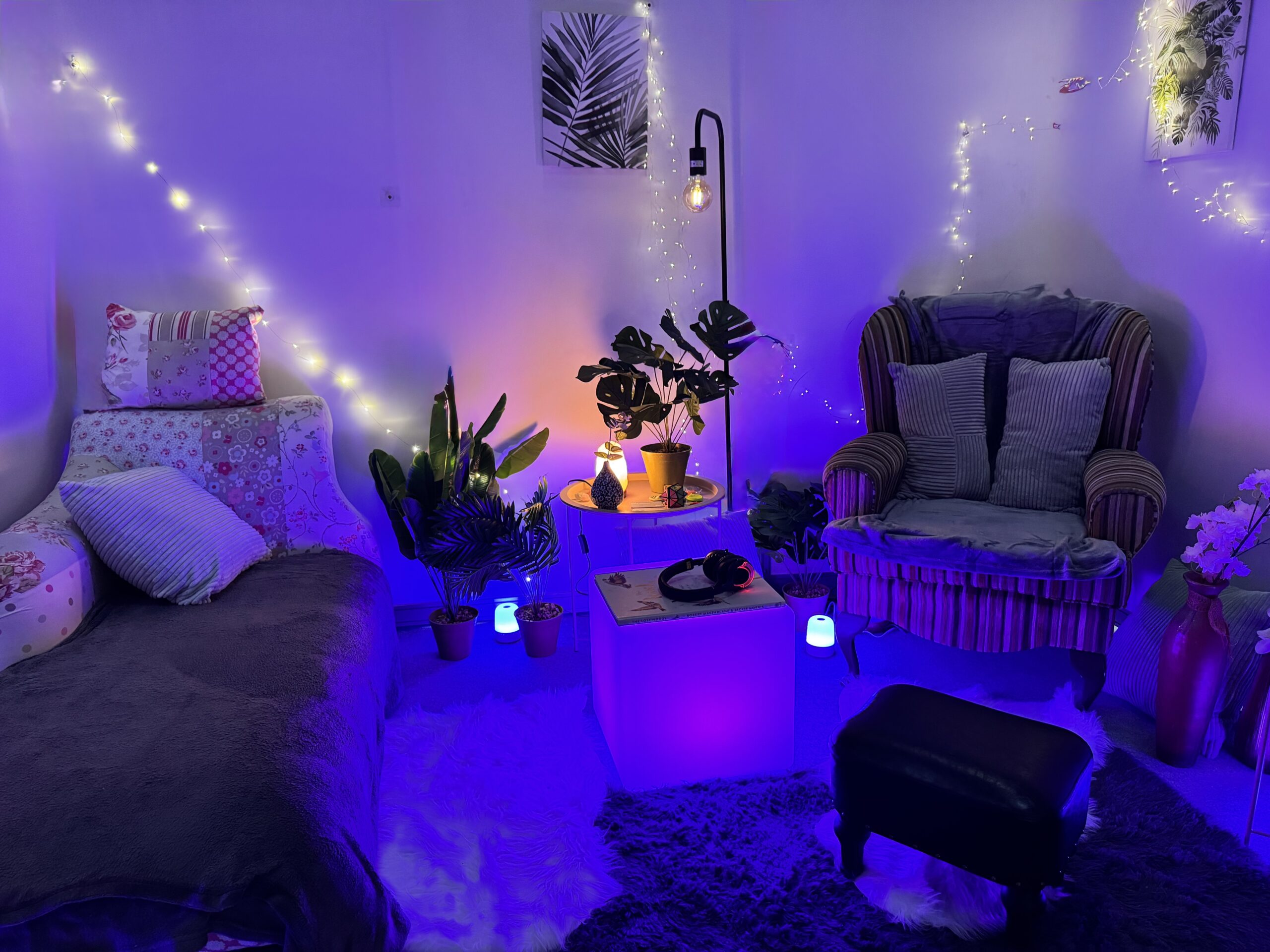
The Sensory Break Room: What It Needs to Actually Work
A “quiet room” sign on a door doesn’t automatically create a functional sensory-friendly space. The details determine whether it genuinely helps anyone. Beyond the Basic Quiet Room Many events now include some version of a quiet space, which represents real progress. But a genuinely effective sensory-friendly break area requires more thought than simply designating an…
-

Small Talk, Big Impact: Redesigning Networking for Neurodivergent Attendees
Networking breaks are meant to be the easiest part of any event. For a significant number of attendees, they’re the hardest. Why Traditional Networking Fails So Many People Unstructured social mingling asks attendees to navigate an enormous amount of unwritten social information simultaneously, who to approach, how to enter a conversation, when it’s appropriate to…
-

Burnout Has a Body: The Physical Signs We Keep Ignoring
We talk about burnout as a mental state. But burnout announces itself in the body first, often long before we’re willing to admit it in our minds. The Physical Signature of Burnout Burnout is not simply feeling tired. It has a measurable physical profile that shows up consistently: Why the Body Speaks First Chronic stress…
-
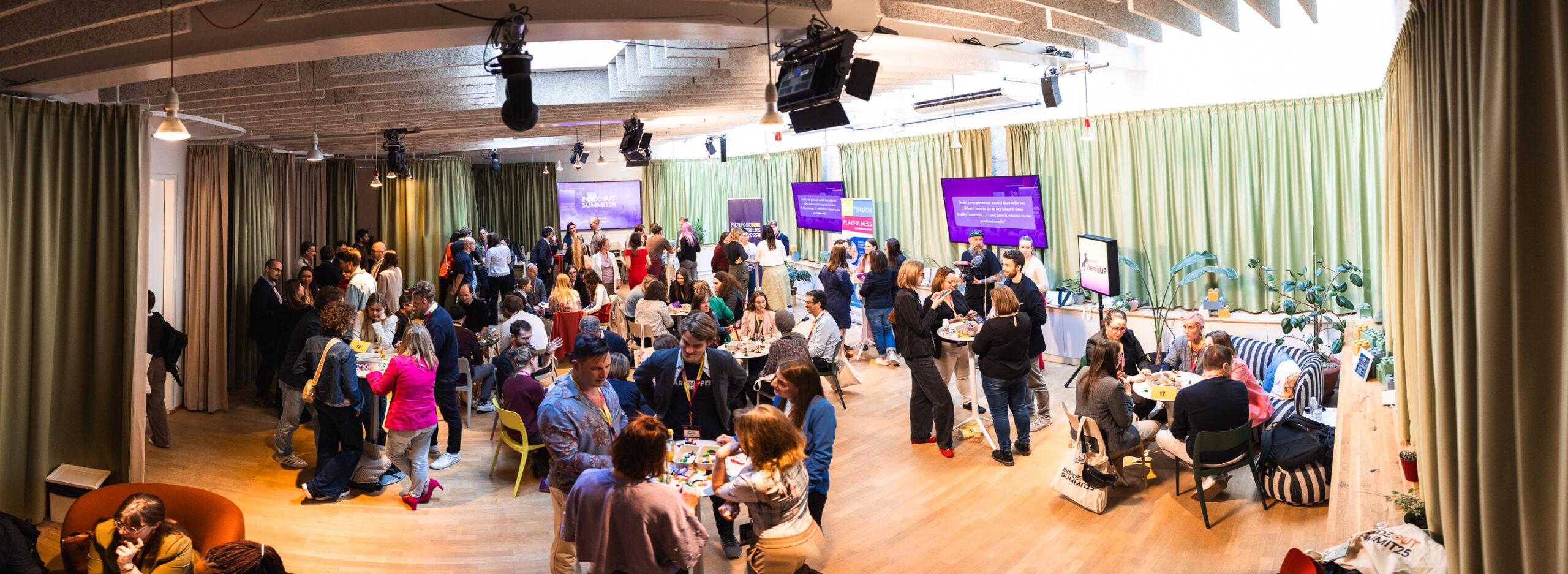
The Neuroinclusive Event Checklist Every Planner Needs
Most event checklists cover logistics, catering, AV, signage. Very few cover the sensory and cognitive experience of the people actually attending. Here’s what a genuinely neuroinclusive checklist looks like. Planning Stage Long before doors open, the foundation for an inclusive event is laid in the planning details most organisers overlook. Booking Keynote Speakers Speaker logistics…
-

Overstimulation in Daily Life : What a Landmark 2025 Study Revealed
Most research on sensory overload focuses on extreme or unusual environments. A major 2025 study took a different approach, tracking overstimulation as it actually happens, in ordinary daily life. The Study Published in Scientific Reports, this research used an experience sampling method, prompting participants to report their sensory experience at multiple points throughout their normal…