

Why Access Riders Belong in Every Inclusive Workplace
Access riders are one of the simplest ways to make support visible, consistent, and easy to action, yet most workplaces still treat them[…]
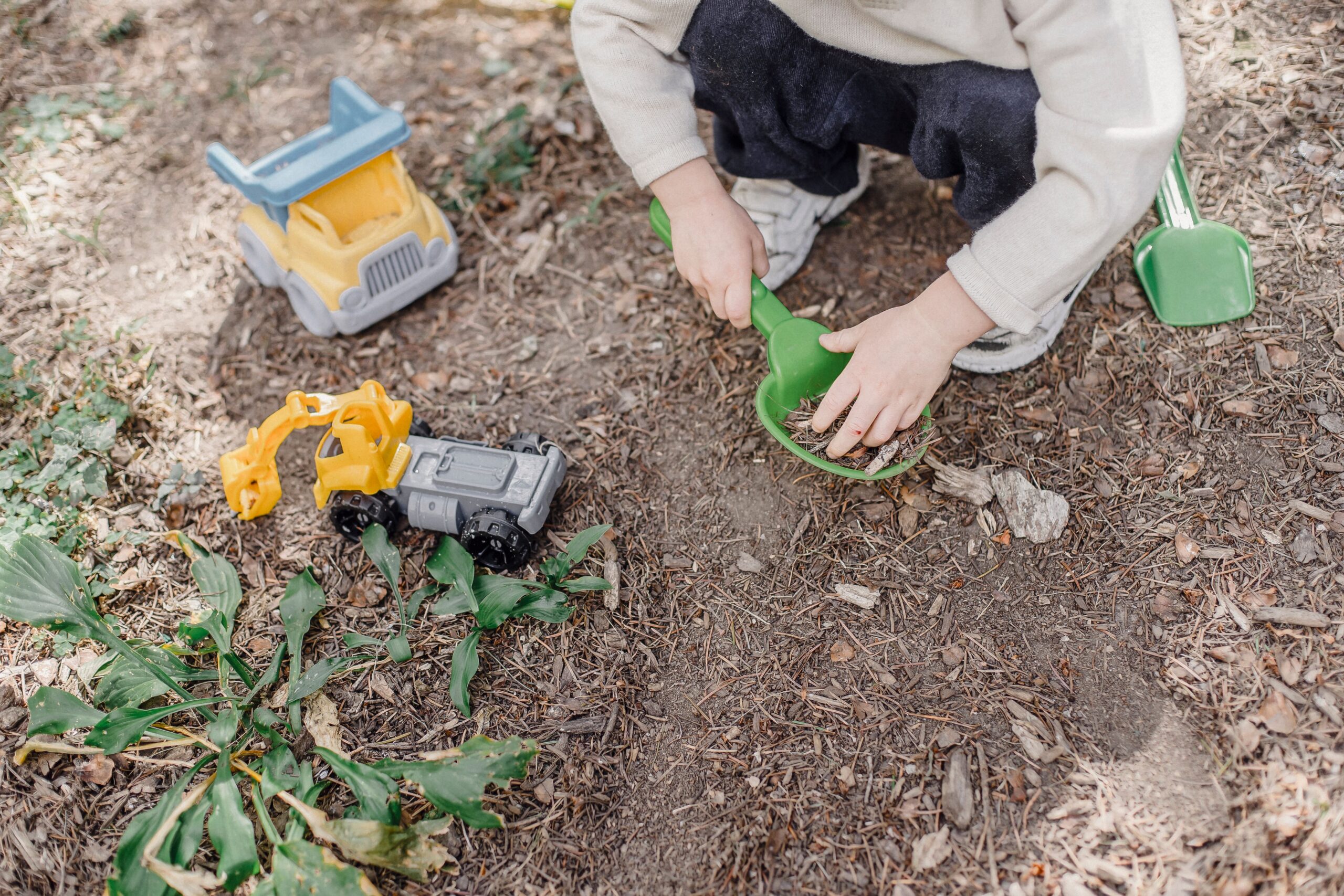
The Dirt That Builds Stronger Immune Systems in Children
A Finnish study found that simply changing what children play on, from gravel to forest floor, measurably strengthened their immune systems within a[…]

Why Midlife Women Are Rediscovering the Dance Floor
A wave of women in their 40s, 50s, and 60s are heading back to raves and club nights and research shows it’s not[…]

Caring for Something Else: The Overlooked Mental Health Mechanism
We often think of mental health support as something done for us. Research on caring, for plants, animals, or gardens, suggests one of[…]

Why Being Outside Works Even When You Don’t Expect It To
Most people intuitively know that time outside feels good. Fewer understand the specific psychological mechanisms at play, including why “being outside” functions as[…]

The Post-Intensity Crash: Why Coming Down Is Its Own Challenge
We plan carefully for peak moments, the big launch, the major tour, the demanding event week. We plan far less carefully for what[…]

Grounding Techniques That Actually Work (Backed by Practice, Not Just Theory)
Grounding is one of the most commonly recommended anxiety tools and one of the most inconsistently explained. Here’s a genuinely practical breakdown of[…]

Supporting Anxious Children: What the Research Gets Right
Children absorb the emotional atmosphere around them far more than we often credit. Understanding how to support them through anxiety and stress offers[…]

Nature on Prescription: The Science Behind Why Green Space Heals
“Go for a walk” is common advice for stress. What’s less commonly understood is the substantial, evidence-based science explaining exactly why that advice[…]

The EGO Technique: A Simple Tool for Panic in the Moment
Panic attacks are one of the most frightening experiences a person can have and one of the most manageable, once you know what’s[…]

Planet. People. Purpose.
Calm Nest Collective LTD
71-75 Shelton Street, Covent Garden, WC2H 9JQ, London, United Kingdom
© 2026 Calm Nest Collective® I Privacy Policy I Terms and Conditions I Accessibility Statement