
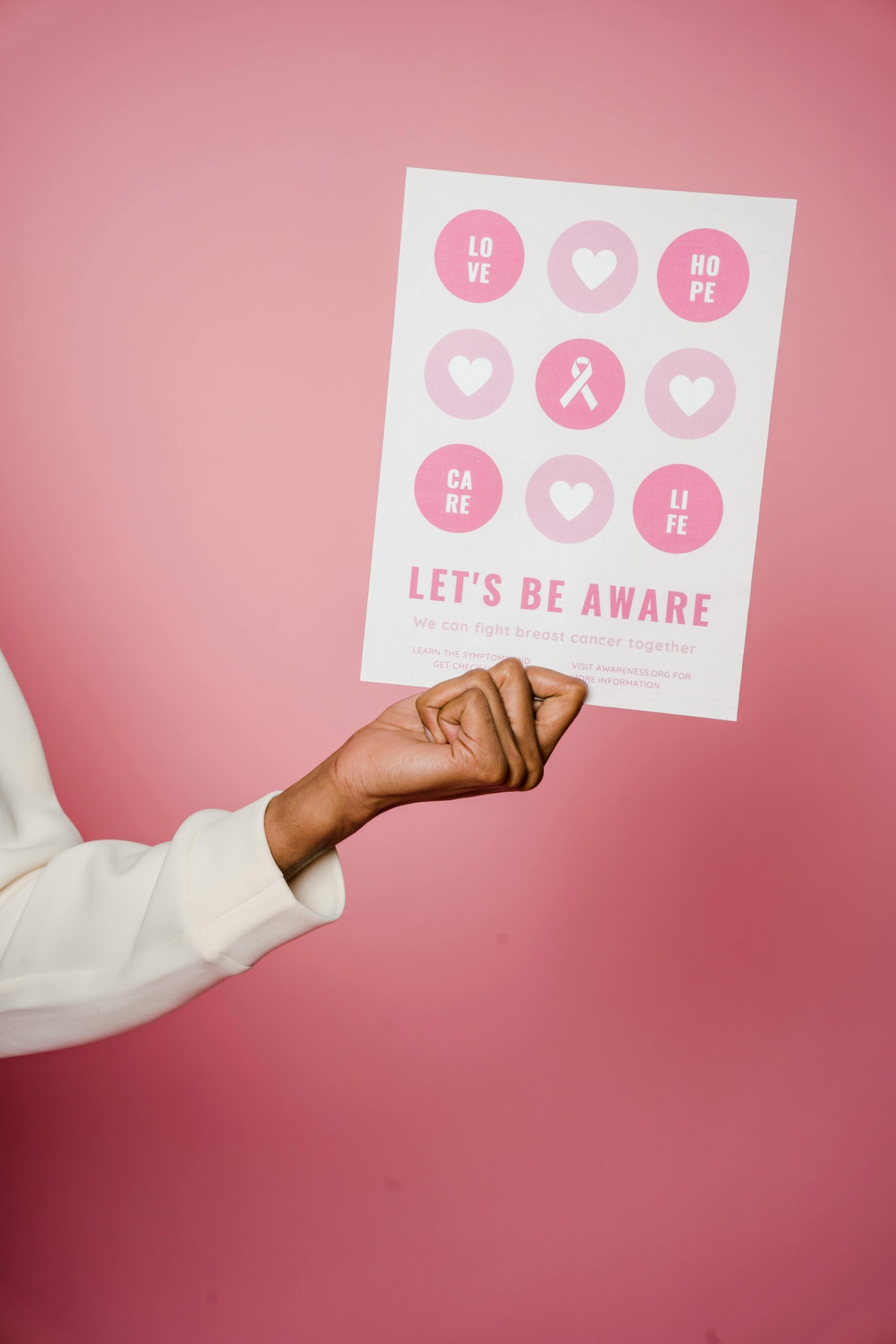
How to Write Inclusive Event Communications (A Practical Guide)
Your event communications are the first experience your attendees have. If they are not accessible, many people will not attend at all. The[…]
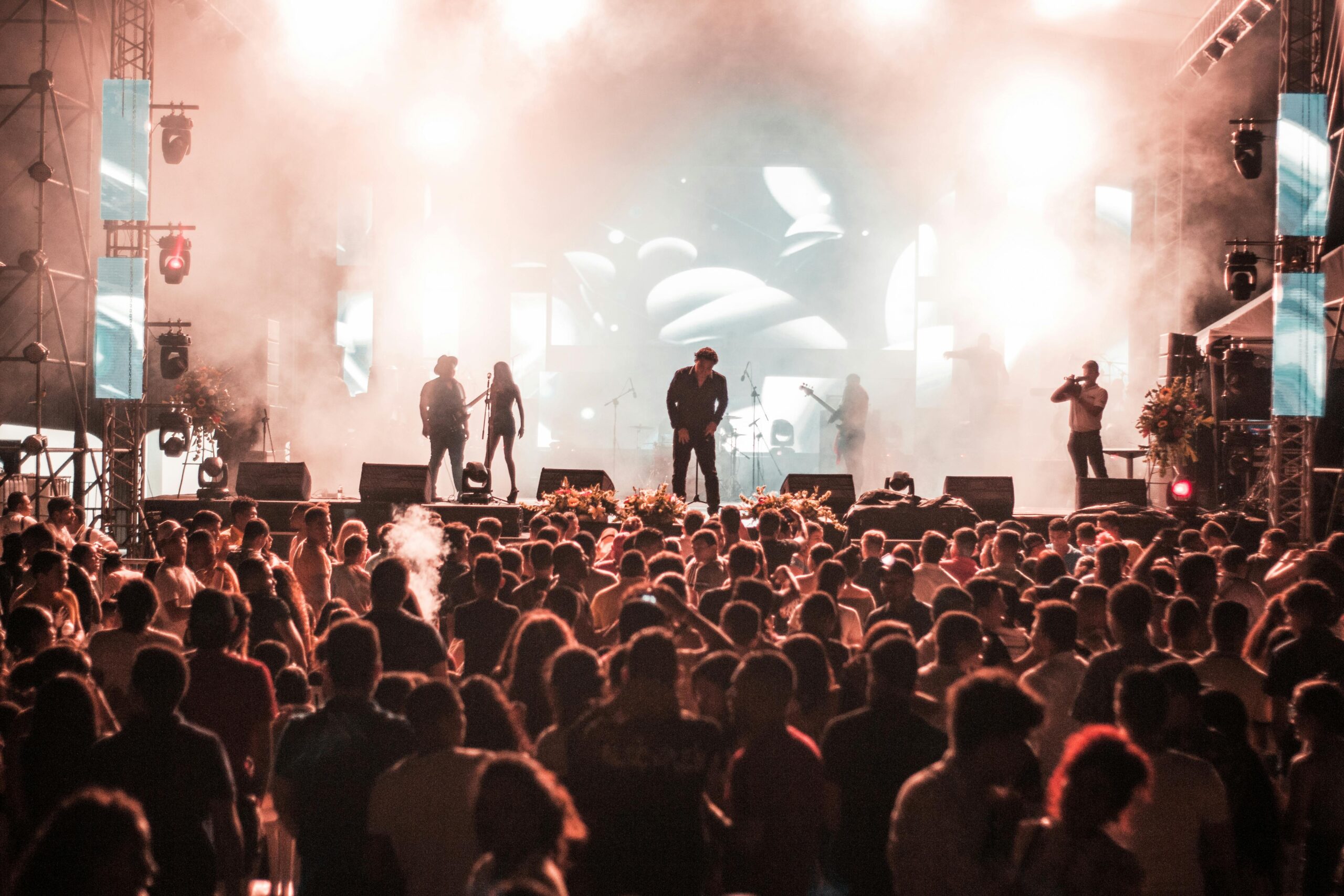
Why Your Event Schedule Is an Inclusion Issue
Most event organisers think about inclusion in terms of physical access and facilities. Far fewer think about the schedule. The way you structure[…]

The Role of Nature in Reducing Stress And How to Bring It Indoors
Nature has always been humanity’s most reliable reset. Long before the science existed to explain it, people understood instinctively that stepping outside, walking[…]

Inclusive Catering – The Detail That Signals Everything
Nothing communicates inclusion more quickly than whether someone can actually eat at your event. Catering is one of the most overlooked dimensions of[…]
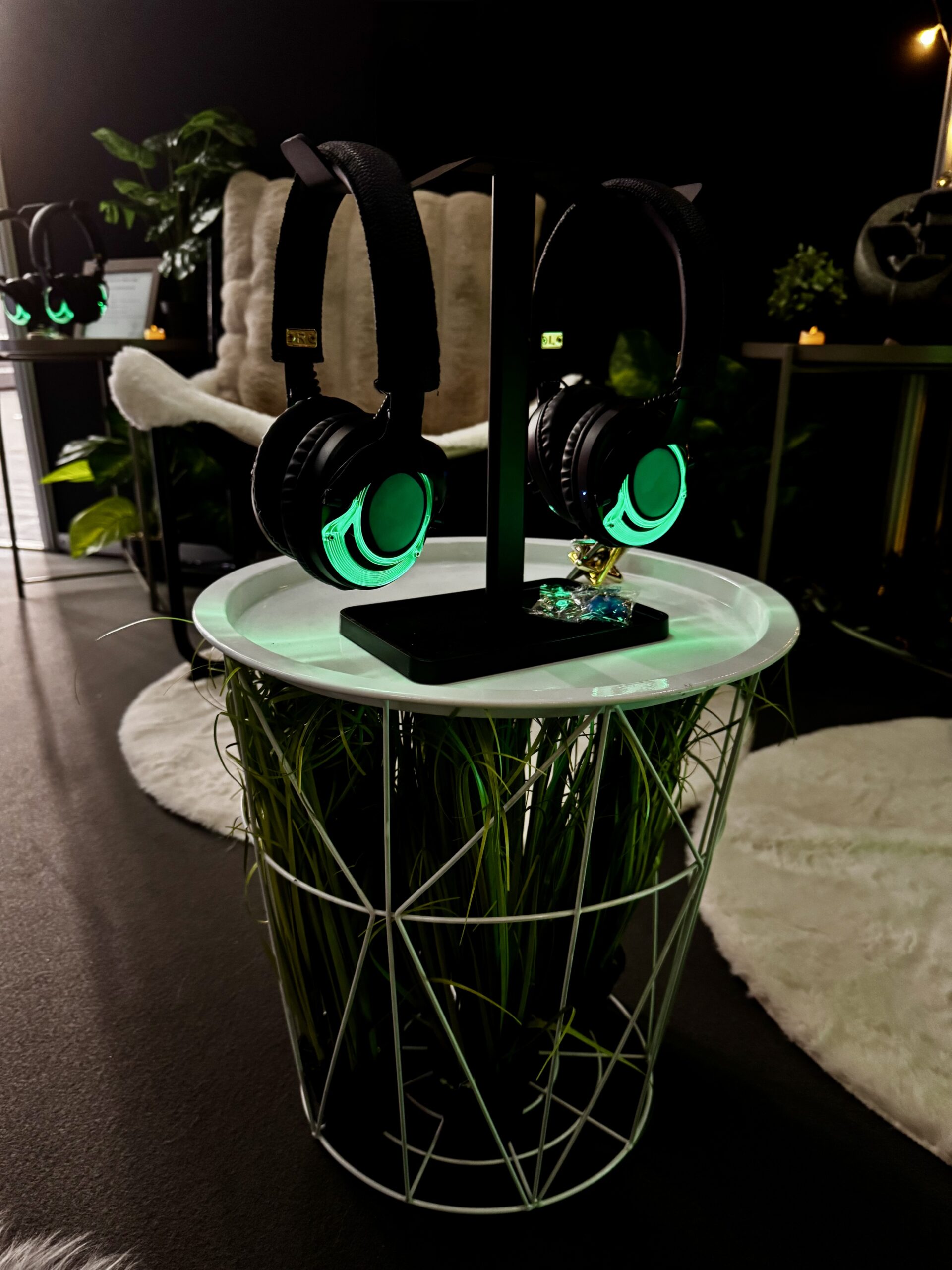
How Noise Affects Your Decision-Making (More Than You Think)
Noise is almost universally treated as a minor inconvenience, background texture, easily tuned out, barely worth mentioning. But sound doesn’t just fill our[…]

One Quiet Room. A Whole School Transformed.
Imagine a school where learning isn’t constantly interrupted by stress, overwhelm, or emotional dysregulation. Where children who are struggling aren’t sent out of[…]
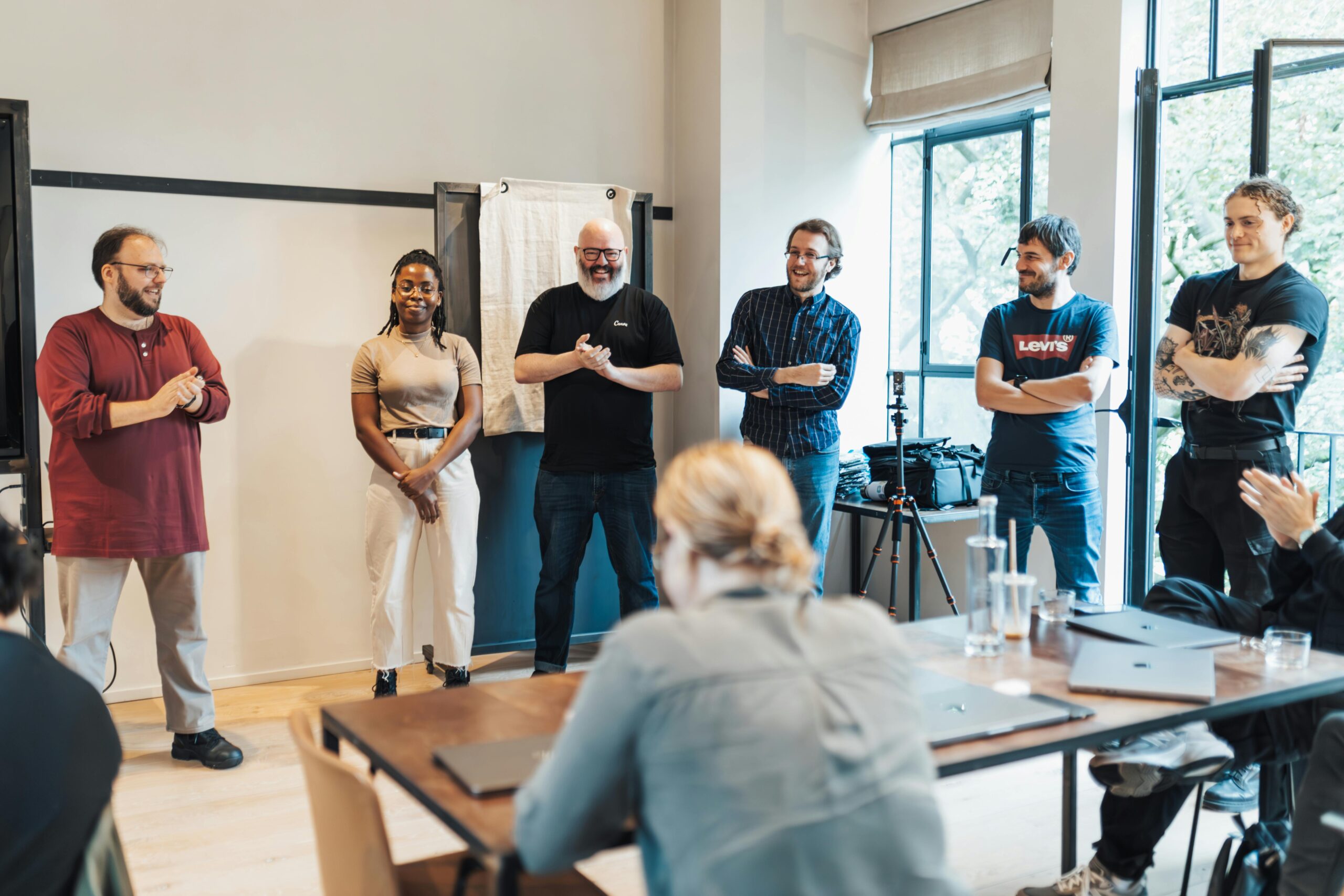
The Staff Briefing That Changes Everything
You can design the most inclusive event in the world. Then one undertrained staff member can undo it in seconds. Inclusive event design[…]
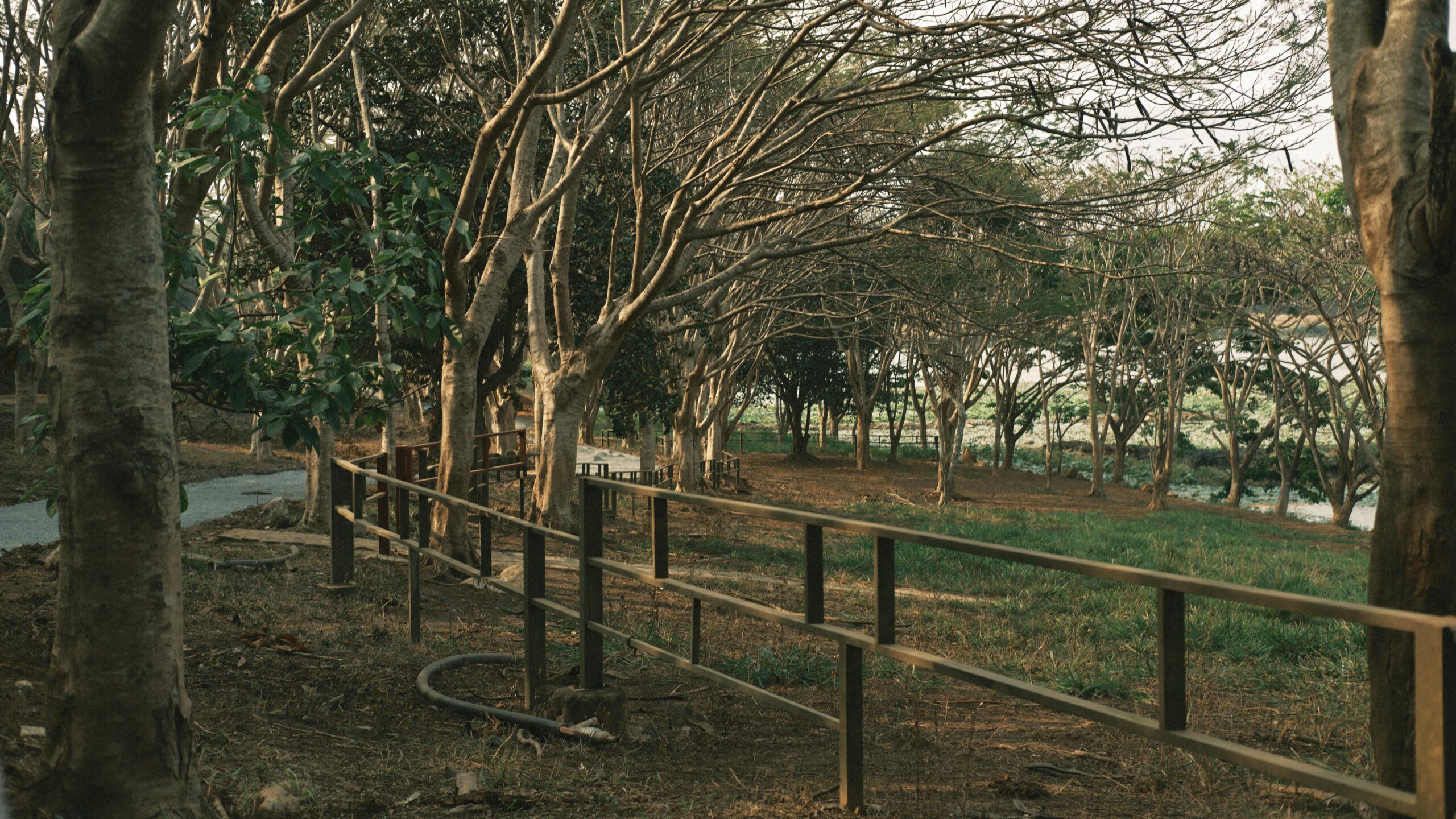
Public Spaces Are Lifelines for Mental Health. So Why Do We Remove Them When Stress Peaks?
Research on this is remarkably consistent: access to green, restorative environments has profound psychological benefits. People living near parks experience significantly lower rates[…]

Universities Are Built for Achievement. But Are They Built for Students?
University life carries a powerful narrative: exploration, growth, transformation. And for many students, that’s real. But so is this, long hours in overstimulating[…]

Silence Isn’t Empty. It’s Full of Restoration.
We tend to think of silence as an absence, a gap between sounds, a pause before something more important begins. But the science[…]

Planet. People. Purpose.
© 2026 Calm Nest Collective®IPrivacy Policy I Terms and Conditions I Accessibility Statement