
Everything we know about inclusive event design applies directly to the workplace. For most people, the workplace is the event they attend every single day.
Open-plan offices are conference floors without end dates. Meeting rooms are breakout sessions back to back. The sensory environment of a workplace, its lighting, its noise levels, its design, shapes how people think, feel, and perform every hour of every working day.
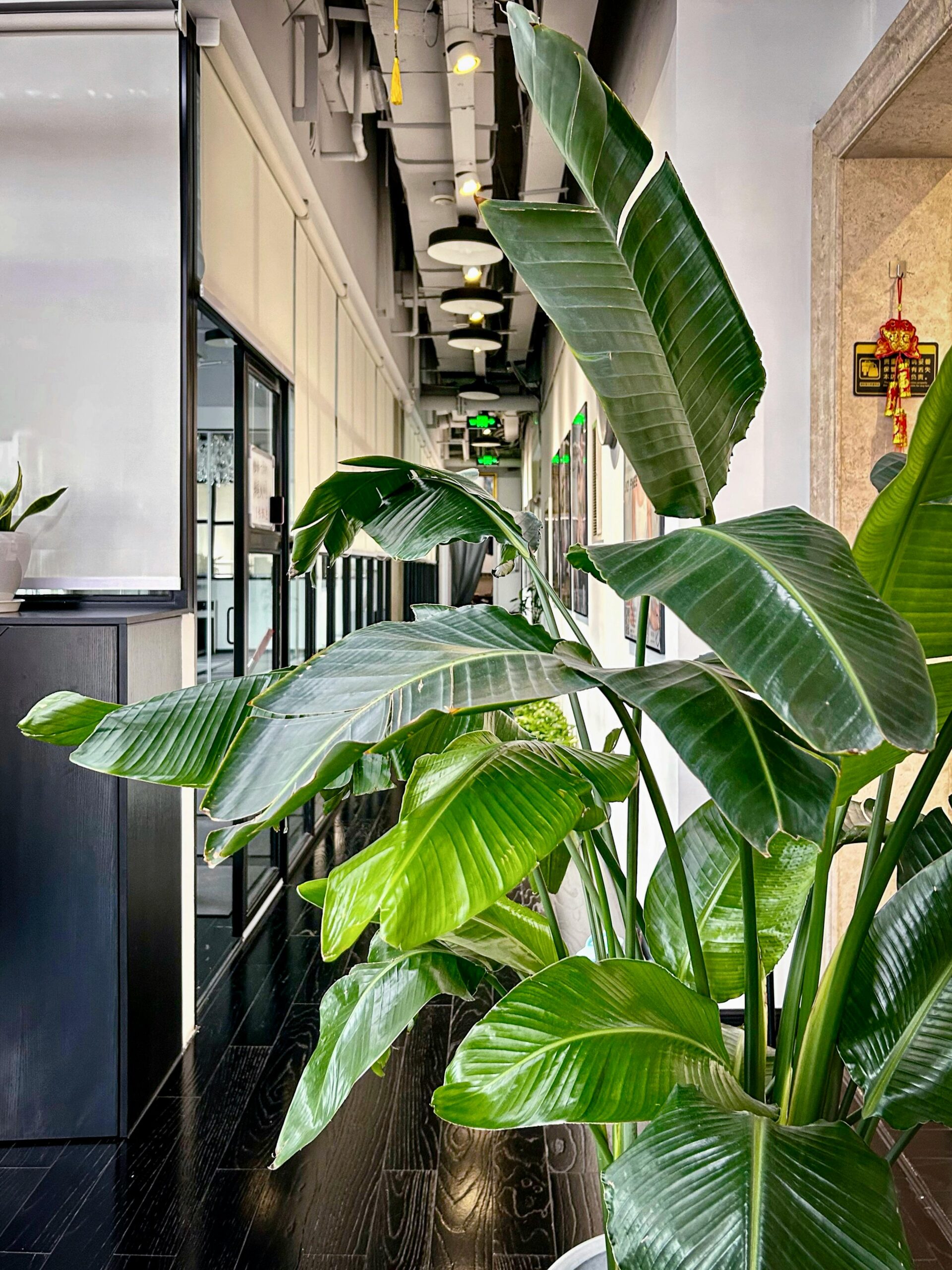
The Open Office Problem
Open-plan offices were designed to encourage collaboration. The evidence suggests they often achieve the opposite. Research has found that open offices can reduce meaningful interaction, with people retreating into headphones and screens to manage the sensory load.
For neurodivergent employees, the impact is more acute. Fluorescent lighting, unpredictable noise, visual clutter, and constant background activity make sustained concentration genuinely difficult. Many neurodivergent employees describe open offices as environments they have to survive, not thrive in.
The solution is not to remove collaboration. It is to design variety, spaces for connection and spaces for focus and recovery.
What Neuroinclusive Workplace Design Looks Like
The changes that make workplaces more neuroinclusive mirror the changes that make event spaces more accessible:
- Calm Nest Spaces®, quiet rooms or focus pods where noise is managed and lighting is calm
- Adjustable lighting throughout the office, not just in meeting rooms
- Sensory grounding tools normalised on desks and in shared spaces
- Clear, uncluttered wayfinding and space layout
- Genuine break spaces designed for restoration, not working lunches.
These are not specialist provisions for a small group. They are design improvements that benefit every person in the building.
The Legal and Commercial Case
The Equality Act 2010 places a legal duty on employers to make reasonable adjustments for disabled employees. Neurodivergence constitutes a disability under the Act when it has a substantial and long-term effect on day-to-day activities.
Beyond the legal baseline, the commercial case is compelling. Neurodivergent employees bring significant strengths, creativity, pattern recognition, hyper-focus, and divergent thinking. These strengths are amplified in environments designed to support them and suppressed in environments that aren’t.
Designing inclusively is not a charitable act. It is an investment in the performance of your whole team.
At Calm Nest Collective, we bring the same design principles we apply to events into workplace environments. Our Calm Nest Spaces® for offices include dedicated quiet sensory rooms, and focus zones, designed around the science of nervous system regulation.
Let’s design a workplace that works for every brain. [Talk to us →]
