
Nothing communicates inclusion more quickly than whether someone can actually eat at your event.
Catering is one of the most overlooked dimensions of inclusive event design. It affects neurodivergent attendees, people with disabilities, those with severe allergies, and people with religious dietary requirements. When it goes wrong, it sends a clear and deflating message.
The Sensory Dimension of Food
For neurodivergent attendees, food is not just about nutrition. It is a sensory experience. Strong cooking smells from live stations can cause real distress for people with heightened olfactory sensitivity. The noise and crowd density around a busy catering area can make accessing food genuinely overwhelming.
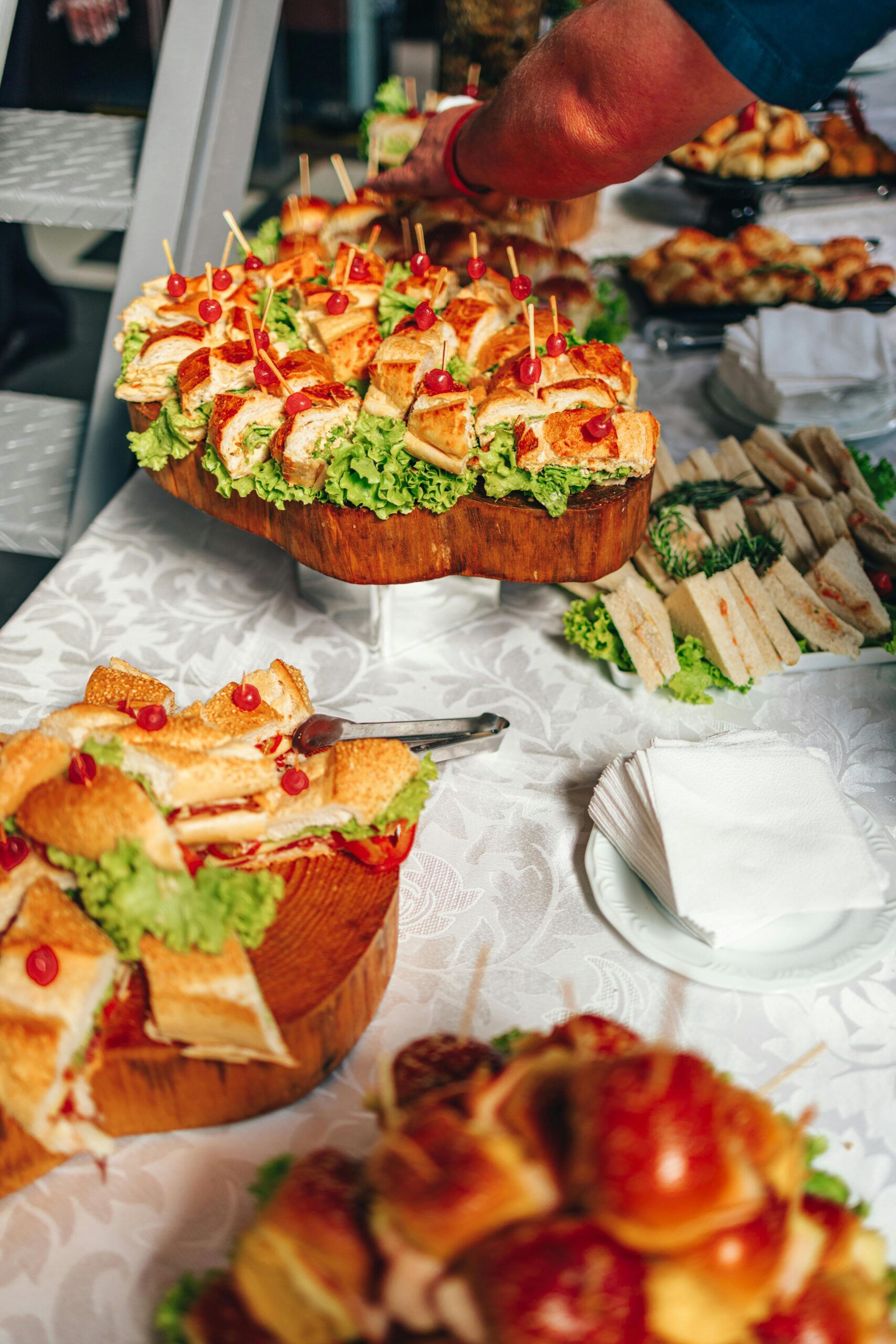
Separate hot and aromatic food stations from simple, cold food stations. Always provide plain, clean foods, fruit, vegetables, bread, as a safe option for attendees with sensory sensitivities or restricted diets. Communicate this separation clearly on your event map.
Physical Accessibility at Catering Stations
Ensure food tables sit at wheelchair height. Ensure staff serve from the front or are available to assist anyone who cannot serve themselves. Provide straws for beverages. These are simple adjustments with significant impact.
For banqueting, conduct a full sweep of place cards against the attendee list with your service team. Make sure every server knows exactly which meal belongs to which person. A special dietary meal going to the wrong guest is one of the most commonly reported inclusion failures at events.
Label Everything
Every menu item must be clearly labelled for allergens and dietary requirements. Share the menu in advance so attendees can flag needs before they arrive. This is especially important for people with coeliac disease, severe allergies, or religious dietary restrictions.
Neurodivergence is associated with significantly higher rates of food allergies and gastrointestinal conditions. Clear labelling is not just a courtesy, for some attendees, it is a safety issue.
All-Day Access to Food and Drink
Provide access to food and water throughout the day not just at designated breaks. All-day grazing stations support attendees with conditions that affect blood sugar regulation, medication schedules, or energy management. This is a low-cost provision that removes a real barrier.
At Calm Nest Collective, we include catering design in our inclusive event audits, because inclusion must extend to every part of the attendee experience, including what they eat.
