
Noise is almost universally treated as a minor inconvenience, background texture, easily tuned out, barely worth mentioning.
But sound doesn’t just fill our ears. It actively shapes the way we think, the decisions we make, and the quality of the work we produce. And the gap between what we assume noise costs us and what it actually costs us is significant.
The Cognitive Load of Background Noise
Every sound in our environment places a demand on the brain’s processing resources. When we’re in a crowded conference hall, a busy open-plan office, or a packed event venue, our brains are not simply ignoring the background noise. They are actively and continuously filtering it, distinguishing signal from irrelevance, monitoring for threats, managing competing inputs.
This filtering process consumes cognitive resources. And those resources are finite. Every unit of mental energy spent managing background noise is a unit unavailable for the task, conversation, or decision in front of you.
Research published in the Journal of Applied Psychology found that noise in work environments significantly reduces performance on complex cognitive tasks, increases error rates, and elevates psychological stress, even when individuals report feeling able to concentrate. The impairment is happening whether people are consciously aware of it or not.
The Link Between Noise and Impulsive Decisions
The implications for decision-making are particularly striking. A study from the University of Chicago found that moderate levels of ambient noise, the kind you’d encounter in a typical busy café or open office, impair abstract thinking and analytical processing, pushing decision-making toward more impulsive, less deliberate choices.
In high-stakes environments, leadership meetings, client negotiations, strategic planning sessions, complex event logistics, this matters enormously. The decisions made in noisy environments are measurably less considered than those made in calmer ones. And in a world where the quality of decisions drives organisational outcomes, that’s not a trivial finding.
For neurodivergent individuals, the effect is amplified further. Those with ADHD, auditory processing differences, or heightened sensory sensitivity face a disproportionately higher cognitive load in noisy environments, one that can make complex decision-making not just difficult, but functionally inaccessible.
The Measurable Value of Quiet
The inverse is equally well-documented. When noise levels reduce, cognitive performance improves, often significantly and quickly. The brain no longer needs to allocate resources to filtering; those resources become available for focus, analysis, creativity, and deliberate thought.
Studies on library environments, quiet offices, and designated calm spaces consistently show improvements in concentration, retention, creative problem-solving, and reported mental clarity. The benefit isn’t reserved for people with specific sensory needs. It’s available to every brain that’s been given the conditions to function without unnecessary interference.
Building Quieter Environments into High-Pressure Spaces
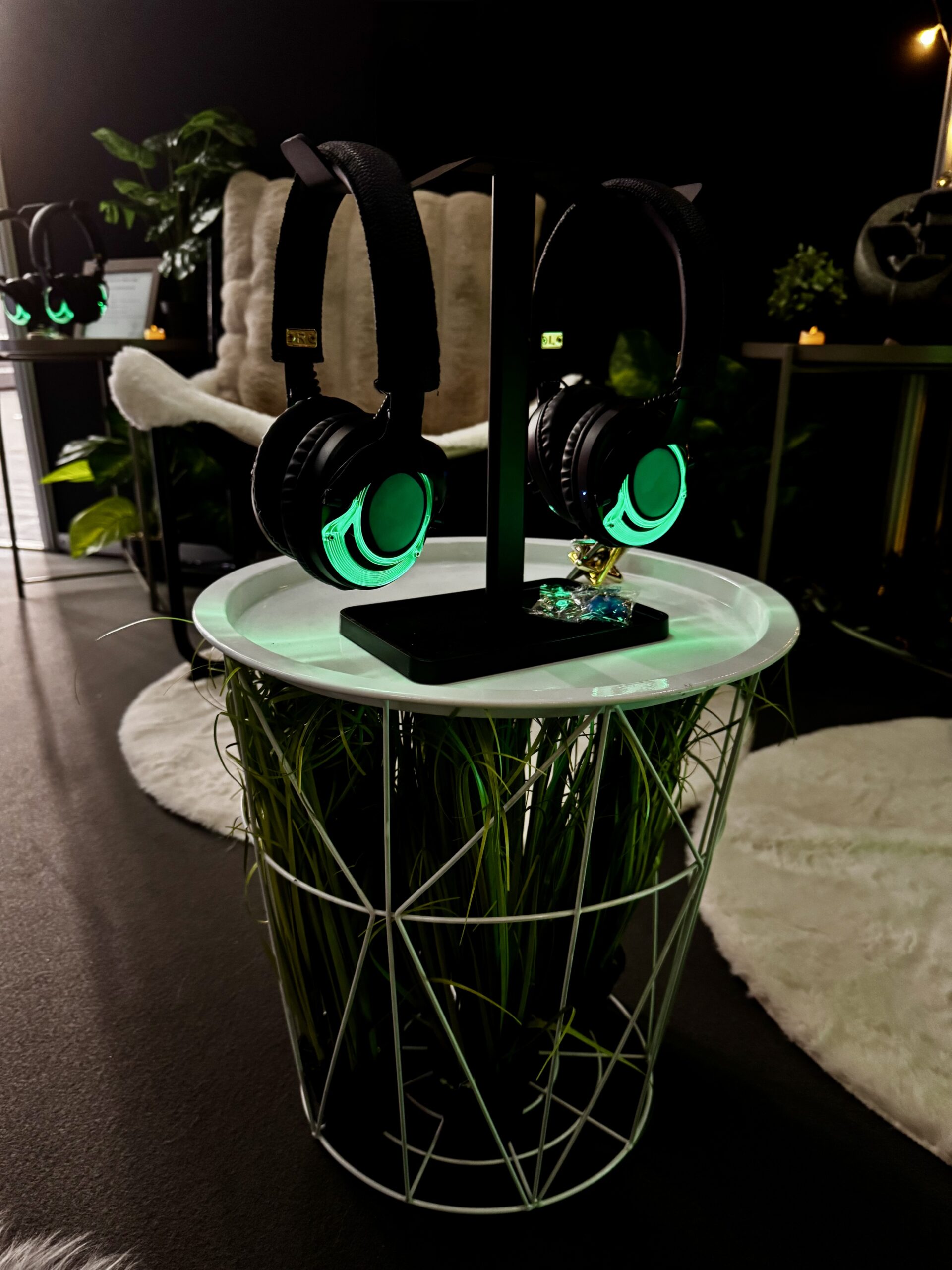
At Calm Nest Collective, we design spaces that give people access to the cognitive conditions they need to think clearly, decide well, and perform at their best. Our Calm Nest Spaces® are acoustically considered, sensory-friendly, and built specifically for the high-pressure environments, events, workplaces, conferences, universities, where the stakes of good decision-making are highest.
Because the quality of your team’s thinking is directly related to the quality of the environment they’re thinking in. And that’s an entirely solvable problem.
Give your team the conditions to think clearly. [Talk to Calm Nest Collective →]
