
Research on this is remarkably consistent: access to green, restorative environments has profound psychological benefits. People living near parks experience significantly lower rates of depression and anxiety. Even a short visit to a garden can improve mood, focus, and cognitive performance for hours afterward.
The spaces around us shape our emotional wellbeing as much as our personal choices do. We know this. And yet, in the very environments where stress peaks highest, we strip those lifelines away entirely.
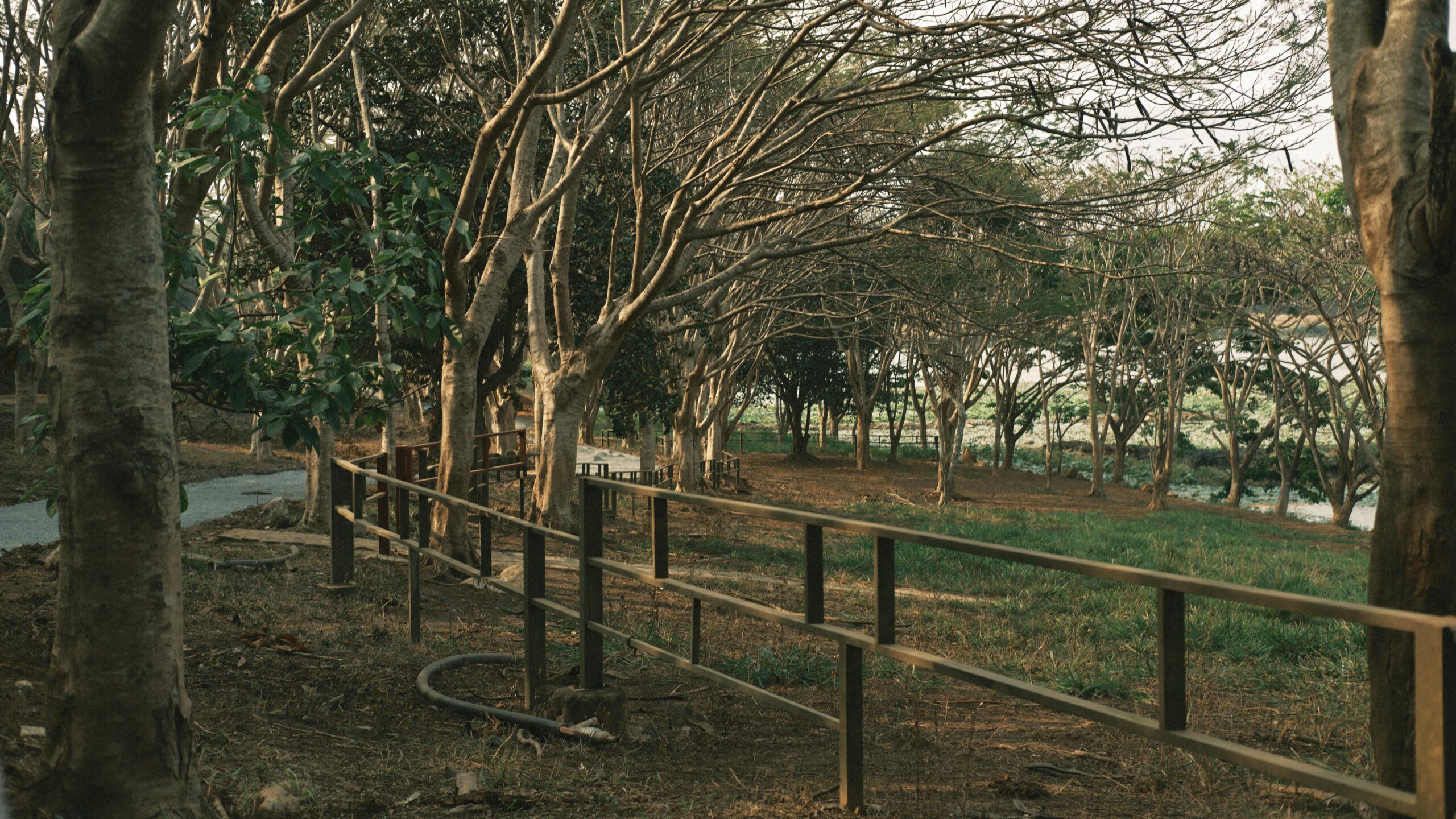
Where Restoration Disappears
In daily life, most of us have some access to parks, outdoor spaces, or at least a window with a view. But step into an airport, a conference centre, a trade show floor, or an open-plan office under deadline pressure, and those options vanish.
What replaces them is relentless stimulation:
- Bright, artificial lighting and constant ambient noise
- Crowded, high-pressure environments that demand sustained focus
- No meaningful opportunity to pause, step back, or recover
People push through because there’s no alternative. But pushing through has a cost, in energy, in clarity, in mental health, and ultimately in the quality of work and connection that environment was designed to produce.
The Unspoken Consequence
When built environments offer no restoration, people don’t just feel tired. Mental health suffers in measurable ways. And in high-stakes settings, workplaces, events, transport hubs, that impact extends to productivity, safety, and the ability of people to show up as their full selves.
The missing ingredient isn’t complicated. It’s simply a space designed to do what a park does: signal safety, reduce stimulation, and give the nervous system room to reset.
An Indoor Park for the Mind
At Calm Nest Collective, we bring the restorative function of public green spaces into the environments where stepping outside isn’t an option.
Our Calm Nest Spaces®, quiet sensory rooms, are designed to:
- Reduce overstimulation and actively support nervous system regulation
- Provide a safe, inclusive space for employees, event attendees, and travellers alike
- Bridge the gap between the demands of high-pressure environments and fundamental human needs
Think of them as an indoor park for the mind, a place where calm is always within reach, regardless of what’s happening on the other side of the door.
Why This Only Gets More Important
As cities densify, workplaces intensify, and events scale up, the role of restorative design will become impossible to ignore. The organisations and venues that build calm in from the start, rather than responding to burnout and disengagement after the fact, will be the ones that perform sustainably and attract people who want to stay.
Designing for restoration isn’t a luxury add-on. It’s infrastructure for mental health, inclusion, and long-term human performance.
And it starts with one room.
[Talk to Calm Nest Collective about bringing restorative design to your space →]
