
Your event communications are the first experience your attendees have. If they are not accessible, many people will not attend at all.
The average reading age in the UK is nine years old. That is not a commentary on intelligence. It reflects a diverse population that includes people with dyslexia, learning difficulties, non-native English speakers, and neurodivergent individuals who process text differently.
Write for everyone. Here is how.
Use Plain English – Always
Plain English is not dumbing down. It is clarity. Remove jargon, filler words, and overly complex sentence structures. Keep sentences short, aim for 8 to 11 words where you can. Sentences over 25 words are very hard to read.
Use font size 14 or above in a sans-serif typeface such as Arial, Calibri, or Open Sans. Avoid excessive italics, they are harder to read for many people. Break information into lists so it can be scanned quickly.
Never Hide Information in Images
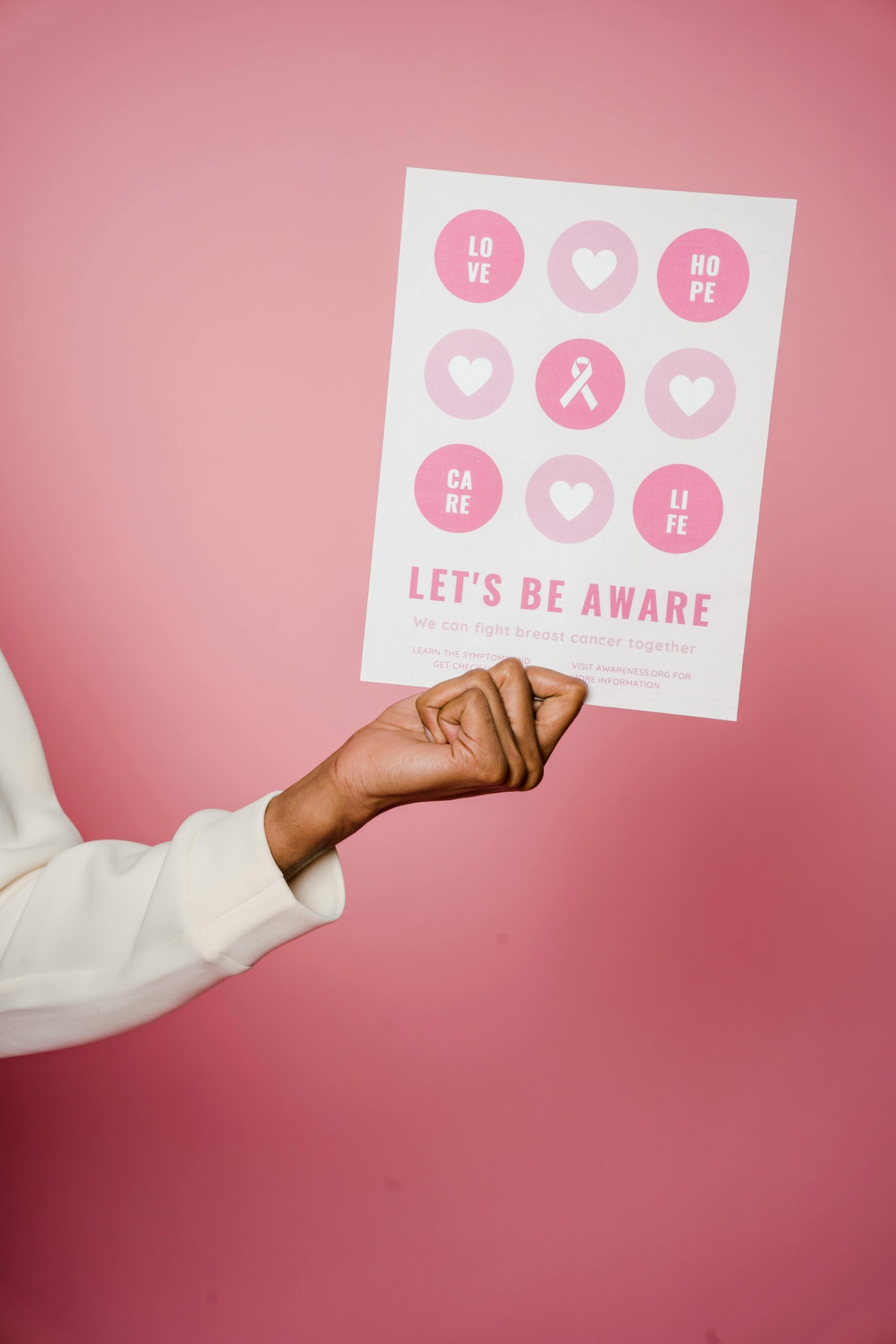
Screen readers cannot access text embedded in graphics. Critical information, dates, locations, accessibility details, and calls to action, must always appear in body text, not inside images or banners.
Add alt text to every image. Include closed captions on every video. Provide a plain-text version of every email for screen reader users. These are small steps with a significant impact on access.
Use Inclusive Language
Language shapes how people feel before they walk through the door. Replace “handicapped” with “person with a disability.” Replace “hearing impaired” with “deaf person” or “hard of hearing.” Avoid ability-specific call-to-action phrases like “see” or “watch”, use “explore” or “check out” instead.
Avoid ableist language in casual copy. Phrases like “you’d be crazy to miss this” may seem harmless, but they signal carelessness to audiences who notice these things.
Share Accessibility Information Prominently
88% of people with disabilities feel more confident attending events when detailed accessibility information is shared in advance. Put it in the registration confirmation, the joining instructions, and the event website in a section that is easy to find.
Tell people where the Calm Nest Space® is. Tell them what the venue sounds and looks like. Share a sensory map. Give them the information they need to decide with confidence.
At Calm Nest Collective, we help event teams audit their communications for accessibility and inclusion, from registration forms to post-event surveys.
