
Category: Public Spaces & Workplaces
-

The Hidden Link Between Creativity, Empathy, and Sensory Sensitivity
We tend to talk about sensory sensitivity as a vulnerability to manage. Recent research suggests it might also be closely linked to some of the most valuable human capacities we have. What the Research Found A 2024 study published in Frontiers in Psychology examined the relationship between sensory processing sensitivity, creativity, and empathy in adults.…
-
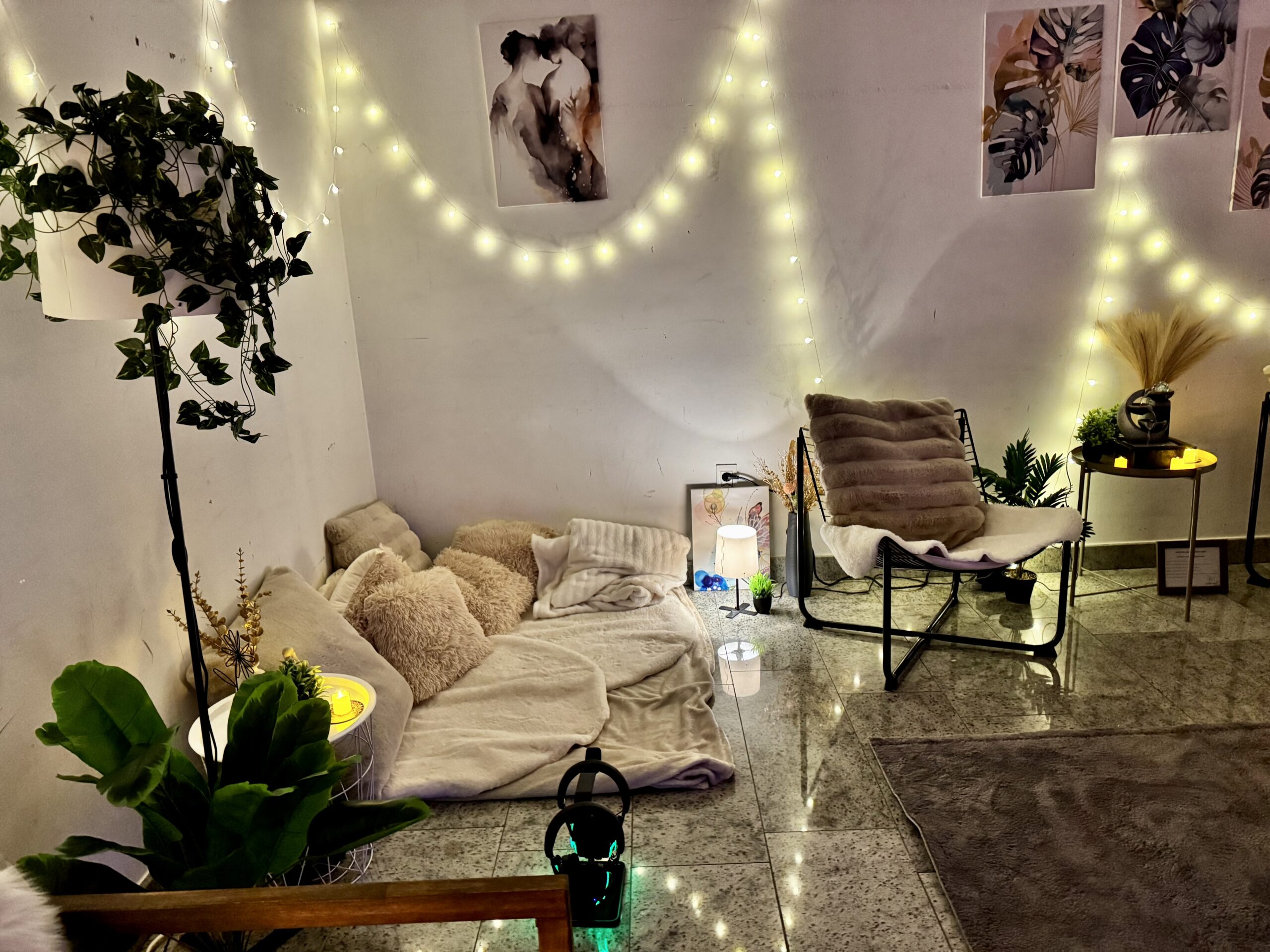
What Happens in the Brain During Sensory Overload
“Overwhelmed” is a word we use casually. But sensory overload is a specific, measurable neurological state and understanding what’s happening in the brain changes how we should respond to it. The Neuroscience of Overload Sensory overload occurs when the volume of incoming sensory information exceeds the brain’s processing capacity. The thalamus, which acts as the…
-

The Business Case for Neuroinclusion: What the Latest Data Actually Shows
Neuroinclusion has often been framed as an ethical obligation. The 2026 data suggests it’s also one of the strongest performance investments an organisation can make. Recent industry analysis tracking neurodiversity initiatives at major employers has documented productivity gains of up to 92% within neurodiverse teams that received appropriate structural and environmental support, alongside error rate…
-

Highly Sensitive People: The Science of Why 1 in 5 of Us Feel Everything More
Some people don’t just notice a loud room. They feel it, in their chest, their thoughts, their energy levels for hours afterward. There’s a name for this, and it’s more common than most people realise. Sensory Processing Sensitivity, or SPS, is a well-documented personality trait affecting an estimated 15–20% of the population. It’s not a…
-
Why Neuroinclusive Spaces Matter for Everyone, Not Just Neurodivergent People
When we talk about neuroinclusive design, the conversation often centres on a specific group of people. Those with autism. Those with ADHD. Those with sensory processing differences or anxiety conditions. And yes, these communities have been calling loudest and longest for environments that actually consider their needs, because for them the stakes are highest and…
-

The Hidden Cost of Constant Stimulation (And Why Your Brain Is Paying the Price)
We live in a world engineered to keep us switched on. From the moment we wake up, notifications, news, commuter noise, open-plan offices, back-to-back meetings, screens glowing late into the night, modern environments make a relentless demand on the human brain: stay alert, stay responsive, stay on. The problem is that our nervous systems were…
-
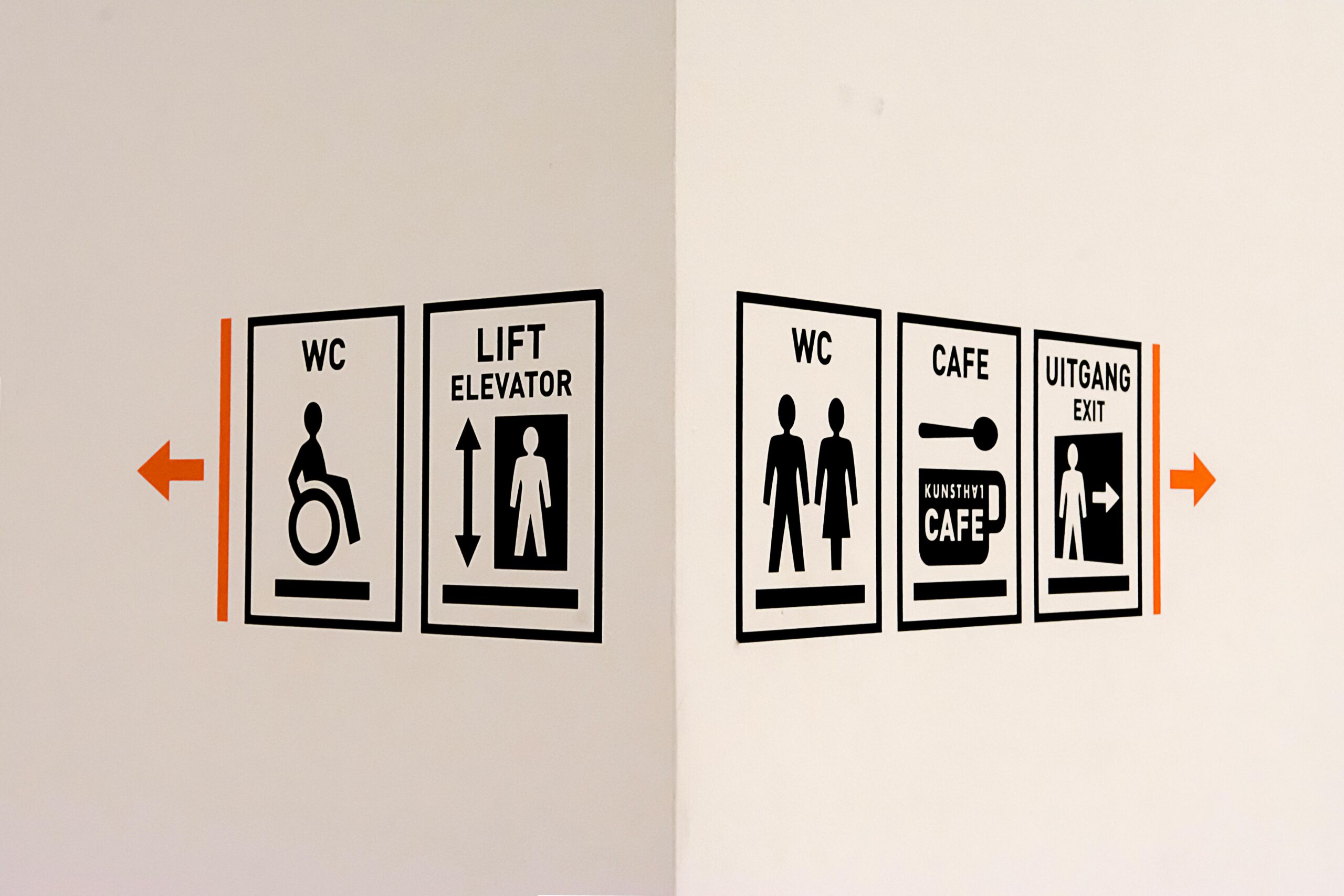
Inclusive Signage and Wayfinding. The Unsung Hero of Accessible Events
Most event planners treat signage as decoration. For many attendees, it is the difference between participation and panic. Clear wayfinding reduces cognitive load. It lets people navigate independently. It removes the anxiety of not knowing where to go which matters enormously for neurodivergent attendees, those with anxiety, and anyone who finds asking for help difficult.…
-
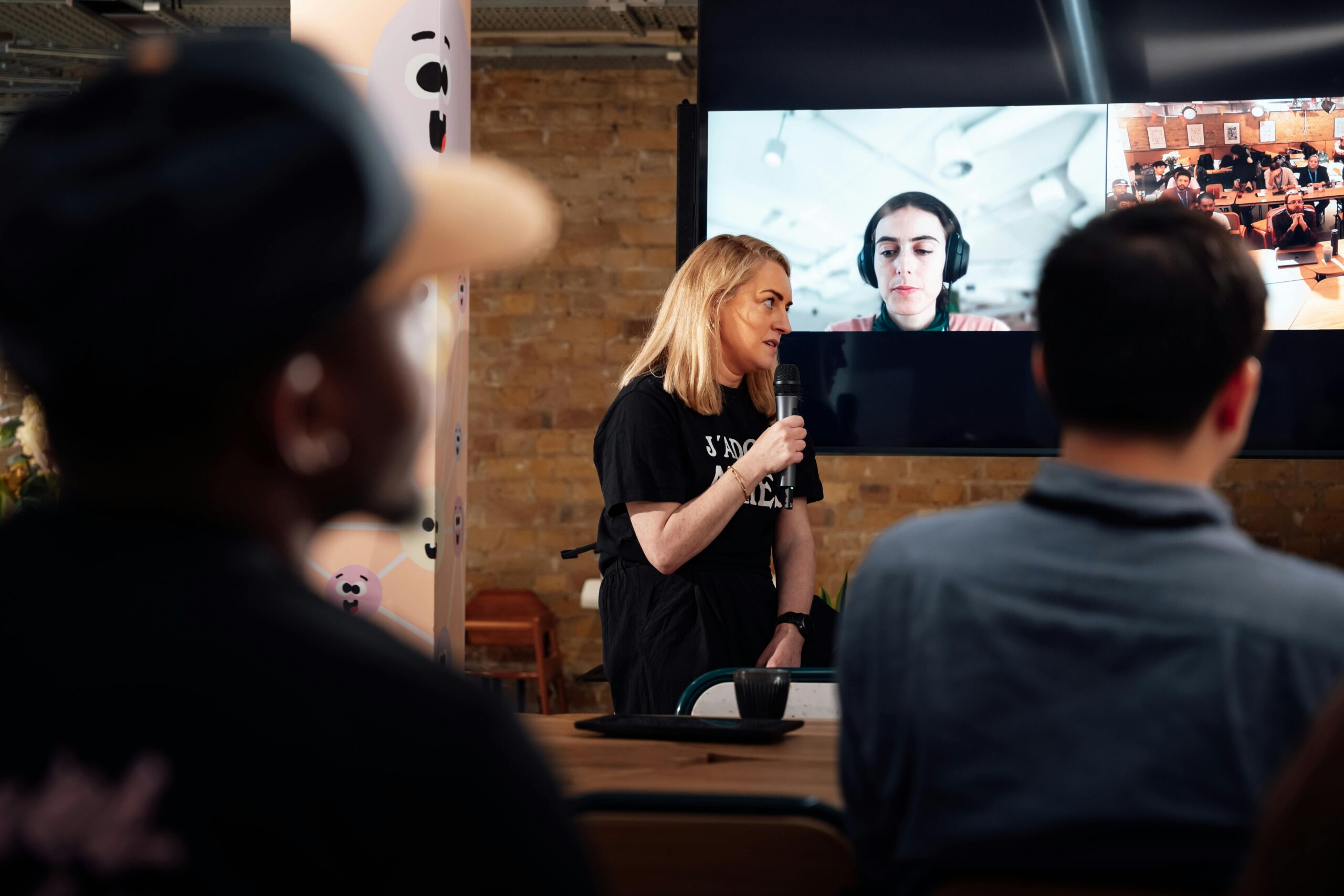
Inclusive Event Design for Virtual and Hybrid Events
Virtual events are often assumed to be more accessible. In many ways they are. But inaccessible virtual design creates entirely new barriers and they affect the same people who already face barriers in person. Removing the need to travel, navigate a physical venue, or manage a crowd is genuinely valuable for many attendees with disabilities,…
-

The Real Reason Your Mindfulness Habit Isn’t Sticking
You downloaded the app. You set the daily reminder. You genuinely meant to keep going. And then, somewhere around day eight, it quietly faded. If that sounds familiar, the problem almost certainly isn’t your discipline or your intentions. It’s your environment. And that’s a much more solvable problem than most mindfulness advice admits. Why Good…
-
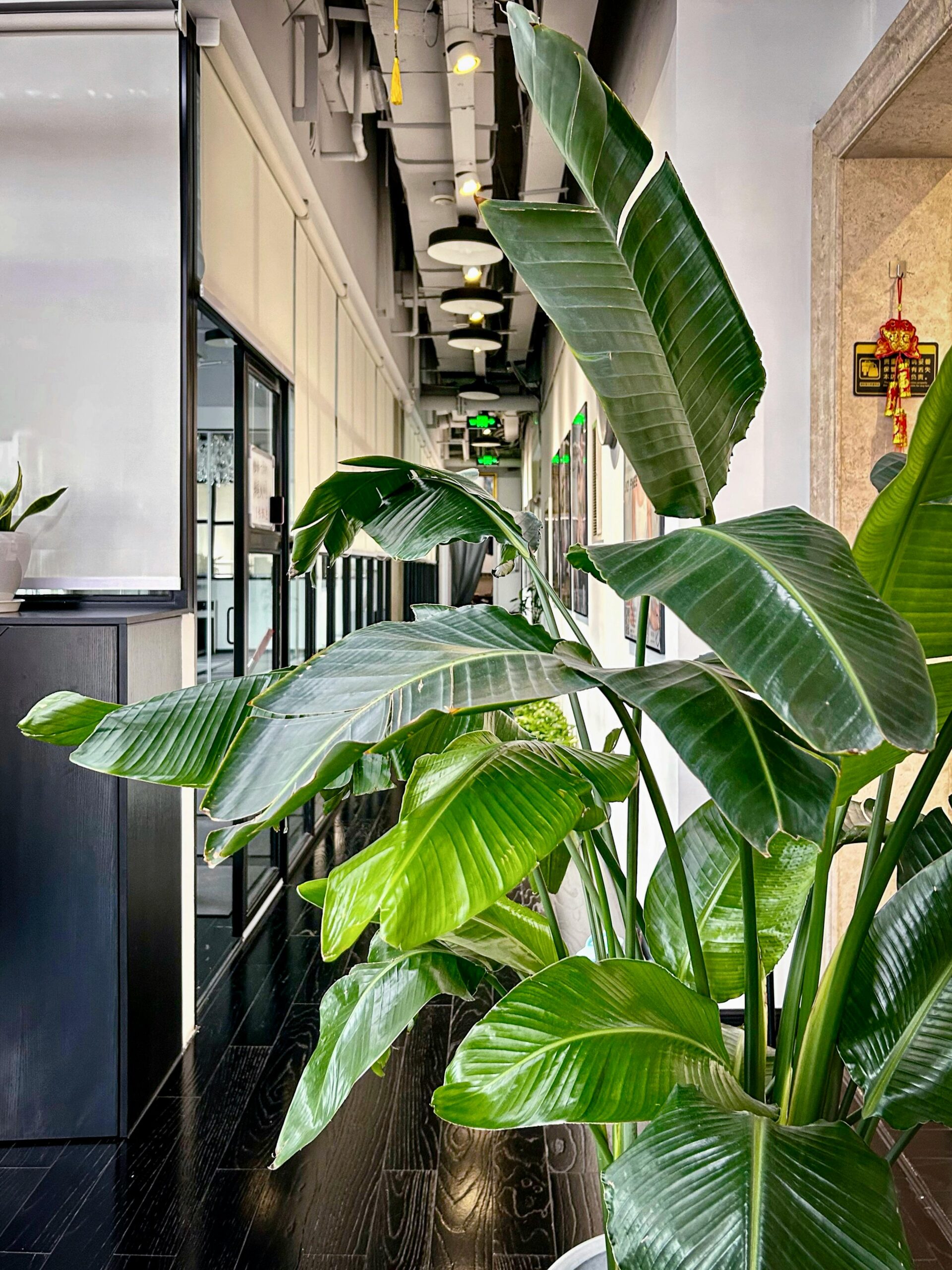
How Inclusive Event Design Applies to the Workplace
Everything we know about inclusive event design applies directly to the workplace. For most people, the workplace is the event they attend every single day. Open-plan offices are conference floors without end dates. Meeting rooms are breakout sessions back to back. The sensory environment of a workplace, its lighting, its noise levels, its design, shapes…