
Category: Public Spaces & Workplaces
-
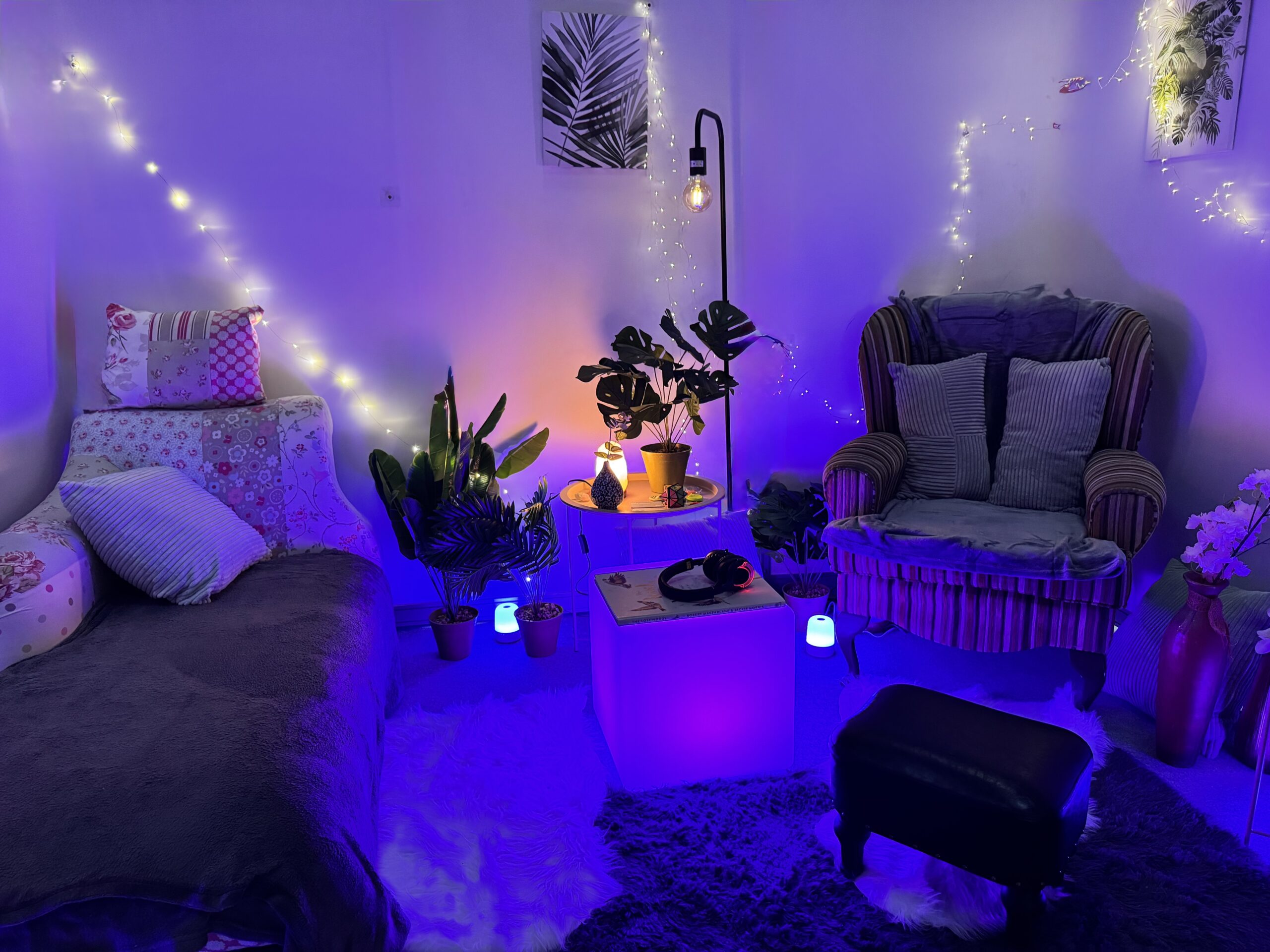
The Sensory Break Room: What It Needs to Actually Work
A “quiet room” sign on a door doesn’t automatically create a functional sensory-friendly space. The details determine whether it genuinely helps anyone. Beyond the Basic Quiet Room Many events now include some version of a quiet space, which represents real progress. But a genuinely effective sensory-friendly break area requires more thought than simply designating an…
-

Small Talk, Big Impact: Redesigning Networking for Neurodivergent Attendees
Networking breaks are meant to be the easiest part of any event. For a significant number of attendees, they’re the hardest. Why Traditional Networking Fails So Many People Unstructured social mingling asks attendees to navigate an enormous amount of unwritten social information simultaneously, who to approach, how to enter a conversation, when it’s appropriate to…
-

The Emotional Toll of Burnout Nobody Talks About Openly
Physical exhaustion gets sympathy. Behavioural withdrawal gets noticed. The emotional dimension of burnout, the part people feel most privately, often goes entirely unaddressed. What Emotional Burnout Actually Feels Like Emotional burnout has a distinct and consistent profile: Why the Emotional Dimension Gets Overlooked Physical and behavioural signs of burnout are visible to others. Emotional burnout…
-

What to Say (and Not Say) When Supporting a Neurodivergent Employee
Most managers want to support their neurodivergent team members. Very few have ever been given the actual words to use. Good intentions collapse quickly without language to back them up. A manager who cares deeply can still cause harm with a clumsy question, an awkward silence, or a comment that puts someone on the spot.…
-

The Long-Term Cost of Ignoring Sensory Needs in Public Infrastructure
Airports, transport hubs, and public buildings are among the most sensory-intensive environments most people encounter regularly. The research on what this costs us, individually and collectively, is only beginning to be understood. The Scale of Exposure Unlike a single event or workplace, public infrastructure is unavoidable for most people. Airports, train stations, and large public…
-
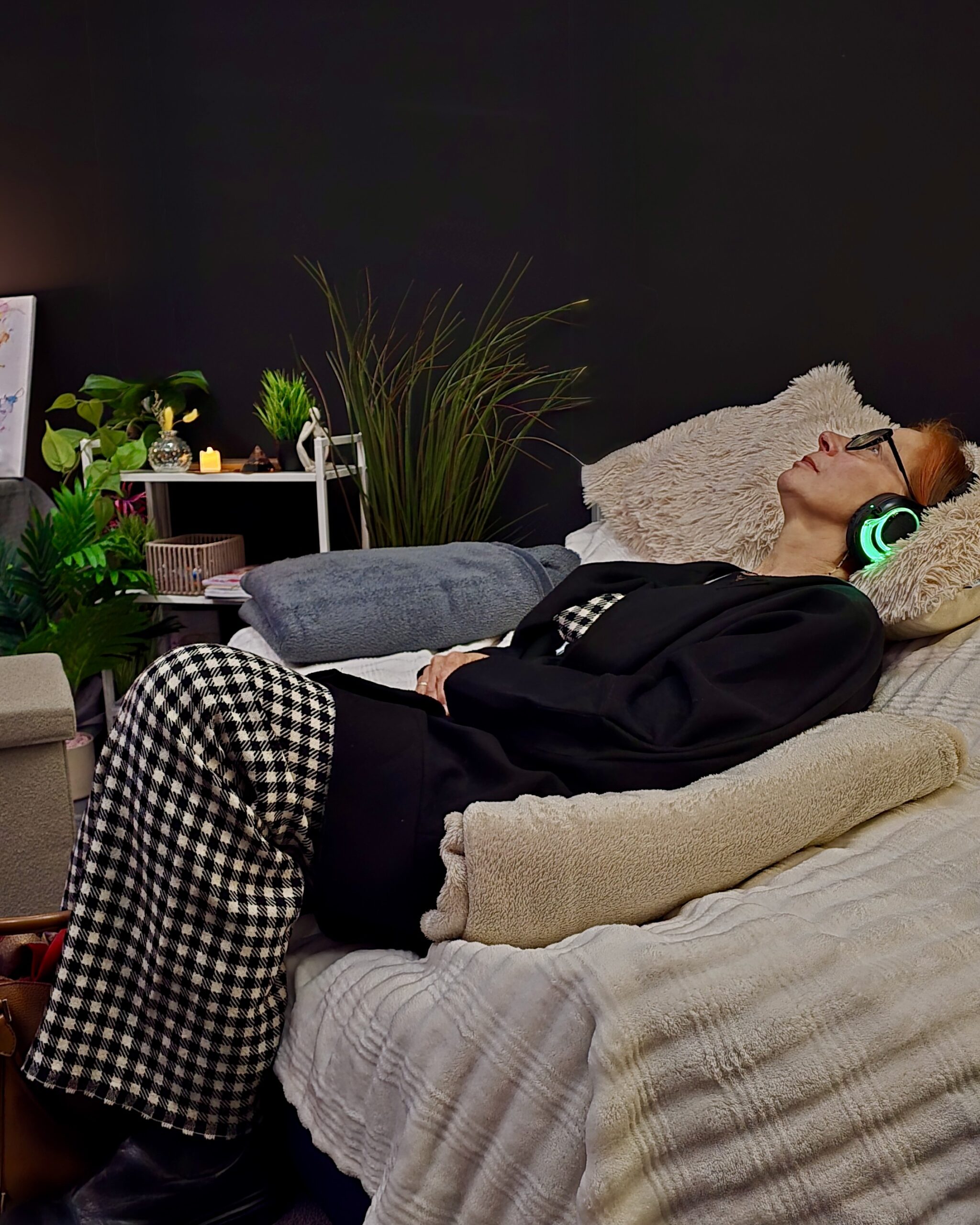
What “Reasonable Adjustment” Actually Means for Sensory Needs
The Equality Act 2010 requires employers and event organisers to make reasonable adjustments for disabled people. But “reasonable” is doing a lot of work in that sentence and sensory needs are where the ambiguity causes the most harm. The Legal Foundation Under the Equality Act 2010, organisations have a legal duty to remove barriers that…
-
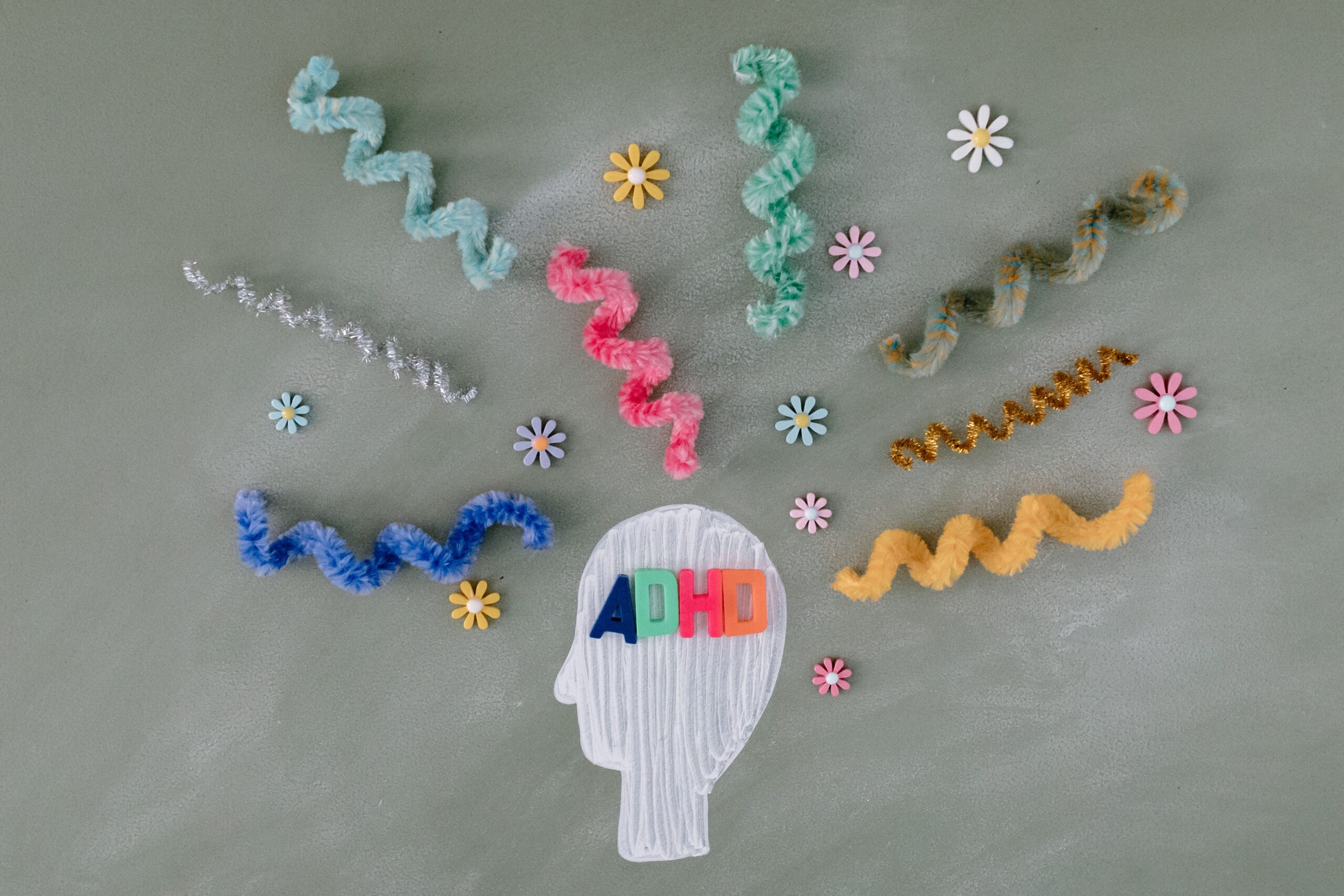
ADHD, Sensory Sensitivity, and the Environments That Fail Both
ADHD and sensory processing sensitivity are often discussed as entirely separate conditions. Research increasingly shows they overlap more than most people realise, with direct implications for how we design spaces. The Research Connection A study examining the relationship between sensory processing sensitivity and ADHD symptoms in adults found a highly significant positive correlation between the…
-
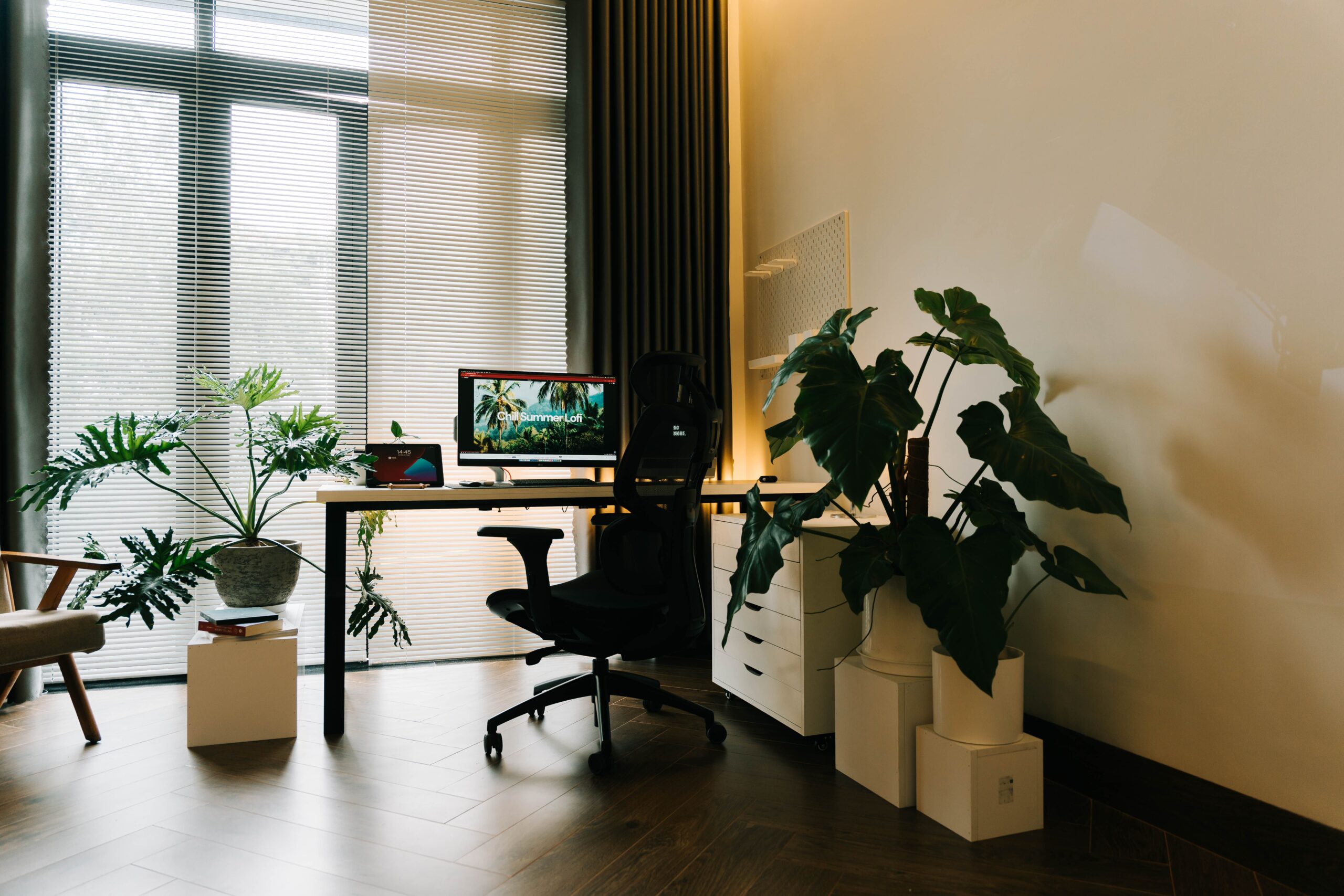
The Financial Case for Sensory-Friendly Workplace Design
Employers often ask what it costs to design inclusively. The more useful question, backed increasingly by data, is what it costs not to. Turnover and Retention Research modelling the financial impact of neuroinclusion for employers has consistently found that structural and environmental support for neurodivergent employees correlates with meaningfully reduced turnover. Given that replacing an…
-
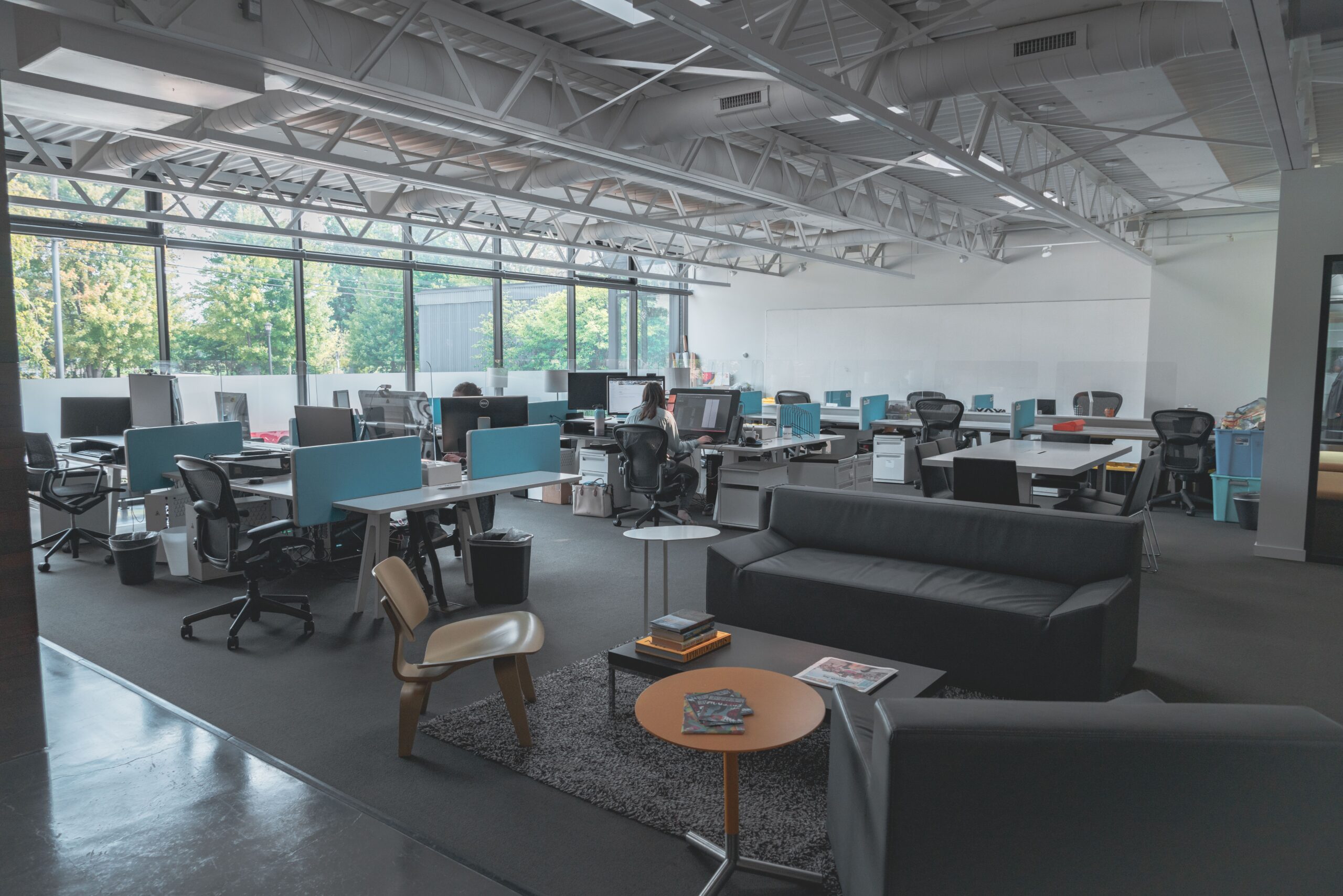
Why Open-Plan Offices Are Failing More People Than We Admit
Open-plan offices were sold as the future of collaborative work. The research increasingly tells a more complicated story and sensory processing science explains why. The Promise vs. the Reality Open-plan layouts were designed around a compelling idea: remove the walls, and collaboration, communication, and creativity will flow more freely. In practice, research has found the…
-

Overstimulation in Daily Life : What a Landmark 2025 Study Revealed
Most research on sensory overload focuses on extreme or unusual environments. A major 2025 study took a different approach, tracking overstimulation as it actually happens, in ordinary daily life. The Study Published in Scientific Reports, this research used an experience sampling method, prompting participants to report their sensory experience at multiple points throughout their normal…