
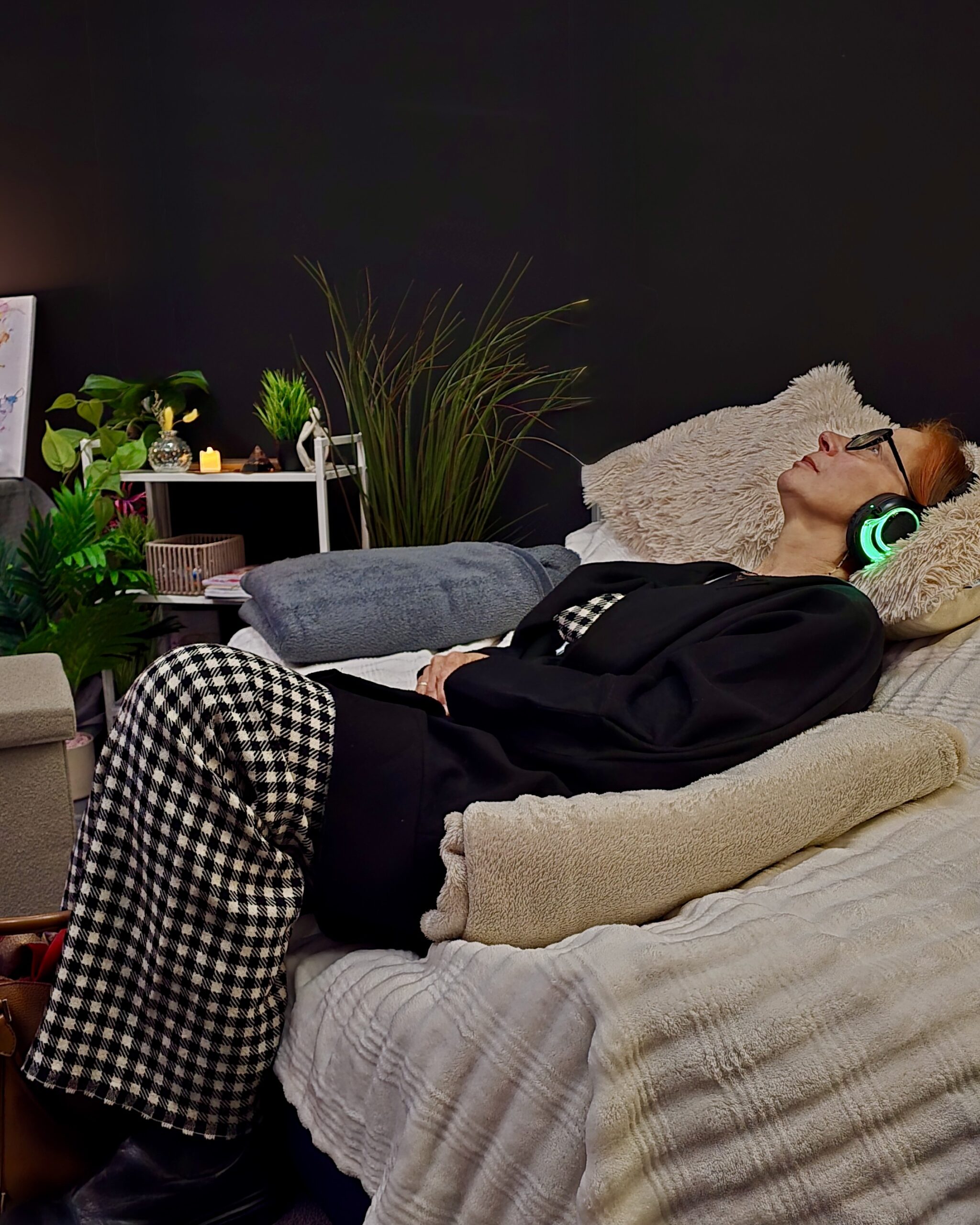
What “Reasonable Adjustment” Actually Means for Sensory Needs
The Equality Act 2010 requires employers and event organisers to make reasonable adjustments for disabled people. But “reasonable” is doing a lot of[…]

ADHD, Sensory Sensitivity, and the Environments That Fail Both
ADHD and sensory processing sensitivity are often discussed as entirely separate conditions. Research increasingly shows they overlap more than most people realise, with[…]
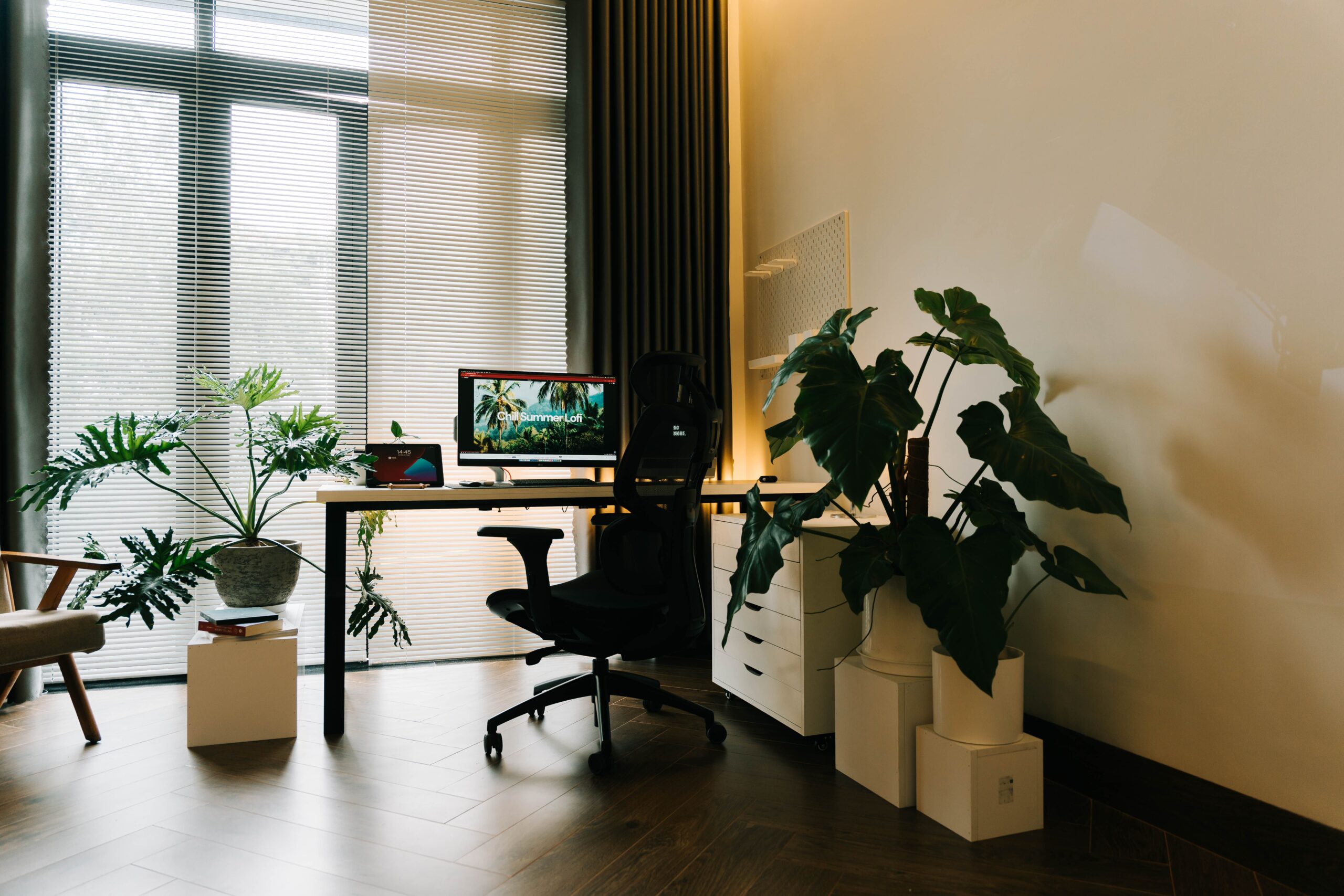
The Financial Case for Sensory-Friendly Workplace Design
Employers often ask what it costs to design inclusively. The more useful question, backed increasingly by data, is what it costs not to.[…]

Why Open-Plan Offices Are Failing More People Than We Admit
Open-plan offices were sold as the future of collaborative work. The research increasingly tells a more complicated story and sensory processing science explains[…]

Overstimulation in Daily Life : What a Landmark 2025 Study Revealed
Most research on sensory overload focuses on extreme or unusual environments. A major 2025 study took a different approach, tracking overstimulation as it[…]

The Hidden Link Between Creativity, Empathy, and Sensory Sensitivity
We tend to talk about sensory sensitivity as a vulnerability to manage. Recent research suggests it might also be closely linked to some[…]
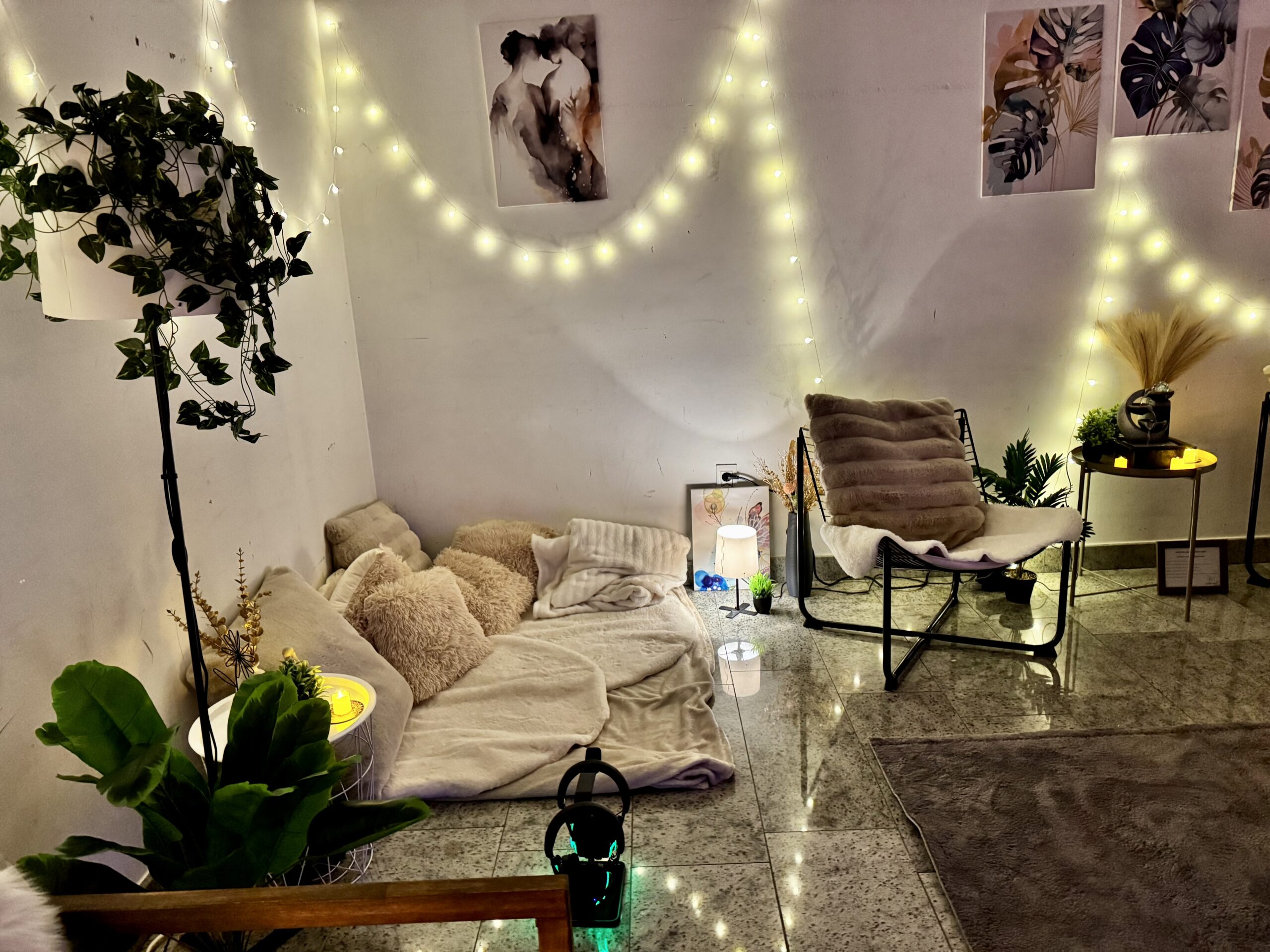
What Happens in the Brain During Sensory Overload
“Overwhelmed” is a word we use casually. But sensory overload is a specific, measurable neurological state and understanding what’s happening in the brain[…]

The Business Case for Neuroinclusion: What the Latest Data Actually Shows
Neuroinclusion has often been framed as an ethical obligation. The 2026 data suggests it’s also one of the strongest performance investments an organisation[…]

Highly Sensitive People: The Science of Why 1 in 5 of Us Feel Everything More
Some people don’t just notice a loud room. They feel it, in their chest, their thoughts, their energy levels for hours afterward. There’s[…]
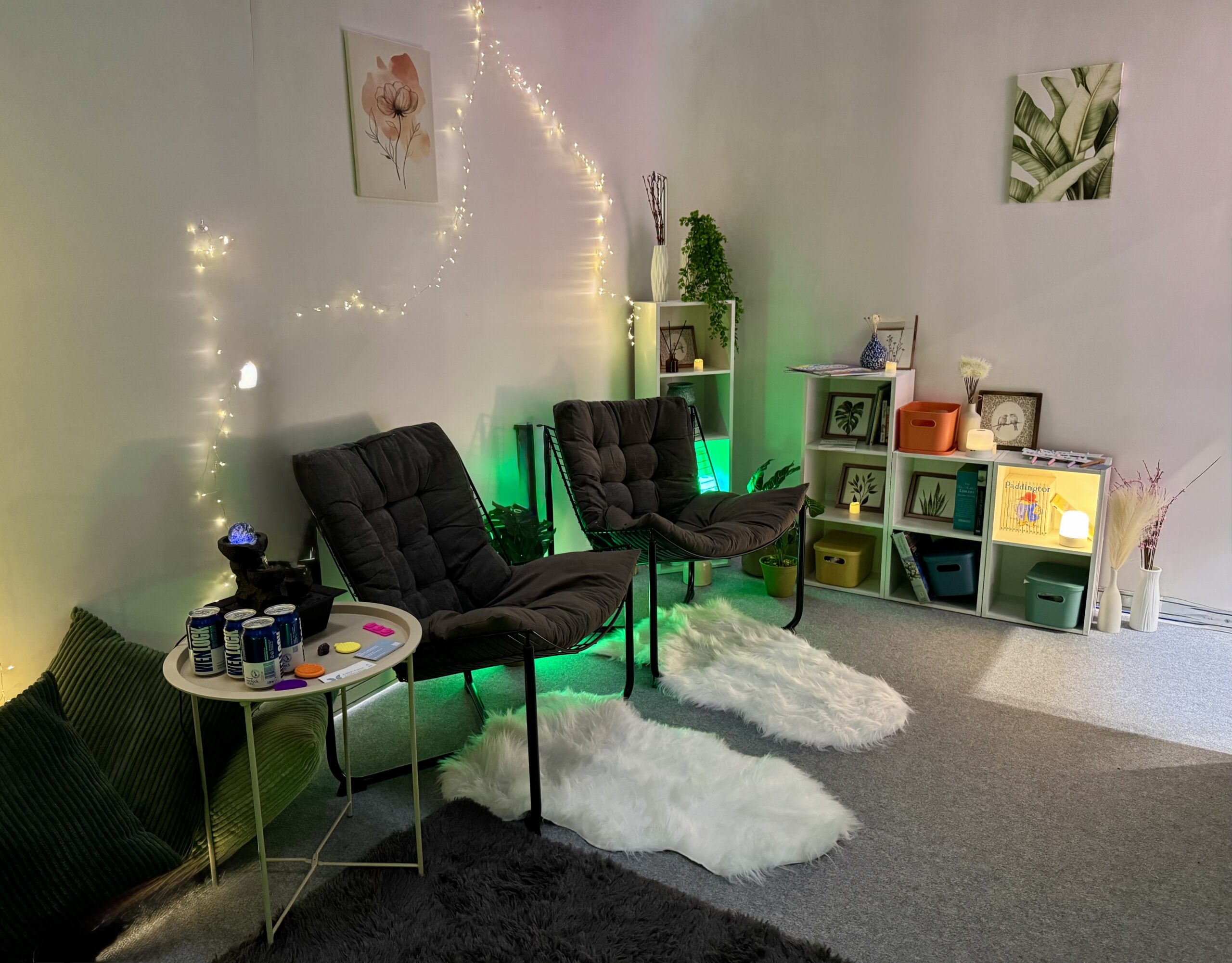
Why Quiet Rooms Are No Longer Optional
There was a time when quiet rooms were considered a nice extra, the kind of thing a well-resourced event might include if budget[…]

Planet. People. Purpose.
Calm Nest Collective LTD
71-75 Shelton Street, Covent Garden, WC2H 9JQ, London, United Kingdom
© 2026 Calm Nest Collective® I Privacy Policy I Terms and Conditions I Accessibility Statement