

Your Breath Is the Fastest Way to Calm Your Nervous System
Of everything in the body, breath is the one process that runs entirely automatically and is also entirely under conscious control. That makes[…]

What the Music Industry Can Teach Every Workplace About Burnout
No industry runs quite like music, constant travel, blurred boundaries between work and identity, and the expectation to perform at your best regardless[…]
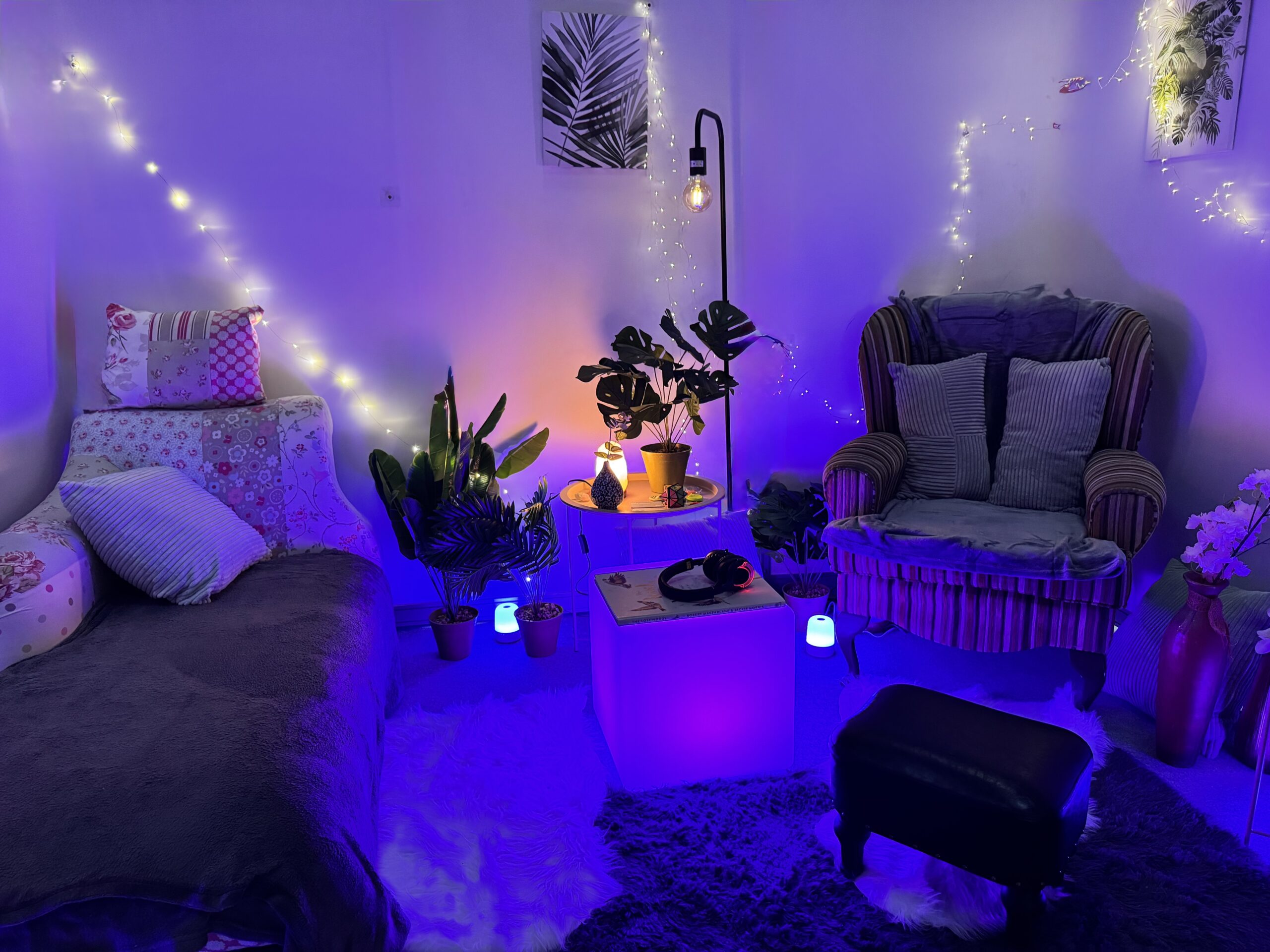
The Sensory Break Room: What It Needs to Actually Work
A “quiet room” sign on a door doesn’t automatically create a functional sensory-friendly space. The details determine whether it genuinely helps anyone. Beyond[…]

Small Talk, Big Impact: Redesigning Networking for Neurodivergent Attendees
Networking breaks are meant to be the easiest part of any event. For a significant number of attendees, they’re the hardest. Why Traditional[…]

The Emotional Toll of Burnout Nobody Talks About Openly
Physical exhaustion gets sympathy. Behavioural withdrawal gets noticed. The emotional dimension of burnout, the part people feel most privately, often goes entirely unaddressed.[…]

The Behaviours That Reveal Burnout Before Anyone Says a Word
Burnout rarely announces itself directly. It shows up first in behaviour, small shifts that are easy to miss unless you know what to[…]

Burnout Has a Body: The Physical Signs We Keep Ignoring
We talk about burnout as a mental state. But burnout announces itself in the body first, often long before we’re willing to admit[…]
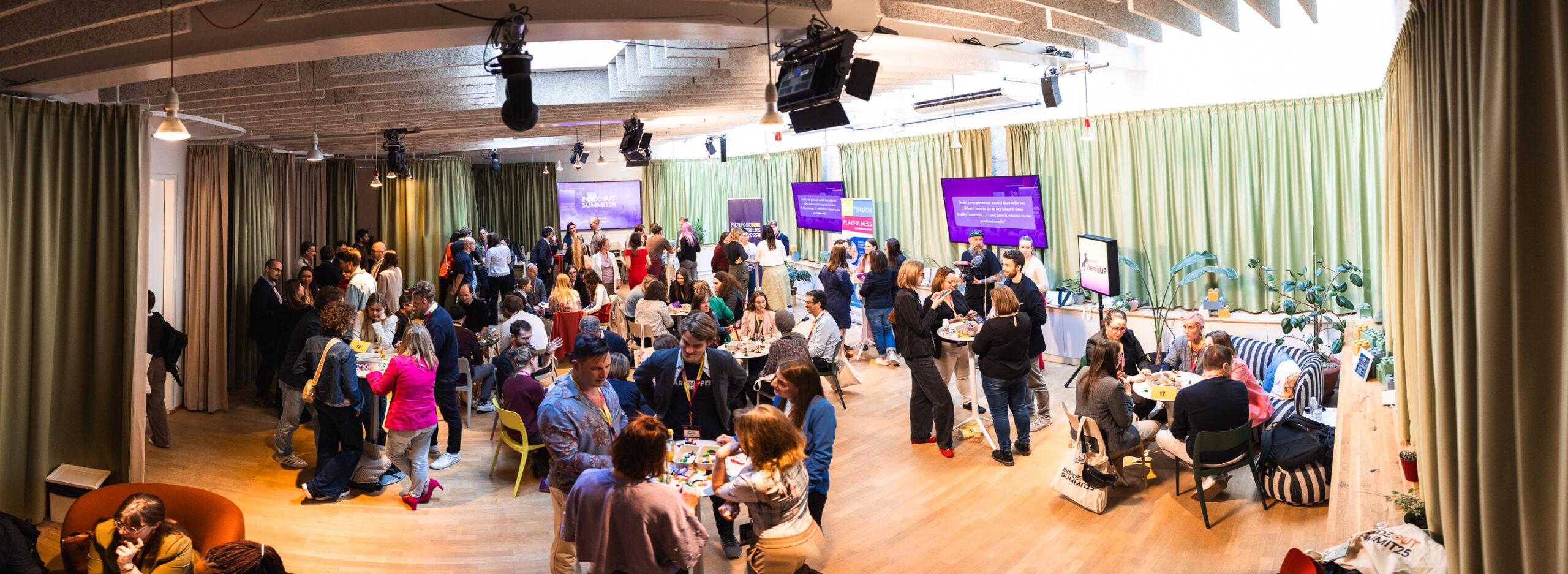
The Neuroinclusive Event Checklist Every Planner Needs
Most event checklists cover logistics, catering, AV, signage. Very few cover the sensory and cognitive experience of the people actually attending. Here’s what[…]
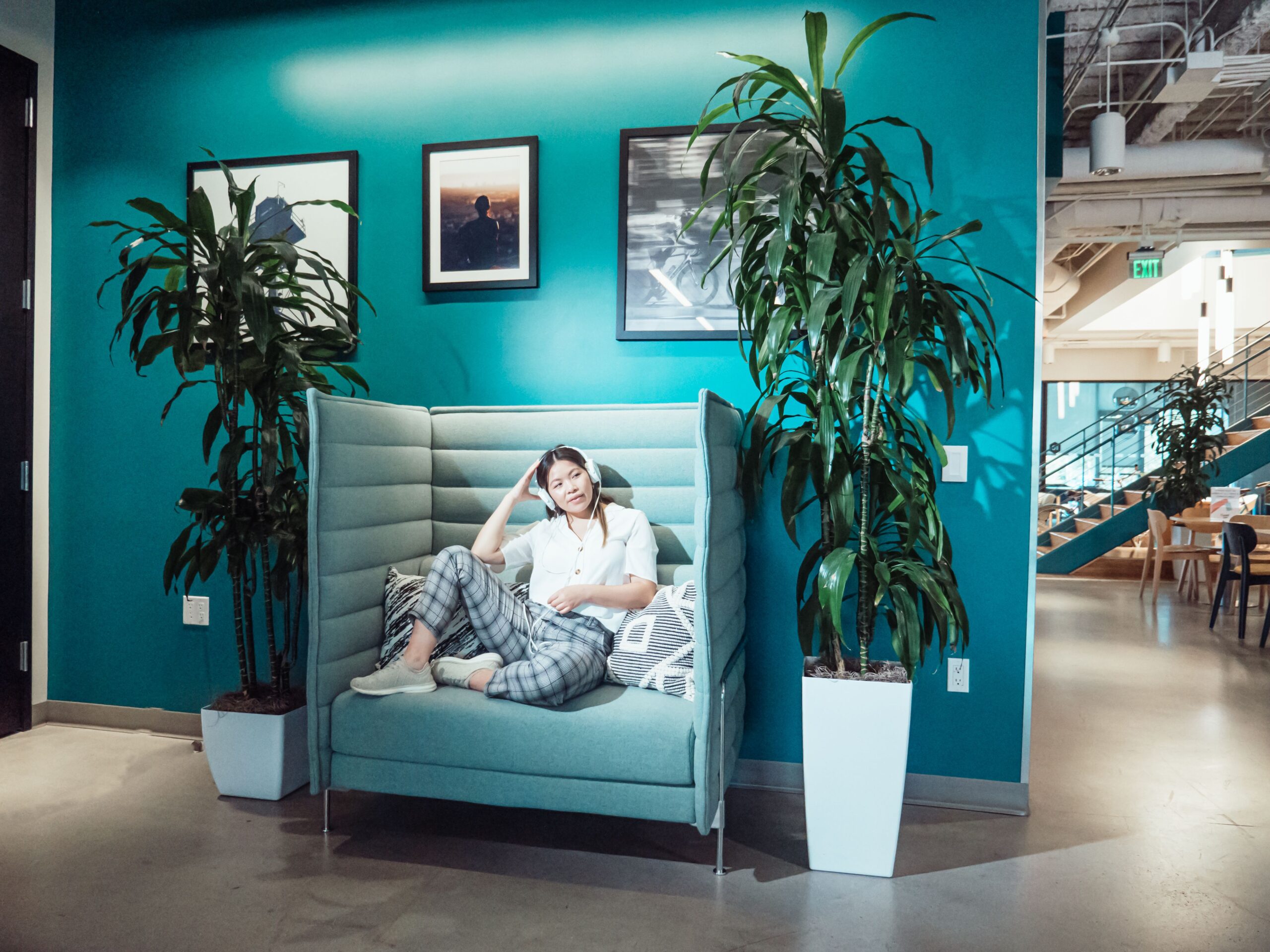
What to Say (and Not Say) When Supporting a Neurodivergent Employee
Most managers want to support their neurodivergent team members. Very few have ever been given the actual words to use. Good intentions collapse[…]
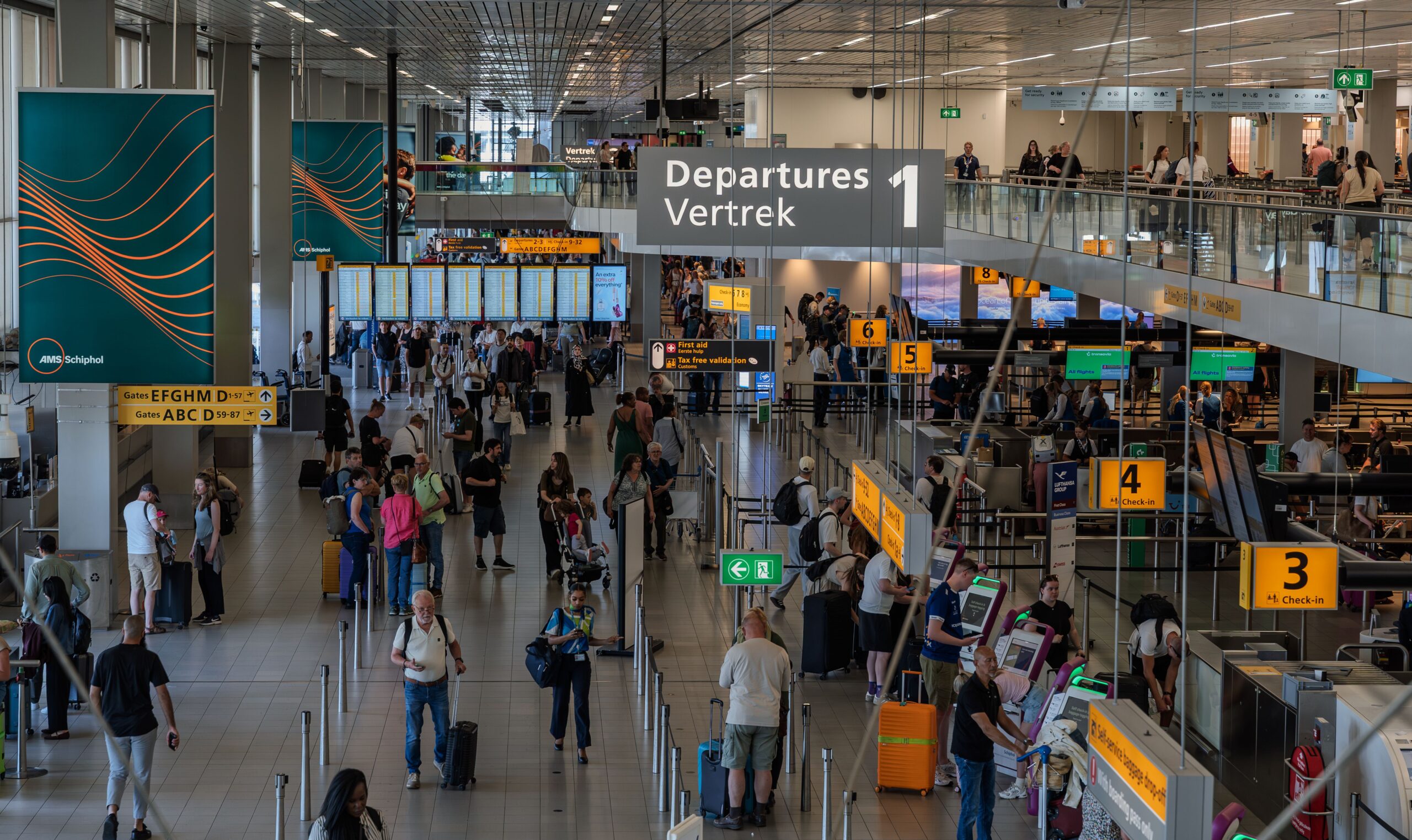
The Long-Term Cost of Ignoring Sensory Needs in Public Infrastructure
Airports, transport hubs, and public buildings are among the most sensory-intensive environments most people encounter regularly. The research on what this costs us,[…]

Planet. People. Purpose.
Calm Nest Collective LTD
71-75 Shelton Street, Covent Garden, WC2H 9JQ, London, United Kingdom
© 2026 Calm Nest Collective® I Privacy Policy I Terms and Conditions I Accessibility Statement