
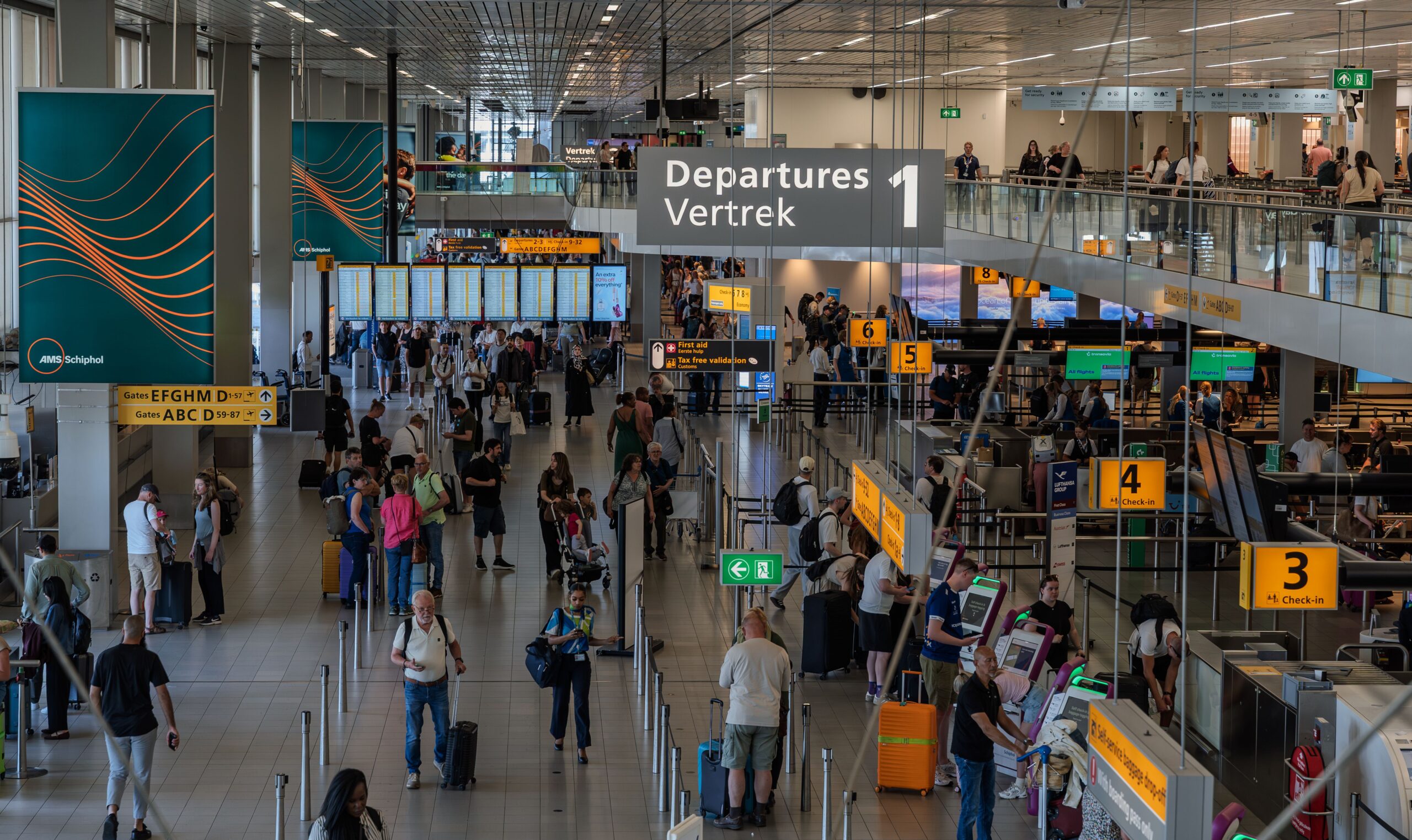
Airports, transport hubs, and public buildings are among the most sensory-intensive environments most people encounter regularly. The research on what this costs us, individually and collectively, is only beginning to be understood.
The Scale of Exposure
Unlike a single event or workplace, public infrastructure is unavoidable for most people. Airports, train stations, and large public buildings are encountered repeatedly, often under time pressure and stress, by virtually everyone, including the 15–20% of the population with heightened sensory processing sensitivity and the substantial proportion who are neurodivergent.
Research on sensory overstimulation in daily life has found that overstimulation accumulates through repeated moderate exposures rather than single dramatic triggers, meaning the design of everyday infrastructure, encountered routinely, carries more cumulative weight than occasional exposure to an unusually loud or bright environment.
What Gets Overlooked in Public Design
Public infrastructure has historically prioritised throughput and efficiency, moving large numbers of people quickly, over sensory experience. Bright uniform lighting, constant public announcements, and dense crowd flow are optimised for logistics, not for the nervous systems processing them.
This creates a compounding effect for people who travel or use public buildings regularly. The cumulative sensory cost of a daily commute through an overstimulating transport hub, repeated week after week, represents a significant and largely undocumented burden, one that current infrastructure design does not account for.
Where Change Is Beginning
Some transport authorities and public venues have begun introducing designated quiet areas, sensory maps, and adjusted lighting in response to advocacy and emerging awareness, early evidence that public infrastructure design is beginning to catch up with private event and workplace inclusion efforts. But progress remains uneven and often under-resourced.
The Opportunity for Organisations That Move First
Organisations responsible for public-facing infrastructure, transport hubs, universities, large venues, that invest in sensory-friendly design now are addressing a documented, quantifiable gap ahead of what is likely to become an increasing regulatory and public expectation.
At Calm Nest Collective, we work with public venues and infrastructure providers to design Calm Nest Spaces® that address this accumulating research, bringing the same rigour we apply to events and workplaces into the public spaces people encounter every single day.
Bring sensory-friendly design to your public space. [Talk to Calm Nest Collective →]
