
A “quiet room” sign on a door doesn’t automatically create a functional sensory-friendly space. The details determine whether it genuinely helps anyone.
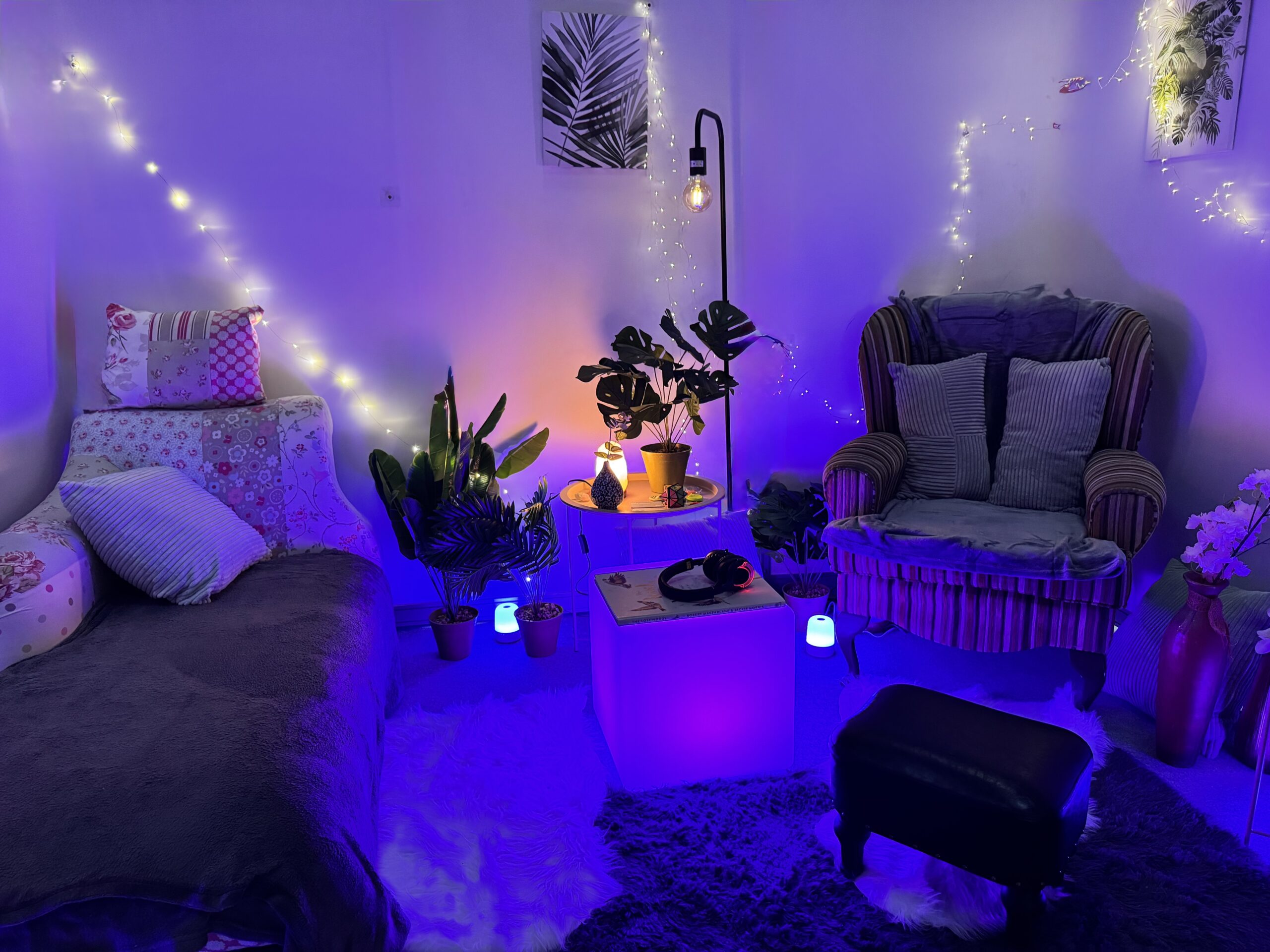
Beyond the Basic Quiet Room
Many events now include some version of a quiet space, which represents real progress. But a genuinely effective sensory-friendly break area requires more thought than simply designating an empty room.
Odour Matters More Than Most Planners Realise
Catering choices throughout an event, particularly near or within break areas, should prioritise low-to-no-odour food options. Strong smells are one of the most under-considered sensory triggers at events, and they linger in ways that lighting and noise adjustments don’t fully address.
Guided Orientation Reduces Anxiety Before It Starts
Offering guided tours of the building before an event begins allows attendees to build a mental map of the space in advance, including the location of sensory-friendly areas, significantly reducing the anxiety of navigating an unfamiliar environment under time pressure once the event is underway.
Physical Comfort as a Sensory Tool
Allowing participants to sit or stand freely during sessions, rather than enforcing a single posture for the full duration, gives people genuine agency over their own comfort and sensory regulation throughout the day.
Fidget Tools as Standard, Not Special Request
Supplying fidget devices as part of standard event swag, rather than as an item people must specifically request, normalises their use and ensures they reach attendees who might benefit but wouldn’t otherwise ask.
Bringing It All Together
None of these elements work in isolation. A sensory break room without low-odour catering nearby, or guided orientation to help attendees find it, delivers only a fraction of its potential value. Genuine sensory-friendly design requires thinking about the whole attendee journey, not a single room in isolation.
At Calm Nest Collective, we design comprehensive sensory environments, not standalone quiet rooms, built around exactly this kind of holistic thinking.
Build a sensory environment that actually works. [Talk to Calm Nest Collective →]
