
Category: Sustainability & Impact
-
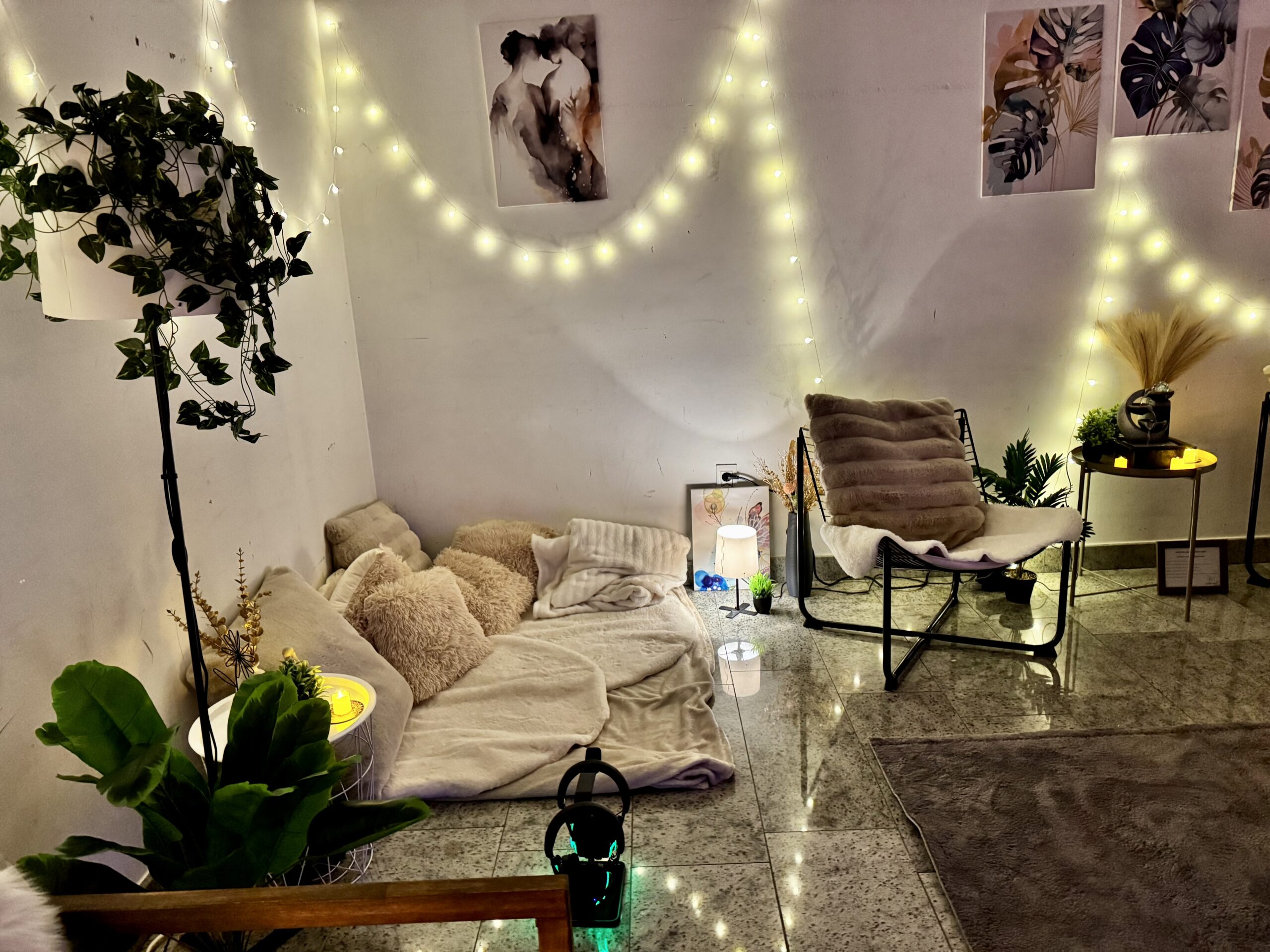
Why Neuroinclusive Spaces Matter for Everyone, Not Just Neurodivergent People
When we talk about neuroinclusive design, the conversation often centres on a specific group of people. Those with autism. Those with ADHD. Those with sensory processing differences or anxiety conditions. And yes, these communities have been calling loudest and longest for environments that actually consider their needs, because for them the stakes are highest and
-
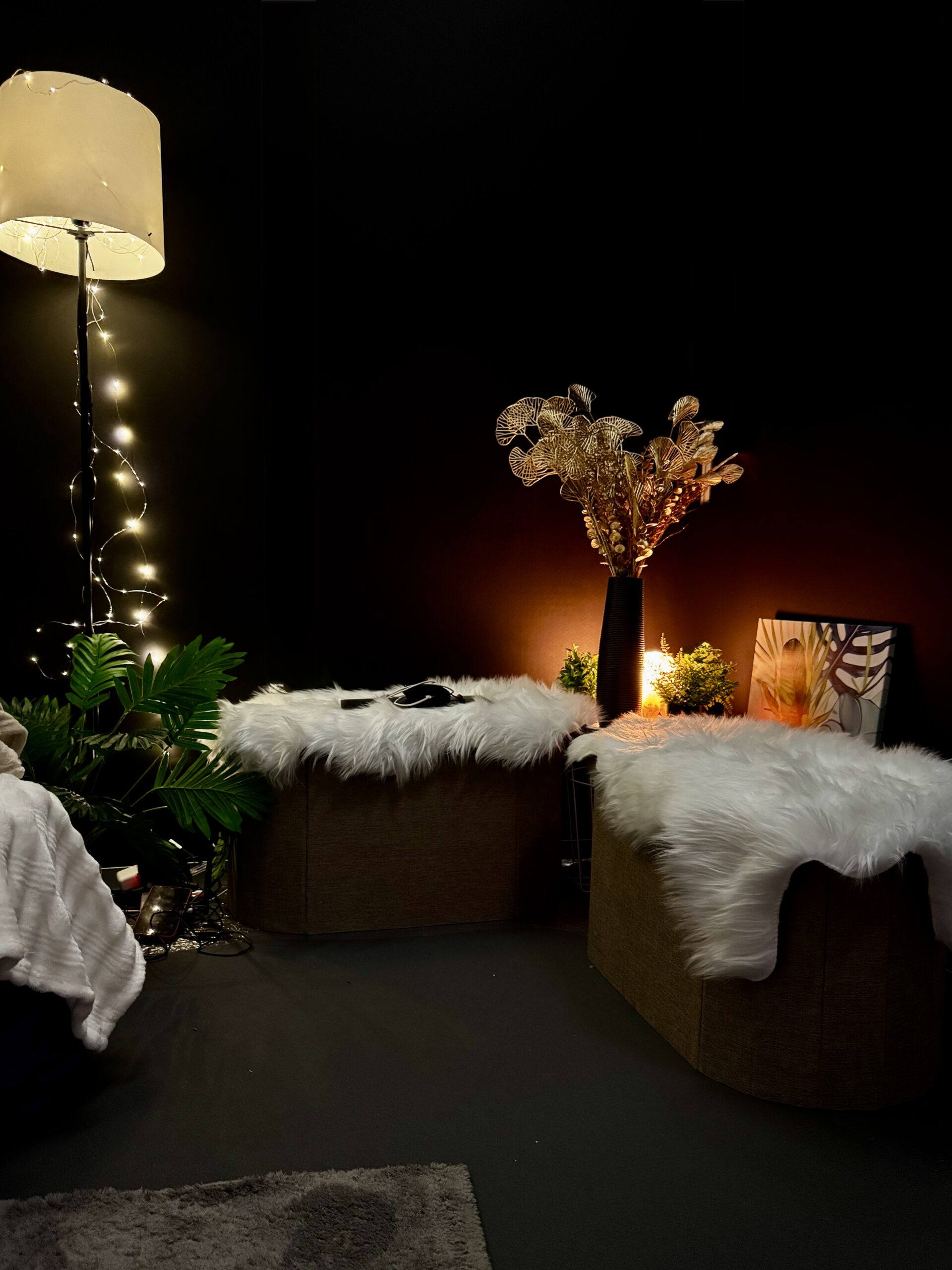
Design That Heals, Not Just Impresses
When we think about great design, we tend to picture visual impact, striking architecture, bold interiors, spaces that stop people in their tracks. But what if design could do something far more meaningful than impress? What if it could actively support the people inside it? That question sits at the heart of architectural psychology and
-

The Role of Nature in Reducing Stress And How to Bring It Indoors
Nature has always been humanity’s most reliable reset. Long before the science existed to explain it, people understood instinctively that stepping outside, walking among trees, sitting near water, feeling natural light on their face, made them feel better. Calmer, clearer, more themselves. Now the science exists. And it confirms what we’ve always known, with a
-

Inclusive Catering – The Detail That Signals Everything
Nothing communicates inclusion more quickly than whether someone can actually eat at your event. Catering is one of the most overlooked dimensions of inclusive event design. It affects neurodivergent attendees, people with disabilities, those with severe allergies, and people with religious dietary requirements. When it goes wrong, it sends a clear and deflating message. The
-

Noise Is a Public Health Risk. Here’s What We’re Doing About It.
This isn’t a wellness trend or a comfort preference. The World Health Organization now ranks chronic noise exposure alongside other serious public health threats and the evidence behind that classification is hard to ignore. We’ve normalised living and working in loud, overstimulating environments. But our bodies haven’t adapted to them. And the costs are accumulating