
Most people intuitively know that time outside feels good. Fewer understand the specific psychological mechanisms at play, including why “being outside” functions as a genuinely distinct wellbeing mechanism from simply “being in nature.”
More Than Just Nature Exposure
While relationship with nature and being outside are related, research treats them as genuinely distinct mechanisms. Being outside carries specific value beyond nature content alone, it’s fundamentally about being away from the usual environment associated with stress, difficulty, or demand.
The Value of “Otherness”
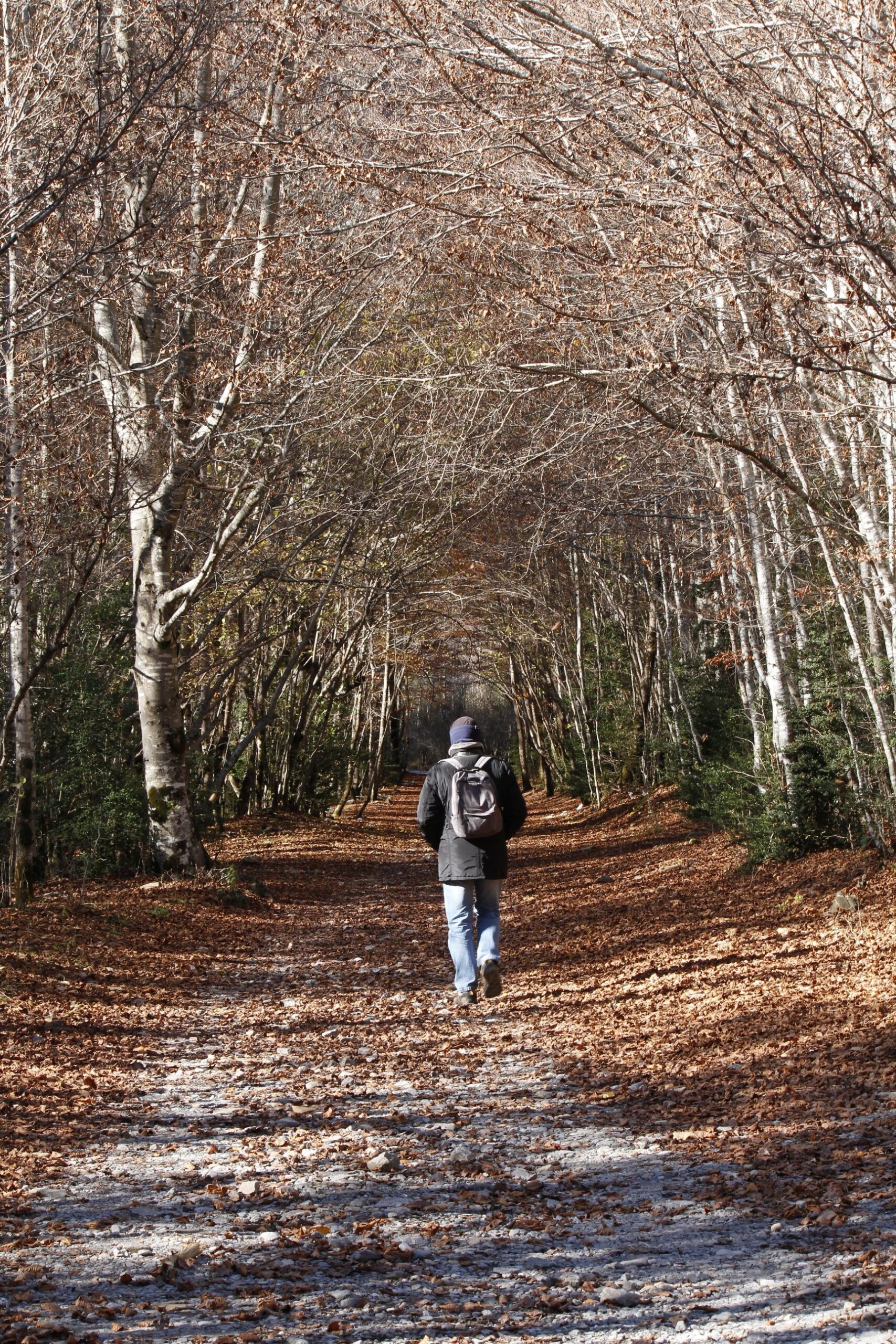
Participants in nature-based interventions consistently describe outdoor environments as simple, peaceful, and crucially “other”, meaningfully different from their usual surroundings. This otherness matters psychologically: it signals a genuine break from context, not just a change of scenery within the same environment. One participant in a therapeutic outdoor programme described the shift as feeling like “something outside, something bigger than myself,” in contrast to indoor settings that felt like simply “switching four walls for another four walls.”
The Role of Neutral Environments
Outdoor and natural settings are frequently described as calmer and more positive than more clinical or institutional environments, partly because they lack the associations, hierarchies, and expectations built into indoor spaces designed for a specific formal purpose. This neutrality appears to make it easier for people to be genuinely themselves, without feeling evaluated or judged.
Facilitating Connection Through Shared Activity
Being outside also appears to facilitate conversations and support that are harder to access in other settings, working alongside others or sitting around a shared focal point seems to lower social barriers in ways that face-to-face conversation indoors sometimes doesn’t. This suggests outdoor settings may have a particular value for group support and connection, beyond their individual psychological benefits.
An Important Caution
It’s worth noting that outdoor exposure isn’t universally calming for everyone. For people unfamiliar with natural or wild spaces, unfamiliarity itself can be a source of stress rather than relief. Careful, gradual introduction to new outdoor environments matters, the benefit isn’t automatic simply by virtue of being outside.
Designing With This in Mind
For organisations without access to formal green space, even modest outdoor elements, a courtyard, a rooftop space, access to natural light and air, can tap into some of this “otherness” mechanism, offering genuine psychological value distinct from indoor environments regardless of formal landscaping.
At Calm Nest Collective, we consider outdoor and semi-outdoor elements as a genuine design tool in our Calm Nest Spaces®, informed by this specific research on why being outside works.
Bring the psychological power of “outside” into your design. [Talk to Calm Nest Collective →]
