
We often think of mental health support as something done for us. Research on caring, for plants, animals, or gardens, suggests one of the most powerful mechanisms works in the opposite direction.
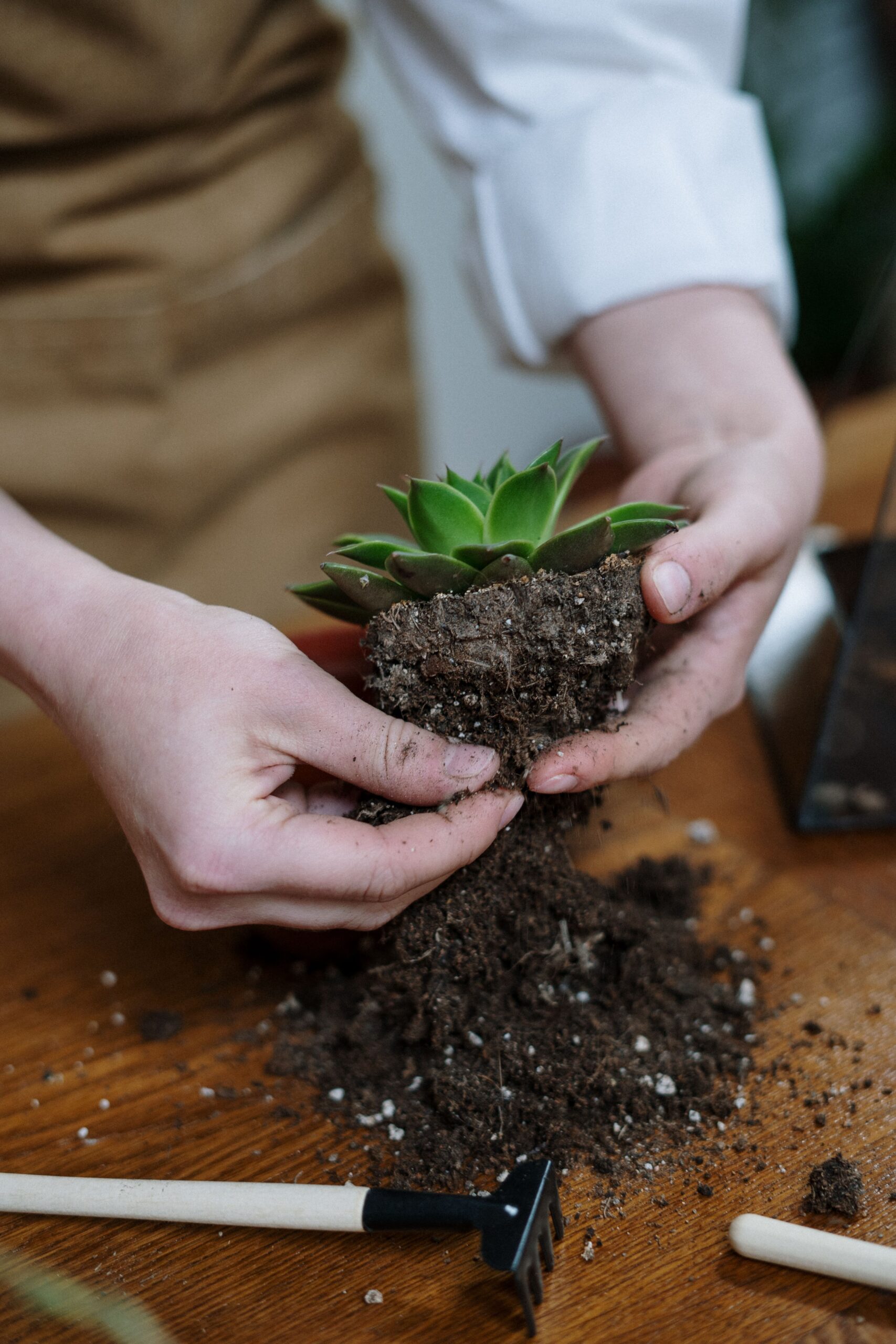
The Evidence Behind Caring
Systematic reviews focusing on gardening and horticultural therapy have found significant results for reduced depression and anxiety, improved self-esteem and social function, better mental and psychological wellbeing, improved cognitive function, and better sleep. This evidence includes randomised controlled trials, not just observational or qualitative accounts, giving it a stronger evidence base than many other wellbeing interventions.
Why Caring for Something Works
The mechanism appears to work through several intertwined pathways. Caring and nurturing help people find solace, offering a sense of accomplishment tied to helping something else thrive, a powerful, tangible marker of personal achievement. One horticultural therapy participant described it vividly: “You plant this dot of a seed, which looks like nothing, and within weeks it’s a beautiful flower and you care for it, you’ve helped it to survive. Not only have you survived, but you’ve helped something else survive and thrive.”
Shifting the Focus Away From Self
Gardening and similar caring activities are often collective endeavours, shifting focus away from individual performance and results, a source of stress for many people, toward a shared, lower-pressure activity. This shift in focus, away from self-evaluation and toward nurturing something outside the self, appears to be part of what makes caring activities so effective for reducing anxiety and rumination.
Providing Purpose and Responsibility
Having genuine responsibility for something else, a plant, a garden bed, an animal, provides an important self-motivation factor and a felt sense of purpose. This has also been shown to help alleviate loneliness, particularly among older adults, by giving daily structure and a reason to engage that exists independently of social contact.
Managing Expectations Around Timescales
An important practical consideration: caring activities involve inherent delays between effort and visible reward ,the gap between planting and flowering, for example. Ensuring people have genuine opportunity to notice and appreciate the eventual results of their care matters significantly for sustaining the psychological benefit, particularly for anyone who might otherwise disengage before seeing the outcome of their effort.
Applying This Beyond Gardens
The caring mechanism doesn’t require a literal garden. Any activity involving sustained responsibility for something outside oneself, tending a shared office plant, contributing to a community project, mentoring someone less experienced, may tap into some of the same psychological benefit.
At Calm Nest Collective, we incorporate caring-based elements, including living plants and shared nurturing spaces, into Calm Nest Spaces® wherever possible, because the evidence for this quiet, unassuming mechanism is stronger than most people realise.
Bring the psychology of caring into your wellbeing design. [Talk to Calm Nest Collective →]
