
The Equality Act 2010 requires employers and event organisers to make reasonable adjustments for disabled people. But “reasonable” is doing a lot of work in that sentence and sensory needs are where the ambiguity causes the most harm.
The Legal Foundation
Under the Equality Act 2010, organisations have a legal duty to remove barriers that prevent disabled people from accessing employment, goods, or services. Failing to make reasonable adjustments constitutes a form of discrimination, with real legal consequences for organisations that ignore documented needs.
Sensory sensitivities and neurodivergent conditions increasingly fall within the scope of this legislation when they have a substantial and long-term effect on a person’s day-to-day activities, a growing area of legal clarity as case law and guidance develop.
Where “Reasonable” Gets Complicated
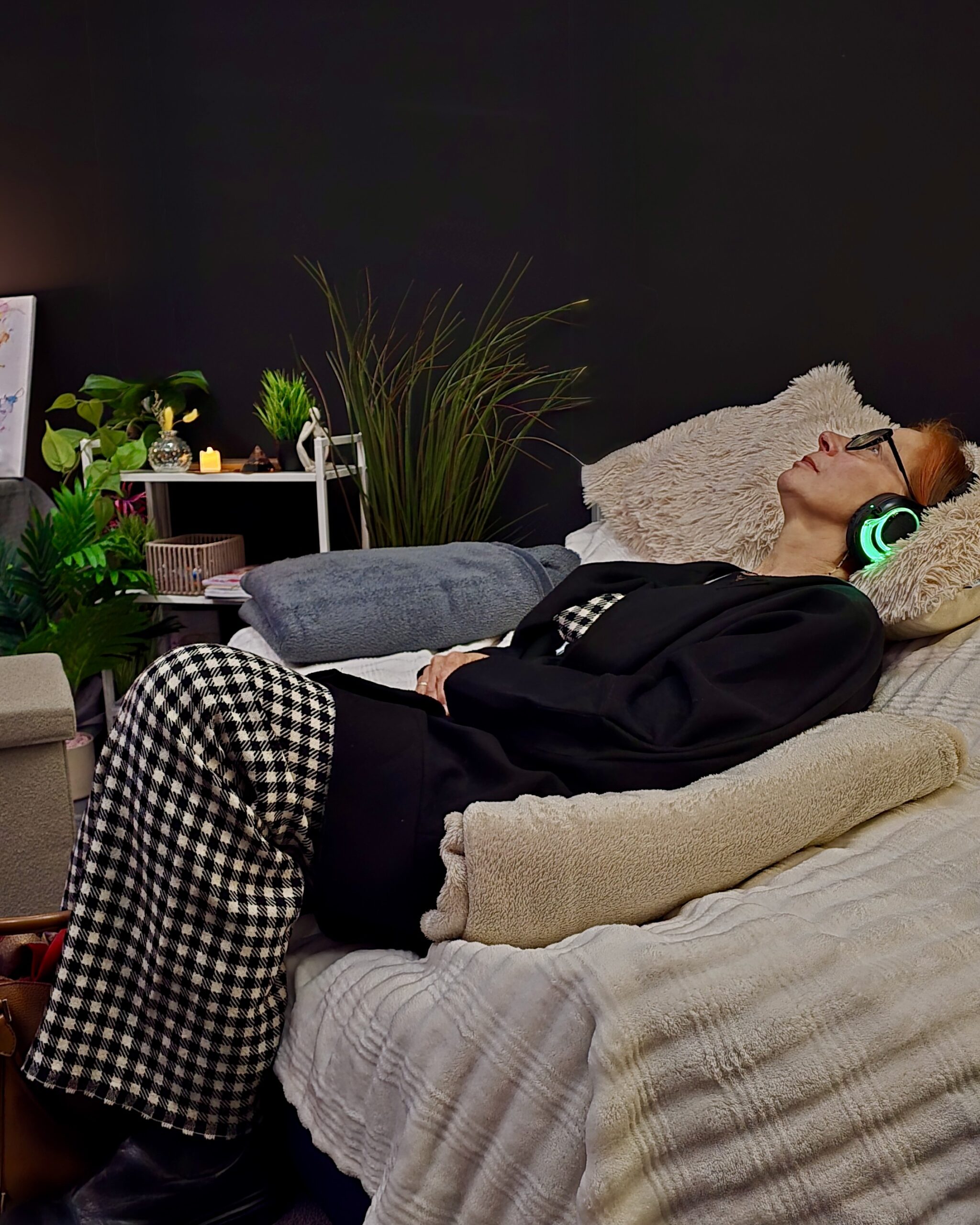
The word “reasonable” creates genuine ambiguity in practice. A large corporate event with a significant budget faces a different reasonable adjustment standard than a small community workshop. But research consistently shows that many of the most effective sensory accommodations are low-cost regardless of organisational scale, adjustable lighting, a genuinely quiet space, clear pre-event communication about sensory conditions.
This means the “reasonableness” threshold for basic sensory accommodation is lower than many organisations assume. A dimmer switch and a spare room with soft furnishings are rarely beyond reasonable, even for modestly resourced events.
The Cost of Getting It Wrong
Organisations that fail to make reasonable adjustments face genuine legal exposure, but the more common cost is reputational and human. Data on disabled people’s experiences at events consistently shows high rates of people leaving early or avoiding future attendance after inadequate accommodation, representing a significant and preventable loss of audience, talent, and goodwill.
Moving Beyond Legal Minimums
The most effective organisations don’t treat “reasonable adjustment” as a legal floor to just barely clear. They treat documented sensory research, on overstimulation, sensory processing sensitivity, and neurodivergent needs, as the actual design brief, with legal compliance as a natural byproduct of genuinely thoughtful design.
At Calm Nest Collective, we help organisations move beyond minimum legal compliance toward design that reflects the full body of sensory and neuroinclusion research, protecting them legally while genuinely serving the people in their spaces.
Go beyond the legal minimum. [Talk to Calm Nest Collective →]
