
“Overwhelmed” is a word we use casually. But sensory overload is a specific, measurable neurological state and understanding what’s happening in the brain changes how we should respond to it.
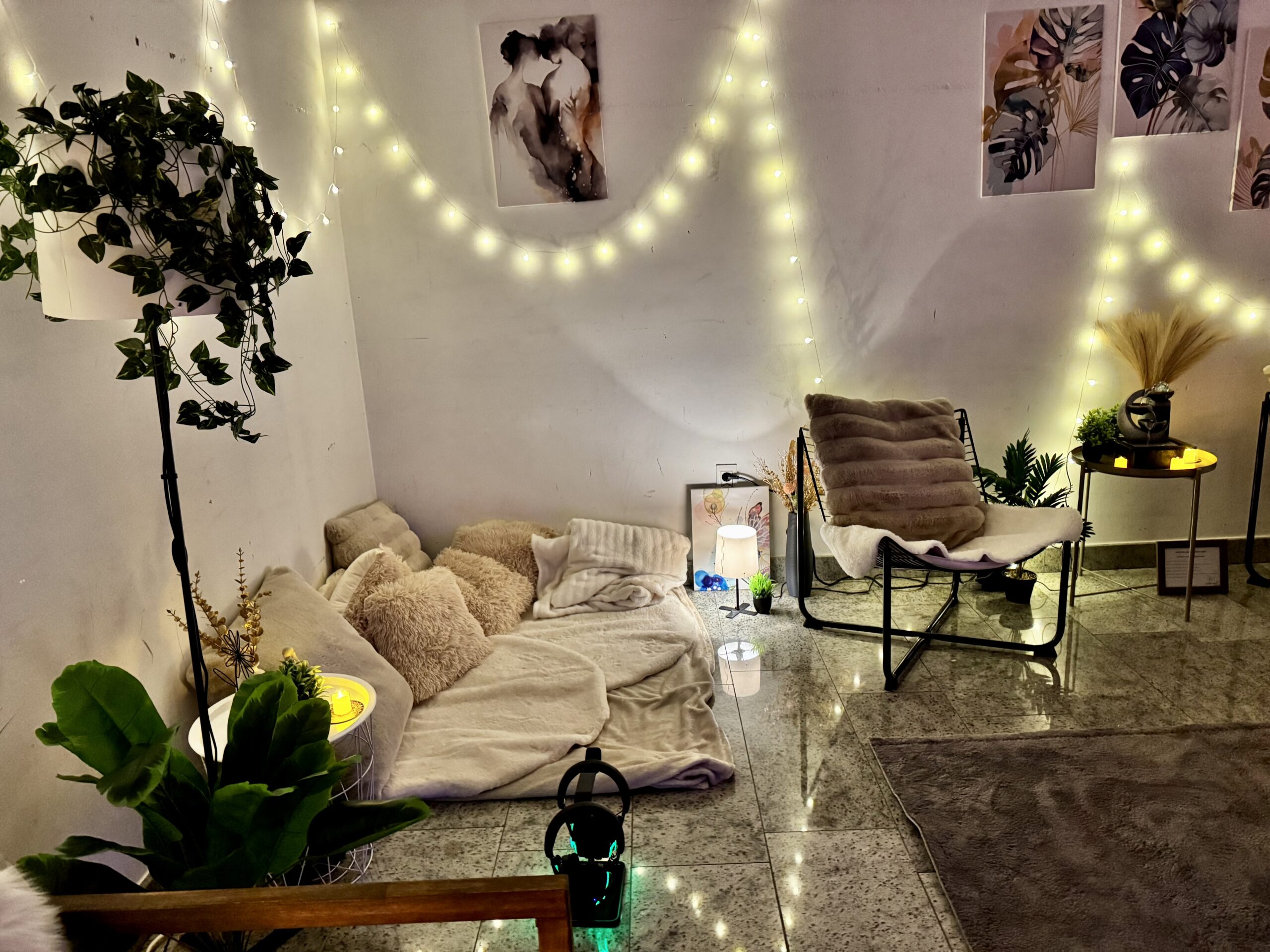
The Neuroscience of Overload
Sensory overload occurs when the volume of incoming sensory information exceeds the brain’s processing capacity. The thalamus, which acts as the brain’s sensory relay station, becomes flooded. The amygdala, the brain’s threat-detection centre, activates, triggering a stress response even in the absence of any genuine danger. Cortisol and adrenaline rise. The prefrontal cortex, responsible for reasoning, decision-making, and emotional regulation, becomes measurably less effective under this load.
This is why sensory overload doesn’t just feel unpleasant. It produces a genuine, physiologically-driven decline in cognitive function. People experiencing it aren’t choosing to disengage, their brain’s processing capacity has been temporarily exceeded.
Why Some Brains Are More Susceptible
Research on sensory processing sensitivity has found that highly sensitive individuals show heightened activation in brain regions associated with sensory integration and emotional processing, meaning the same environmental input that a neurotypical brain processes with minimal strain can require significantly more resources for a highly sensitive or neurodivergent brain to manage.
This isn’t a matter of resilience or willpower. It reflects genuine differences in neurological processing capacity, differences that are increasingly well documented across multiple, independent lines of research.
The Recovery Process
Just as overload has a measurable neurological signature, so does recovery. Reducing sensory input, dimmer lighting, less noise, fewer competing demands, allows cortisol levels to fall and prefrontal cortex function to gradually restore. This recovery isn’t instant, but it is often faster than people expect: many individuals report a noticeable shift within ten to fifteen minutes in a genuinely calm environment.
Designing for This Reality
Understanding the neuroscience reframes what a quiet room or calm space is actually doing. It’s not a lifestyle preference or a comfort feature. It’s a functional intervention that allows an overloaded nervous system to return to a state where it can process information, make decisions, and engage meaningfully again.
At Calm Nest Collective, every Calm Nest Space® we design is built around this neuroscience, creating environments specifically calibrated to support genuine recovery from sensory overload, not just a change of scenery.
Design spaces that support real neurological recovery. [Talk to Calm Nest Collective →]
