
A Finnish study found that simply changing what children play on, from gravel to forest floor, measurably strengthened their immune systems within a single month. The findings challenge how we think about “clean” versus “healthy” environments for kids.
The Study
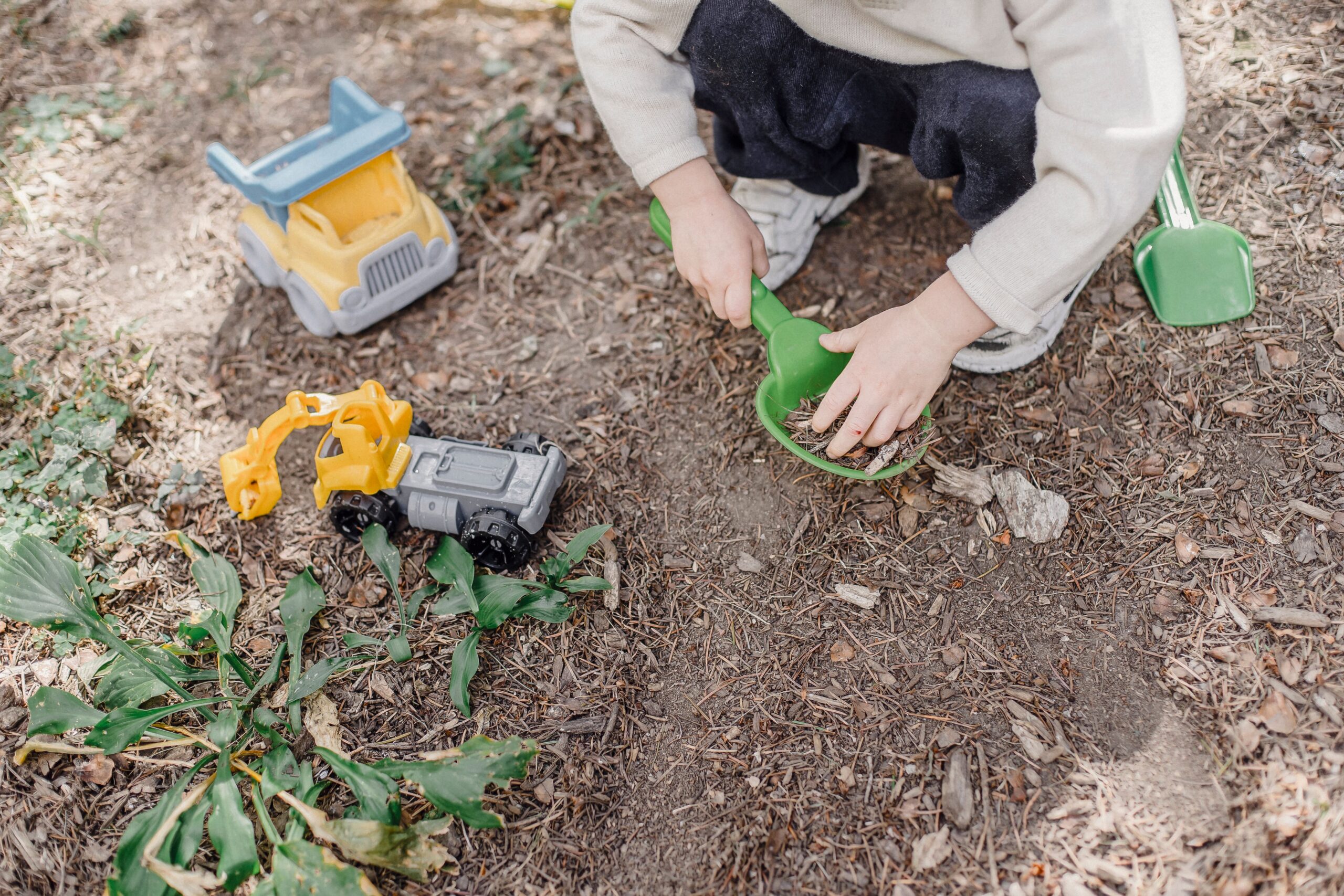
Published in Science Advances, the research followed children aged 3 to 5 across daycare centres in Finland. Researchers introduced forest undergrowth, lawn turf, and planter boxes to previously gravel-covered urban play yards, then compared the children’s biological markers to those at standard daycare centres with no such intervention.
What Changed in Just 28 Days
After 28 days, children playing in the newly greened yards showed measurably more diverse skin and gut microbiomes compared to children in unmodified play areas. Crucially, this diversity wasn’t just a curiosity, it corresponded with changes in specific immune markers linked to healthier immune regulation, including an increased ratio of the anti-inflammatory protein IL-10 to the pro-inflammatory protein IL-17A.
Why Dirt Isn’t the Enemy
The mechanism at play isn’t magic, it’s microbiology. Natural forest soil carries a rich diversity of environmental bacteria that children’s immune systems can encounter and learn from, something rubber matting and gravel simply cannot offer. Researchers found that after the intervention, the gut microbiota of children at the modified daycare centres began to resemble that of children who visited actual forests every day, suggesting that a designed, urban approximation of nature exposure can meaningfully mimic the real thing.
Three Key Mechanisms at Work
Microbe exposure: forest soil provided far greater contact with beneficial environmental bacteria than standard play surfaces
Immune training: children’s immune systems showed measurable signs of improved regulation within just one month
Increased biodiversity: microbial diversity rose on both the skin and within the gut of children in the greener yards.
A Note on the Scale of the Findings
It’s worth being precise about what the research actually showed. The study didn’t involve Finland replacing all its playgrounds nationwide, and the immune changes were observed within about one month, not one year, as some circulating summaries have suggested. The sample size was also modest, 75 children across the full study, with some reporting drawing on a smaller subset of centres, meaning the findings, while genuinely promising, are best understood as an encouraging early signal rather than a settled, universal conclusion.
Why This Matters Beyond Finland
This research adds to the broader “biodiversity hypothesis” of immune health, the idea that reduced contact with natural microbial diversity in increasingly urbanised environments may be contributing to rising rates of immune-related conditions. The encouraging implication is that the solution doesn’t require wilderness. It requires deliberate, intentional design, bringing small, genuine patches of biodiversity into the urban spaces children already occupy every day
The Bigger Design Lesson
What makes this study so compelling for anyone designing spaces for children, schools, nurseries, community centres, is how modest the intervention was. Lawn turf, forest undergrowth, and a few planter boxes were enough to shift measurable biological outcomes within weeks. Genuine access to nature doesn’t require overhauling an entire environment; it requires thoughtful, consistent, everyday contact.
At Calm Nest Collective, this research reinforces something core to our design philosophy, that small, genuine elements of nature woven into everyday environments can produce outsized benefits, for the body as much as for the mind.
