
Grounding is one of the most commonly recommended anxiety tools and one of the most inconsistently explained. Here’s a genuinely practical breakdown of techniques that work, and why.
Sensory Bags
Creating a small bag of objects tied to different senses, something to taste, feel, smell, hear, and see, ideally with positive personal associations, provides an immediate, portable grounding tool. This might include strong-tasting sweets, a favourite essential oil, a textured object like velvet or a pinecone, or a small sensory ball. When anxiety rises, pulling an object from the bag and deliberately exploring it through touch and attention interrupts the spiral of anxious thought by redirecting focus to concrete, present-moment sensation.
Creating a Sanctuary Space
Everyone benefits from having a physical space where it’s genuinely acceptable to not be okay. Designating even a single room or corner as a space to retreat to when anxious, used specifically for breathing exercises, grounding techniques, or simply sitting with difficult feelings, gives anxiety somewhere to go rather than nowhere to be expressed.
Worry Time
For persistent, buzzing anxious thoughts, setting aside a specific, contained slice of time each day to actively worry, with a gentle timer marking the end, can paradoxically reduce anxiety’s grip throughout the rest of the day. When the timer sounds, a brief breathing exercise or shift in activity helps close the loop and return attention to the present.
Drawing and Making
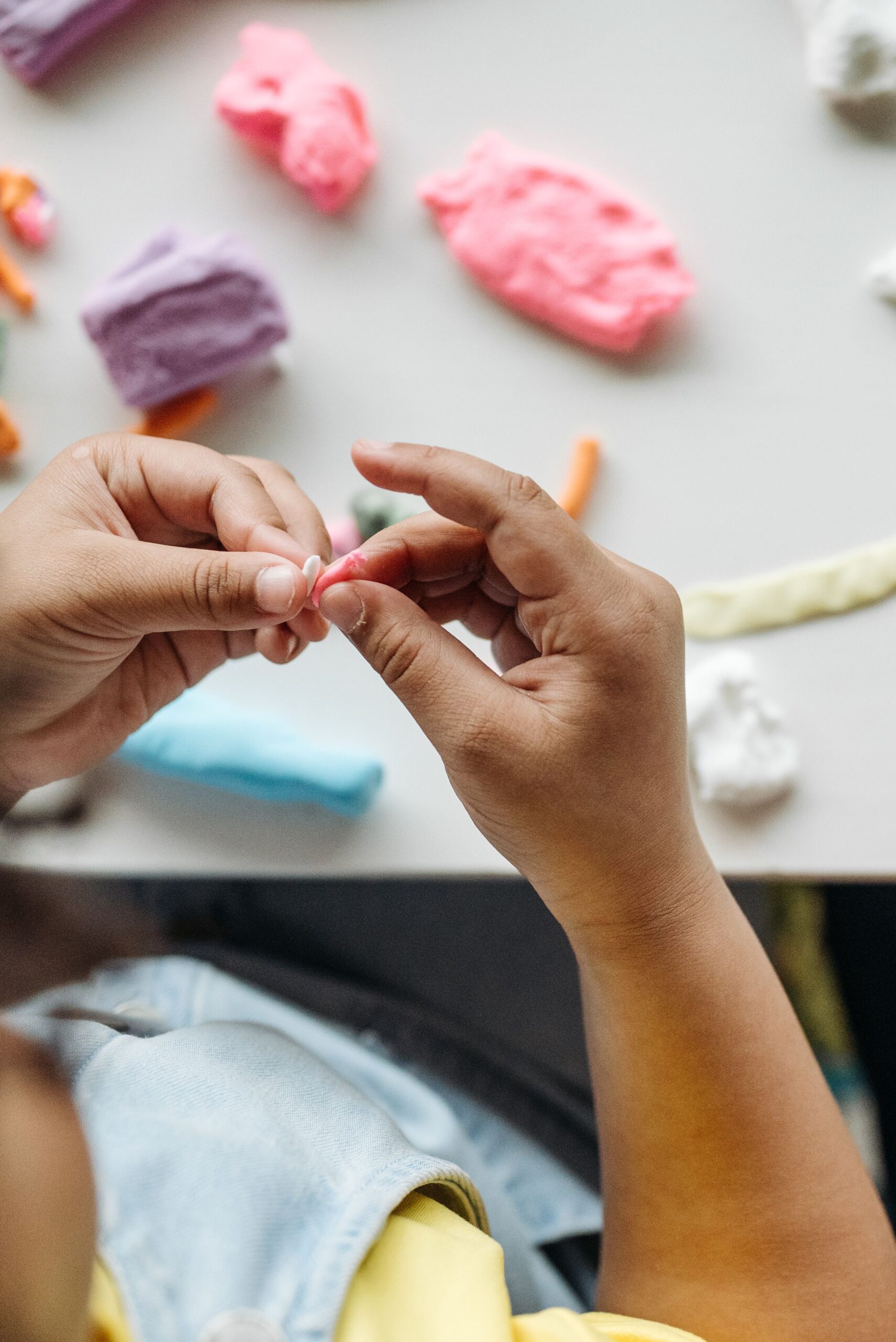
Giving the mind and hands something concrete to do, picking an object with neutral or positive associations and drawing it in detail, works particularly well for people who find it hard to articulate how they’re feeling in words. This kind of focused, sensory activity often grounds people more effectively than verbal processing alone, especially during moments of dissociation or high distress.
Grounding Objects and Transitional Tools
Creating a special grounding object together, invested with meaning in the same way a comfort blanket or worry stone works, can give children a tangible, reliable tool to reach for when anxious. The object should ideally be replaceable, since losing its “power” through washing or damage can create its own distress.
The Inner Dream Team
A more advanced but powerful technique involves conjuring supportive internal figures, real or imagined, past or present, to draw strength from during difficult moments. This might be a mentor, a fictional character, or someone who once showed genuine kindness. Asking “what would they say right now?” can offer a different internal voice than the anxious or self-critical one that often dominates during distress.
Why Variety Matters
No single grounding technique works for everyone, or even for the same person every time. Having a genuine toolkit, sensory, physical, cognitive, and relational tools, means there’s always another option to try when the first one doesn’t land.
At Calm Nest Collective, we build exactly this kind of varied, evidence-informed toolkit into every Calm Nest Space®, because grounding works best when people have real choice in how they regulate.
Build a genuine grounding toolkit into your space. [Talk to Calm Nest Collective →]
