
ADHD and sensory processing sensitivity are often discussed as entirely separate conditions. Research increasingly shows they overlap more than most people realise, with direct implications for how we design spaces.
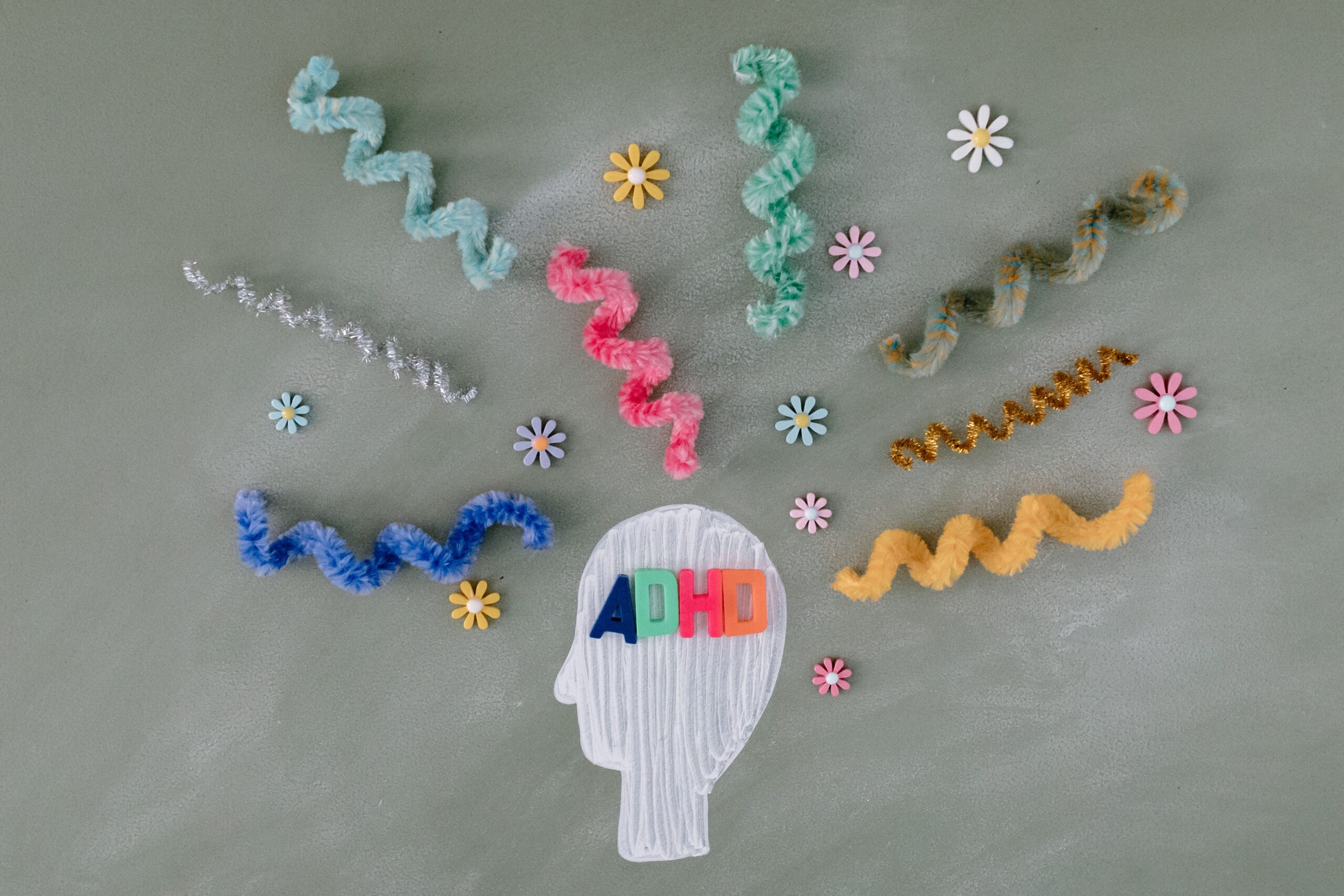
The Research Connection
A study examining the relationship between sensory processing sensitivity and ADHD symptoms in adults found a highly significant positive correlation between the two, individuals reporting more ADHD traits also reported significantly higher sensory sensitivity. The study’s exploratory analysis identified a factor combining ADHD traits with sensory sensitivity measures, suggesting the two are more neurologically intertwined than previously assumed.
This finding aligns with a broader body of research pointing toward abnormal sensory processing as a genuine feature of ADHD, not merely a coincidental co-occurrence.
Why This Matters for Design
Environments designed only with “attention” in mind, reducing distractions, simplifying visual layouts, address only part of what ADHD-friendly design actually requires. If sensory sensitivity frequently accompanies ADHD, then genuinely supportive environments also need to manage sound, lighting, and unpredictable stimulation, not just visual clutter and task structure.
This explains why some accommodations that work well on paper, a simplified desk layout, for example, don’t fully resolve the difficulties an ADHD employee or attendee experiences in a loud, brightly lit open environment. The sensory dimension needs addressing alongside the attentional one.
What Combined Design Looks Like
Effective environments for this overlapping population combine:
Predictable structure, reducing the cognitive load of navigating an unfamiliar or poorly signposted space
Acoustic management to reduce unpredictable auditory intrusion
Adjustable, non-fluorescent lighting to reduce visual strain
Genuine, accessible quiet spaces for sensory reset, not just task-focused quiet zones
Movement-friendly design, since restlessness and the need to shift position are common ADHD traits that static, sensory-controlled environments can otherwise suppress.
Designing for the Overlap
At Calm Nest Collective, we design Calm Nest Spaces® that account for this documented overlap between ADHD and sensory sensitivity, rather than treating attention and sensory processing as separate design problems requiring separate, disconnected solutions.
Design for the whole picture, not just one diagnosis. [Talk to Calm Nest Collective →]
