
Open-plan offices were sold as the future of collaborative work. The research increasingly tells a more complicated story and sensory processing science explains why.
The Promise vs. the Reality
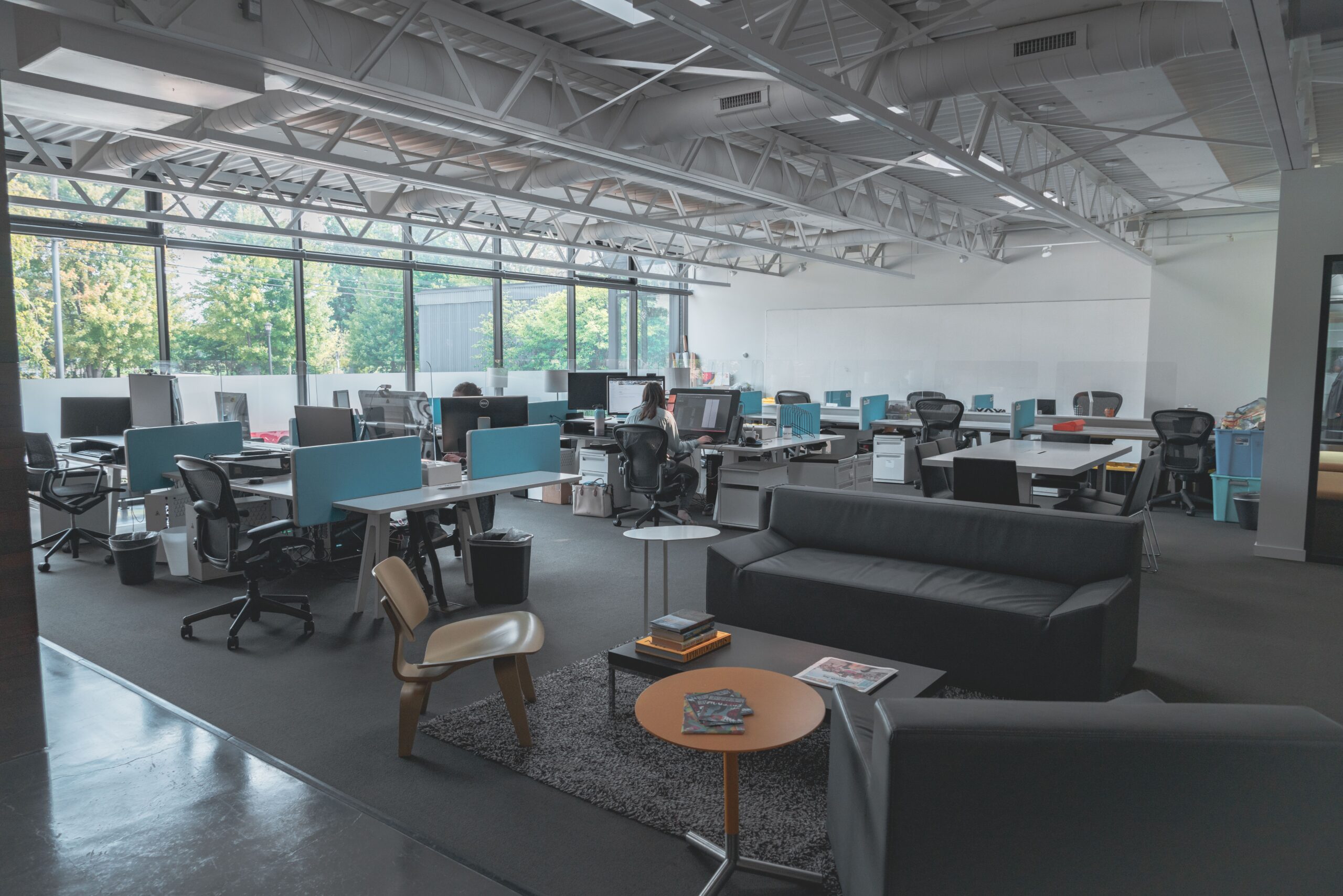
Open-plan layouts were designed around a compelling idea: remove the walls, and collaboration, communication, and creativity will flow more freely. In practice, research has found the opposite pattern in many cases, reduced face-to-face interaction, increased use of digital communication as a retreat from ambient noise, and higher reported stress levels among employees working in open environments.
The Sensory Science Behind the Failure
This pattern becomes easier to understand through the lens of sensory processing research. Open offices maximise exactly the kind of ambient, unpredictable, low-level sensory input that experience sampling research has shown accumulates into significant overstimulation across a working day, conversations at nearby desks, phone notifications, footsteps, fluctuating lighting, and constant visual movement.
For the estimated 15–20% of the workforce with heightened sensory processing sensitivity, and for many neurodivergent employees, this environment doesn’t just feel mildly distracting. It represents a sustained drain on cognitive resources that measurably reduces the capacity available for focused, high-quality work.
It’s Not Just a Neurodivergent Problem
What the broader sensory processing research makes clear is that this isn’t a niche issue affecting only a small, identifiable group. The cumulative sensory load of open-plan environments affects a substantial proportion of any workforce, including many neurotypical employees who simply describe themselves as “needing quiet to concentrate” without realising this reflects a well-documented, measurable phenomenon.
What Actually Works
The research points toward a specific solution: not abandoning open-plan design entirely, but building genuine variety into office environments. Dedicated quiet zones, acoustic management, and accessible focus spaces alongside collaborative areas allow employees to match their environment to their task and their current sensory capacity, rather than being locked into a single, unvarying level of stimulation for eight hours straight.
At Calm Nest Collective, we design workplace Calm Nest Spaces® specifically to address this gap, giving open-plan offices the restorative counterbalance that the sensory science shows they urgently need.
Fix what open-plan offices got wrong. [Talk to Calm Nest Collective →]
