
Category: Inclusion & Accessibility
-
The Role of Nature in Reducing Stress And How to Bring It Indoors
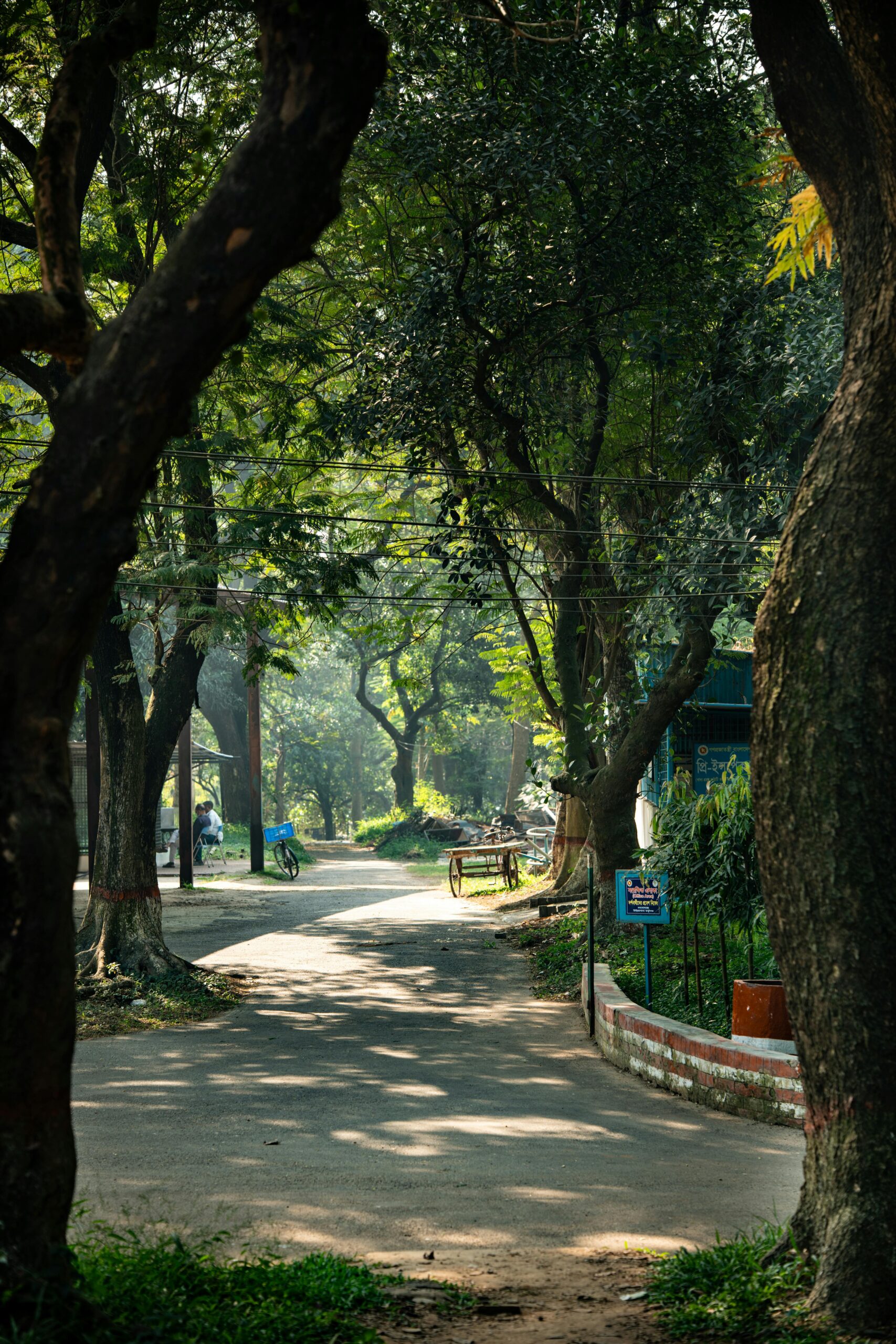
Nature has always been humanity’s most reliable reset. Long before the science existed to explain it, people understood instinctively that stepping outside, walking among trees, sitting near water, feeling natural light on their face, made them feel better. Calmer, clearer, more themselves. Now the science exists. And it confirms what we’ve always known, with a…
-

Inclusive Catering – The Detail That Signals Everything
Nothing communicates inclusion more quickly than whether someone can actually eat at your event. Catering is one of the most overlooked dimensions of inclusive event design. It affects neurodivergent attendees, people with disabilities, those with severe allergies, and people with religious dietary requirements. When it goes wrong, it sends a clear and deflating message. The…
-
How Noise Affects Your Decision-Making (More Than You Think)
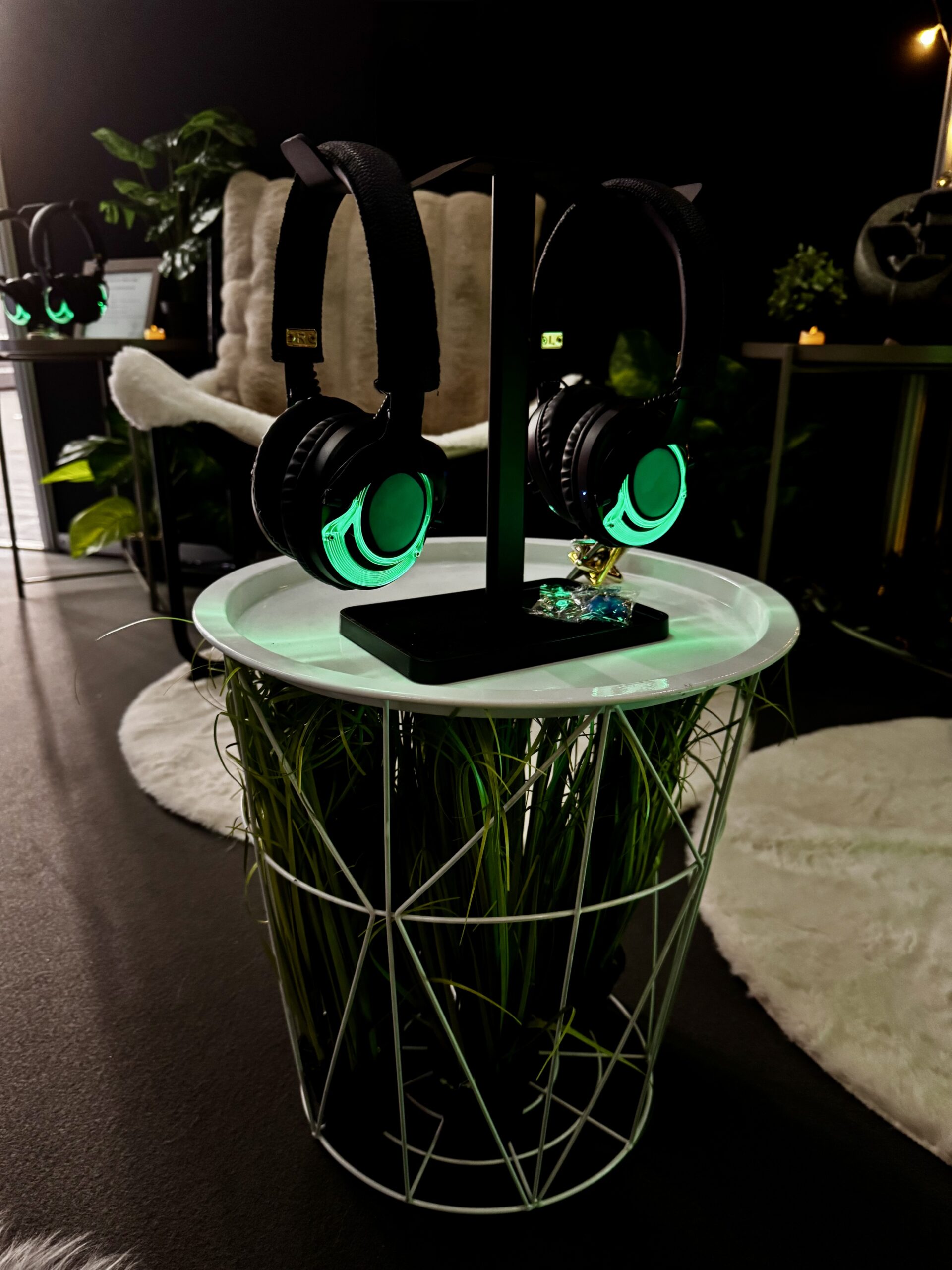
Noise is almost universally treated as a minor inconvenience, background texture, easily tuned out, barely worth mentioning. But sound doesn’t just fill our ears. It actively shapes the way we think, the decisions we make, and the quality of the work we produce. And the gap between what we assume noise costs us and what…
-

One Quiet Room. A Whole School Transformed.
Imagine a school where learning isn’t constantly interrupted by stress, overwhelm, or emotional dysregulation. Where children who are struggling aren’t sent out of the room as a consequence, but offered a space that helps them come back ready to engage. That vision is already becoming reality. And it starts with something simpler than most school…
-
The Staff Briefing That Changes Everything
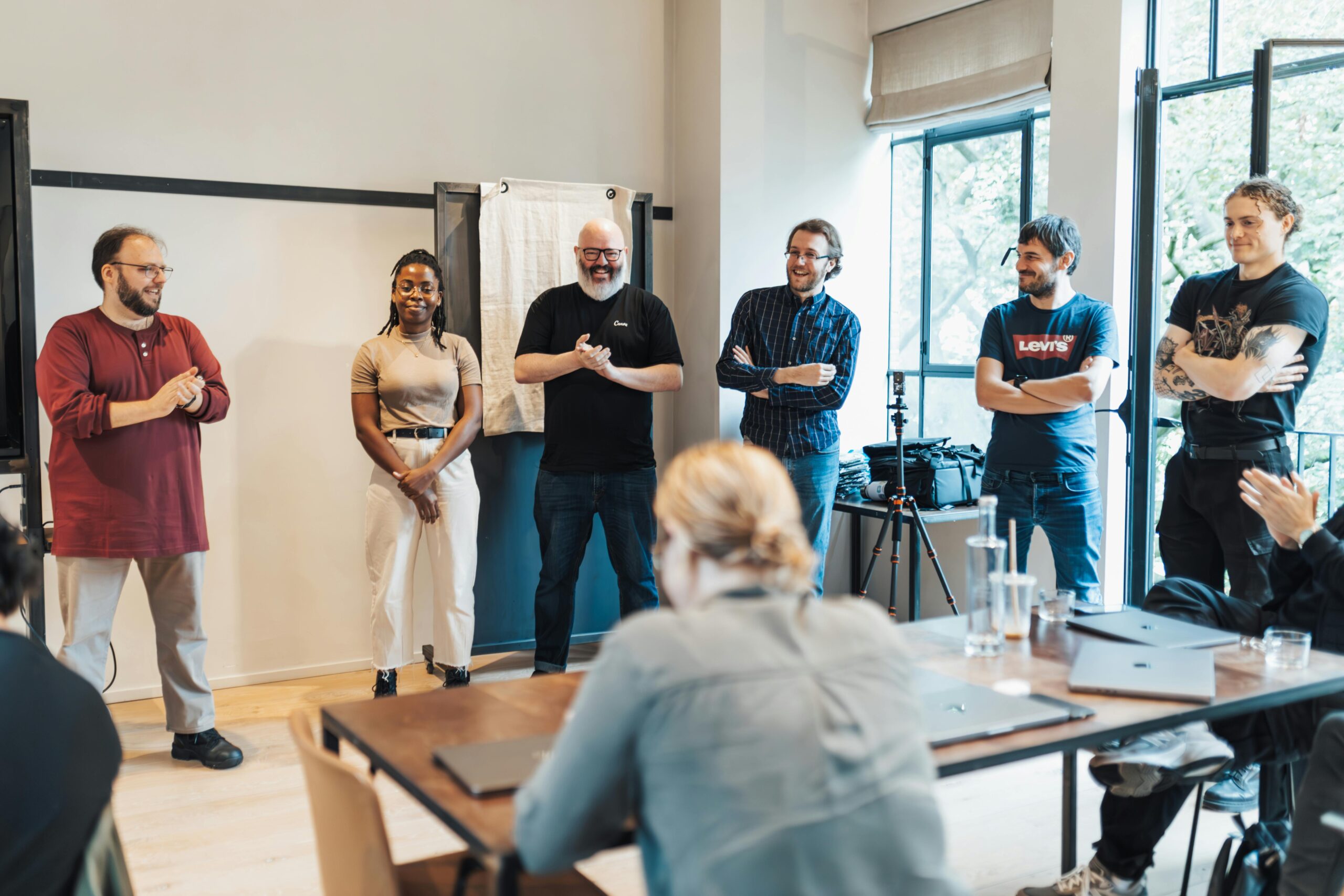
You can design the most inclusive event in the world. Then one undertrained staff member can undo it in seconds. Inclusive event design is not only about physical spaces and schedules. It is about culture. Culture is carried by people. The way your team greets, supports, and responds to attendees determines whether the design you…
-
Public Spaces Are Lifelines for Mental Health. So Why Do We Remove Them When Stress Peaks?
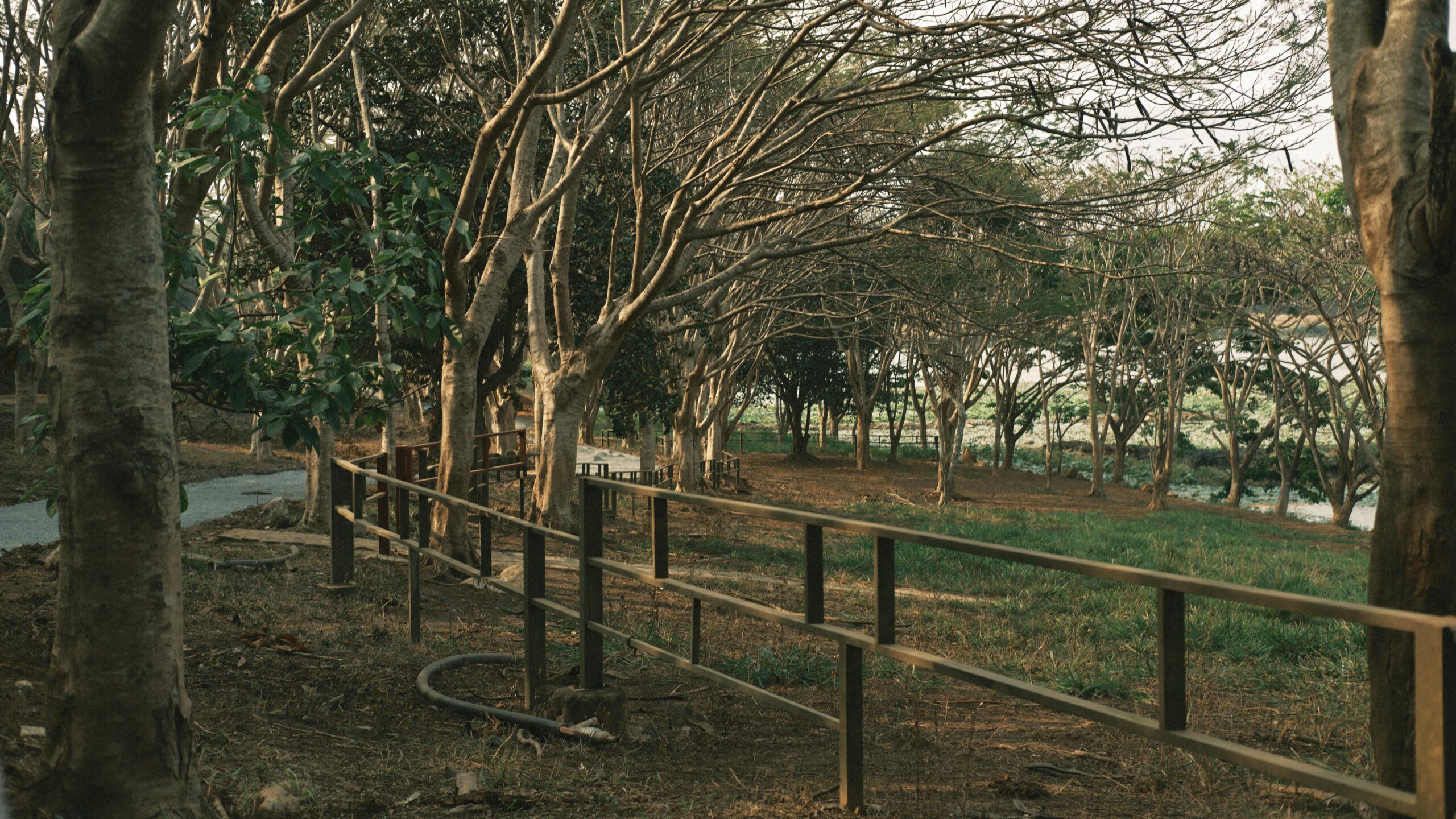
Research on this is remarkably consistent: access to green, restorative environments has profound psychological benefits. People living near parks experience significantly lower rates of depression and anxiety. Even a short visit to a garden can improve mood, focus, and cognitive performance for hours afterward. The spaces around us shape our emotional wellbeing as much as…
-

Universities Are Built for Achievement. But Are They Built for Students?
University life carries a powerful narrative: exploration, growth, transformation. And for many students, that’s real. But so is this, long hours in overstimulating environments, pressure that rarely lets up, and very few spaces designed to support the human being behind the academic performance. Lecture halls, libraries, cafeterias, these spaces are built for productivity. Almost none…
-
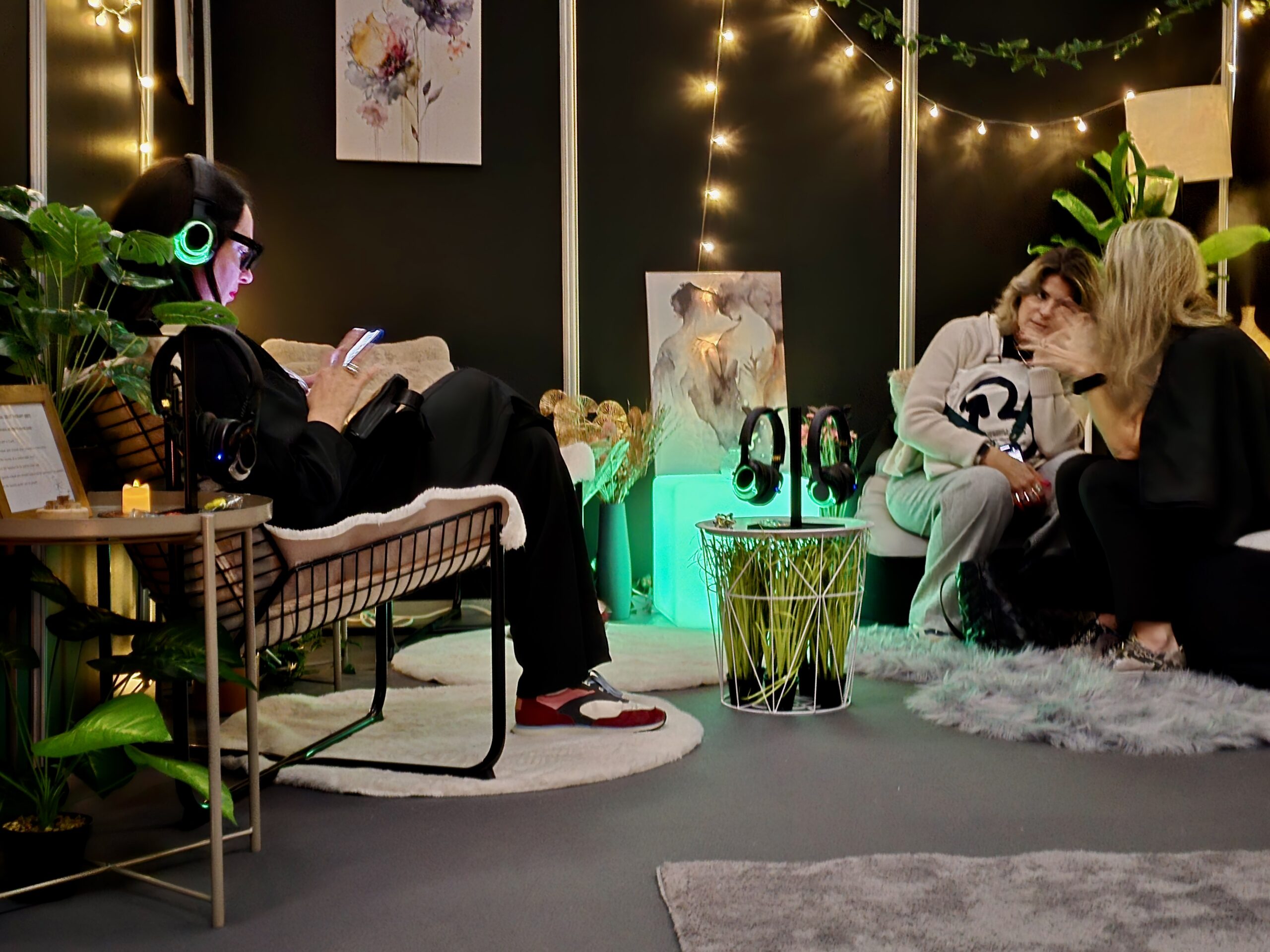
“I Thought This Was for Other People.” It’s Not.
At an event we worked on, a delegate said something that has stayed with us ever since: “I thought quiet rooms were for other people. But when I stepped in, I realized this was for me too.” That single moment captures something we see again and again and it’s at the core of everything we…
-
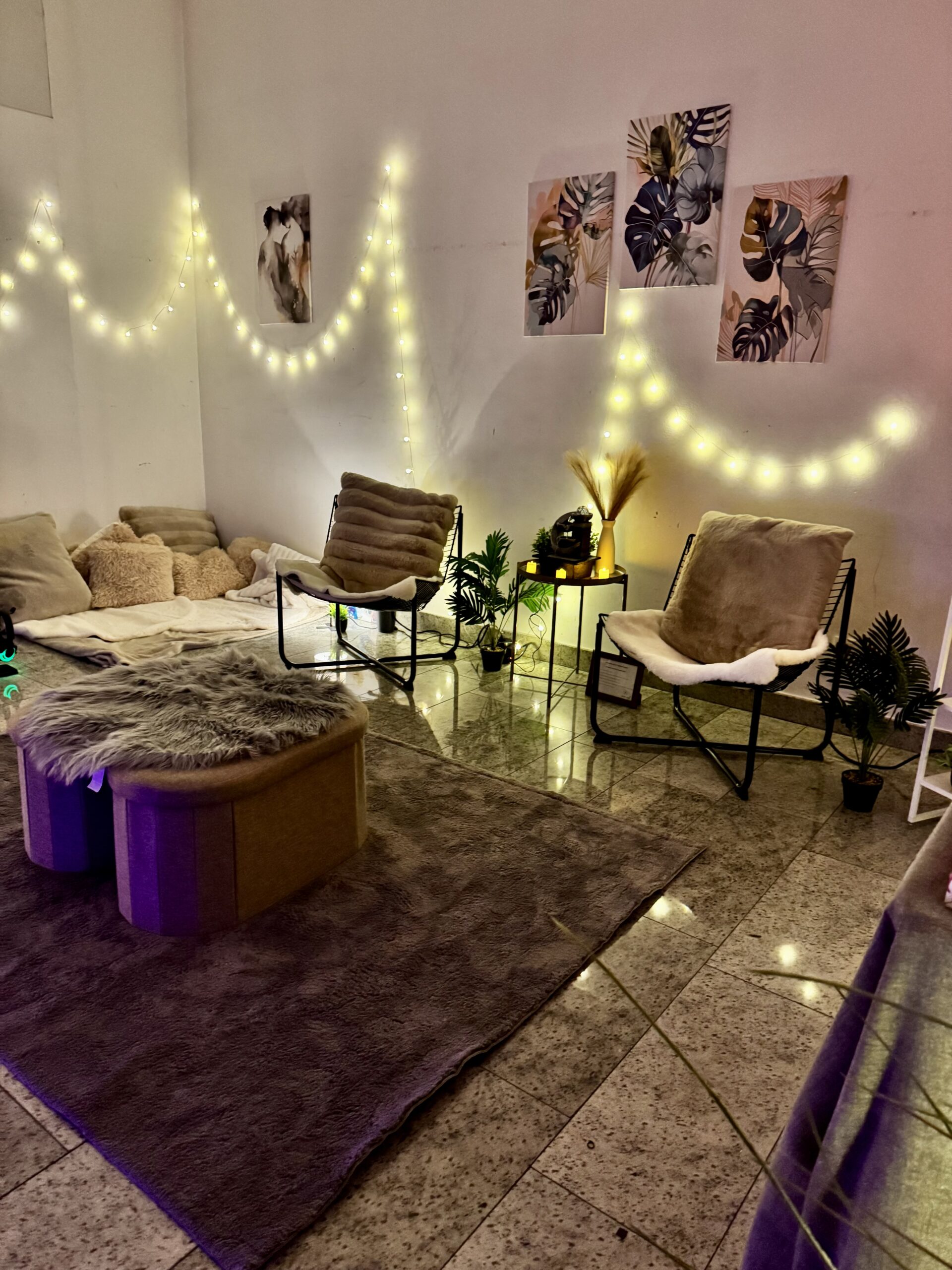
Quiet Rooms Aren’t About Opting Out. They’re About Opting In.
When people first hear about quiet rooms at events or workplaces, a misconception often follows: that’s a space for people who can’t cope. A place to withdraw. To step aside from the real action. That framing gets it completely backwards. Quiet rooms aren’t about opting out. They’re about giving more people a genuine way to…
-

Why Your Event Loses Energy on Day Two (And What to Do About It)
It’s a familiar story: a conference begins with excitement and energy on day one. But by day two, the atmosphere shifts. Attendees vanish from sessions, networking slows, and the buzz fades. You’ve planned everything. The speakers are brilliant. The catering is sorted. The programme is packed with value. So why, by day two, are the…