
Category: Inclusion & Accessibility
-
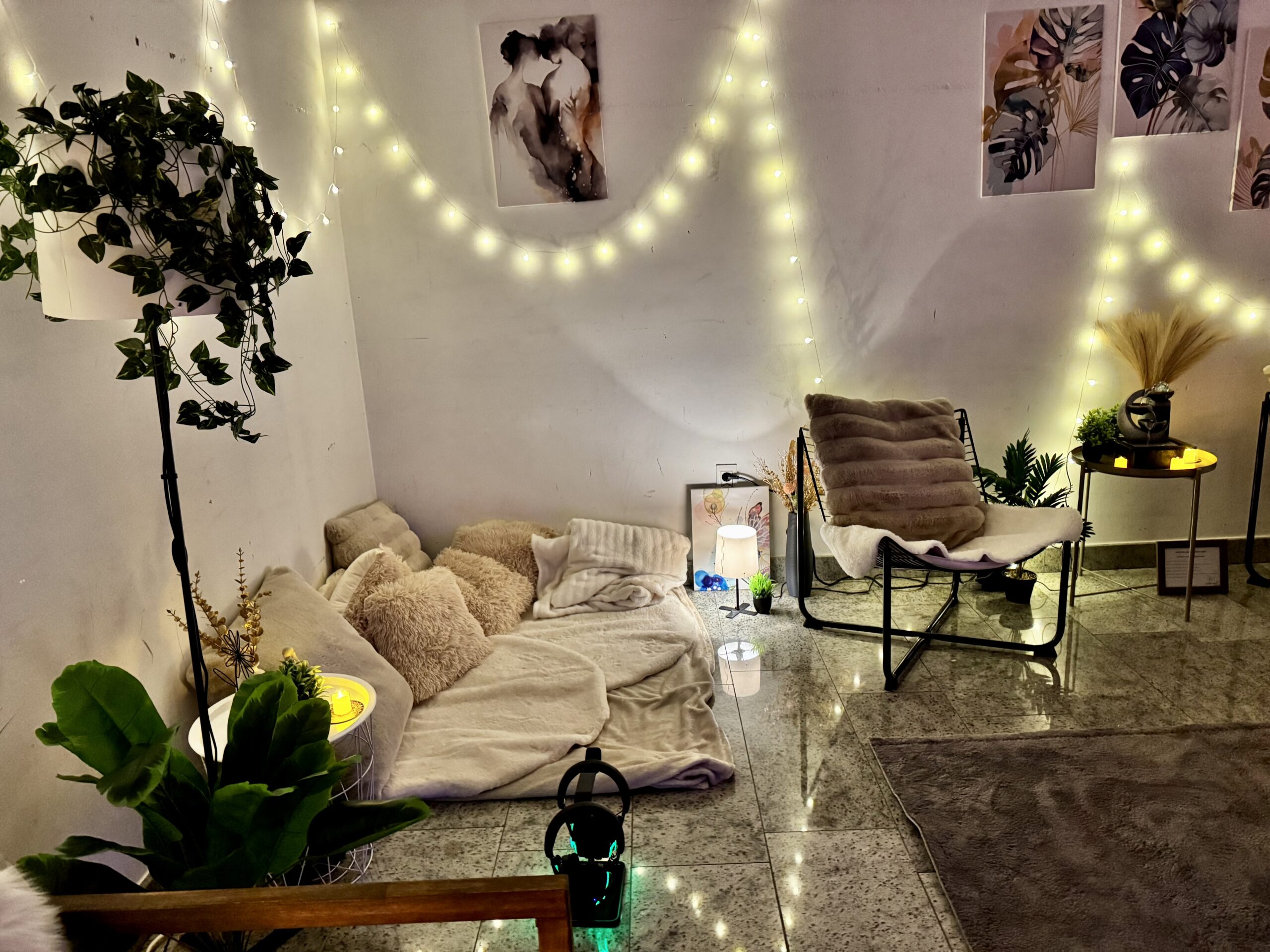
Why Neuroinclusive Spaces Matter for Everyone, Not Just Neurodivergent People
When we talk about neuroinclusive design, the conversation often centres on a specific group of people. Those with autism. Those with ADHD. Those with sensory processing differences or anxiety conditions. And yes, these communities have been calling loudest and longest for environments that actually consider their needs, because for them the stakes are highest and
-

The Hidden Cost of Constant Stimulation (And Why Your Brain Is Paying the Price)
We live in a world engineered to keep us switched on. From the moment we wake up, notifications, news, commuter noise, open-plan offices, back-to-back meetings, screens glowing late into the night, modern environments make a relentless demand on the human brain: stay alert, stay responsive, stay on. The problem is that our nervous systems were
-
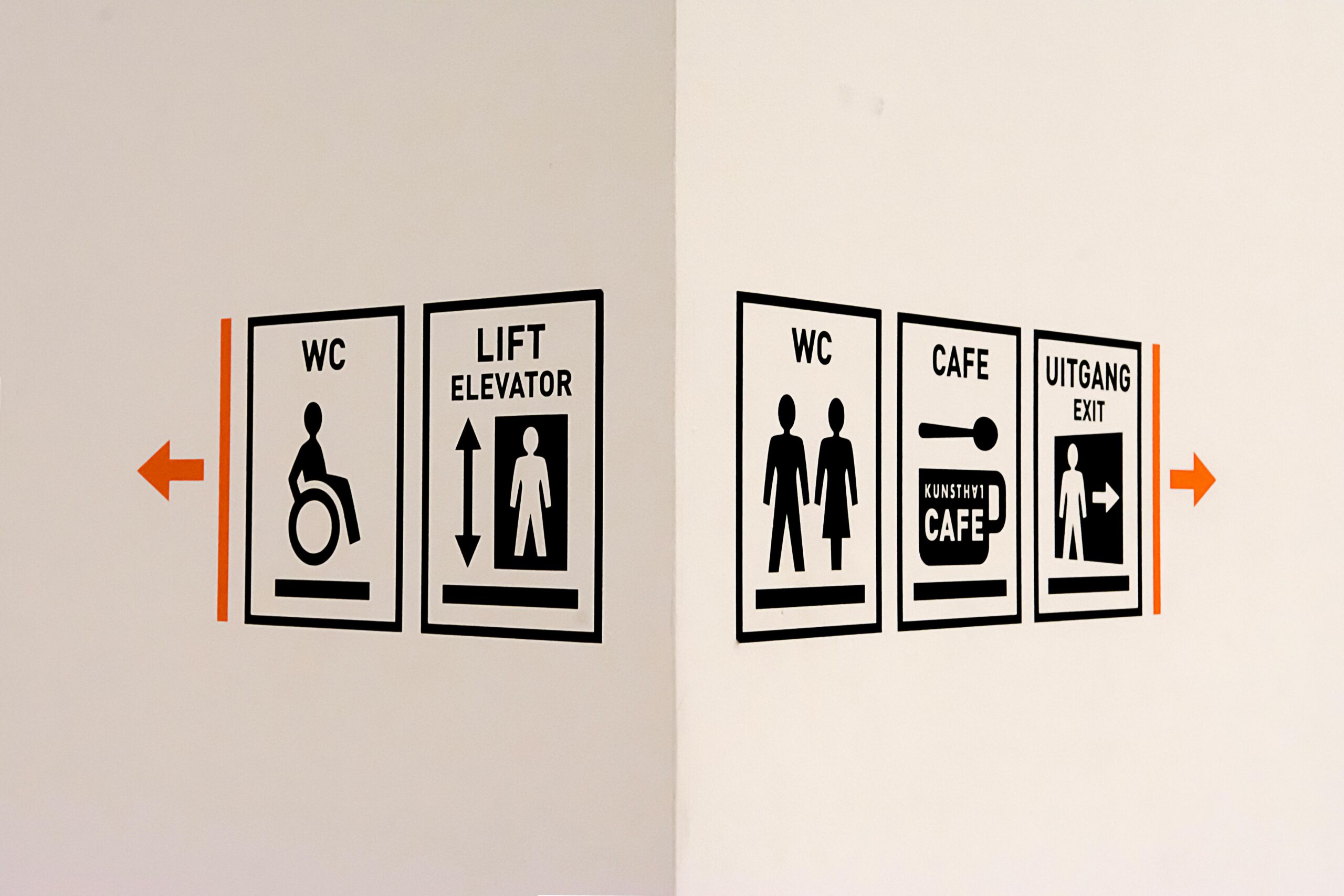
Inclusive Signage and Wayfinding. The Unsung Hero of Accessible Events
Most event planners treat signage as decoration. For many attendees, it is the difference between participation and panic. Clear wayfinding reduces cognitive load. It lets people navigate independently. It removes the anxiety of not knowing where to go which matters enormously for neurodivergent attendees, those with anxiety, and anyone who finds asking for help difficult.
-
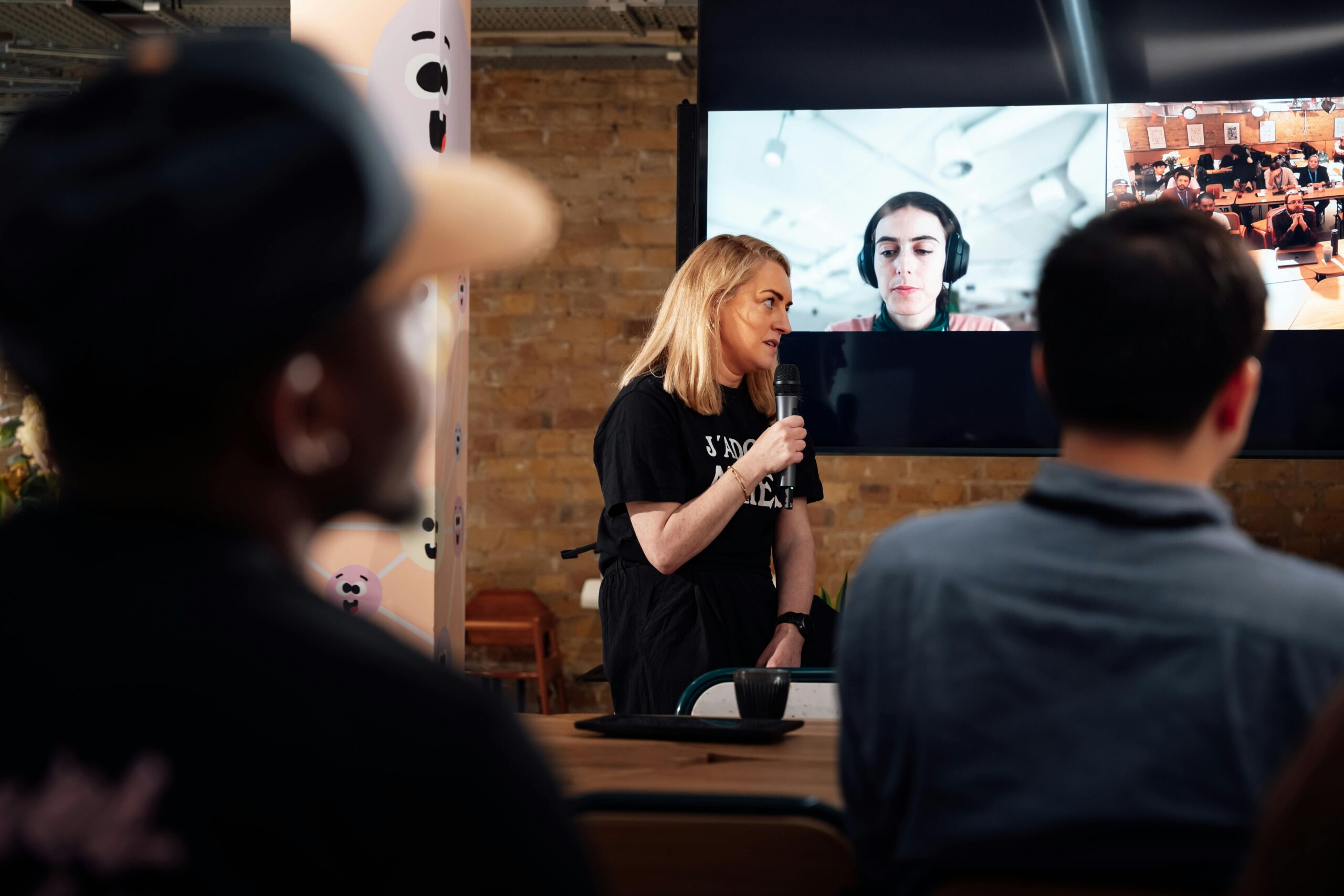
Inclusive Event Design for Virtual and Hybrid Events
Virtual events are often assumed to be more accessible. In many ways they are. But inaccessible virtual design creates entirely new barriers and they affect the same people who already face barriers in person. Removing the need to travel, navigate a physical venue, or manage a crowd is genuinely valuable for many attendees with disabilities,
-
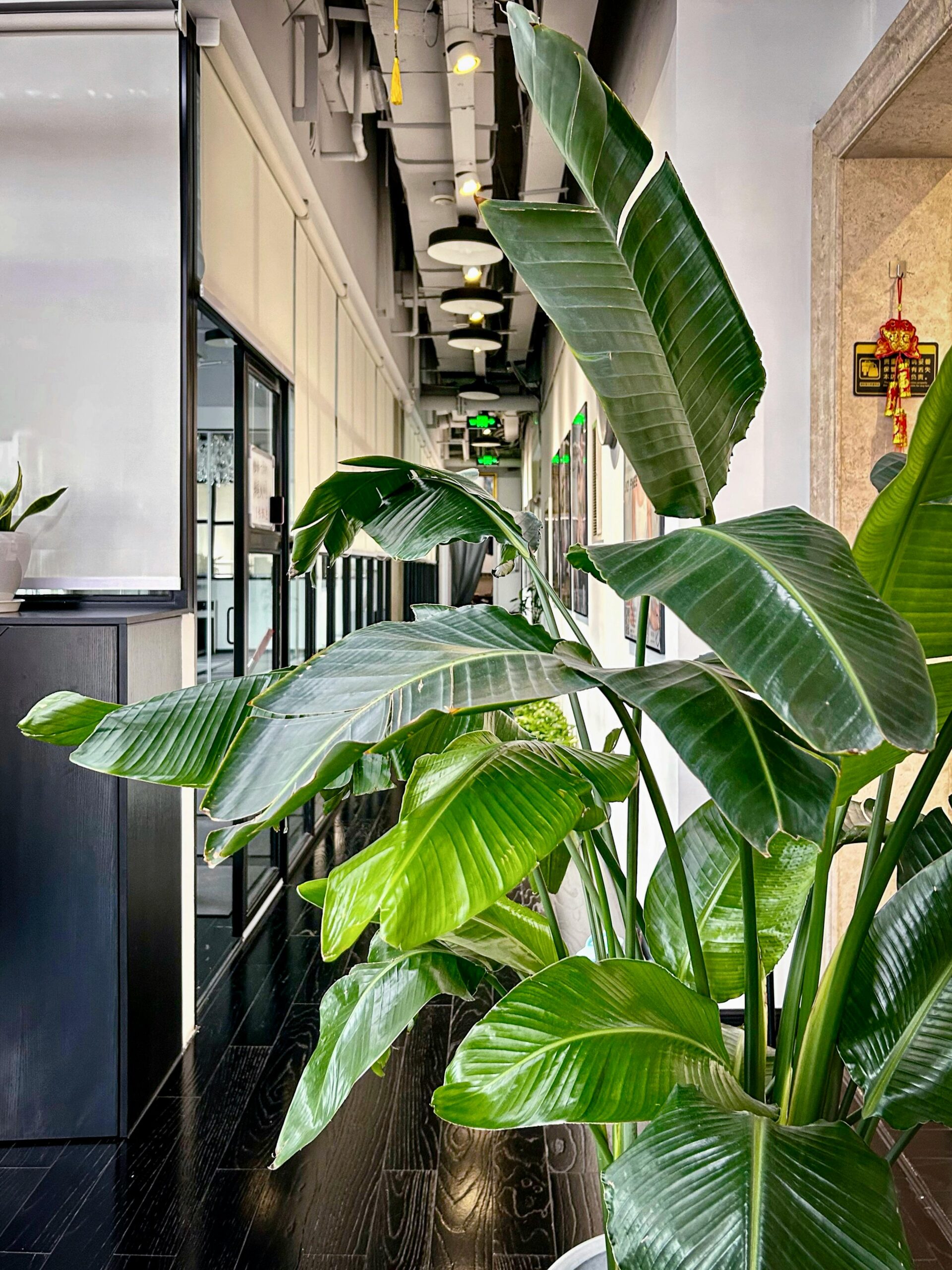
How Inclusive Event Design Applies to the Workplace
Everything we know about inclusive event design applies directly to the workplace. For most people, the workplace is the event they attend every single day. Open-plan offices are conference floors without end dates. Meeting rooms are breakout sessions back to back. The sensory environment of a workplace, its lighting, its noise levels, its design, shapes
-

The Quiet Zone Guide. How to Design One That Actually Works
64.5% of people say a quiet zone allows them to stay at an event longer and participate more fully. That is a remarkable statistic for something that costs relatively little to implement. A quiet zone is not a corner with a beanbag. A well-designed one actively restores people’s capacity to engage. Here is how to
-
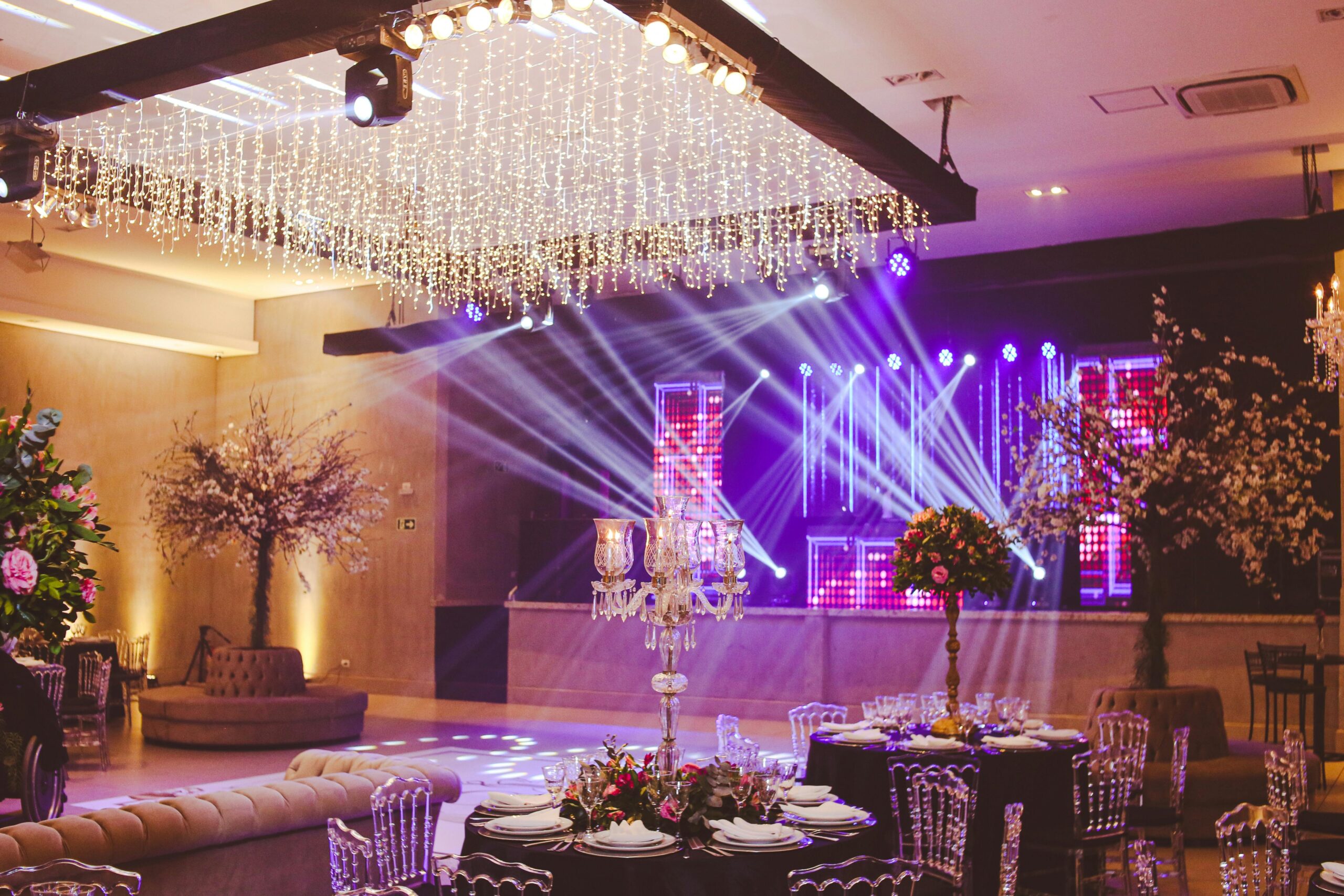
How to Choose an Inclusive Venue (Before You Sign the Contract)
Most event planners choose a venue for how it looks. The most inclusive planners choose it for how it works. Venue selection is the single biggest factor in whether your event includes or excludes a large part of your audience. Get it wrong and no amount of good content or warm staff will fix it.
-

Lighting, Sound, and Smell. The Sensory Details That Make or Break Inclusive Events
Most event organisers think about staging, catering, and schedules. Fewer think about the sensory environment their attendees are about to walk into. That is a problem. For neurodivergent attendees and for many more people than you realise, the sensory experience of an event determines whether they can participate at all. Sound: The Biggest Barrier You
-

How to Write Inclusive Event Communications (A Practical Guide)
Your event communications are the first experience your attendees have. If they are not accessible, many people will not attend at all. The average reading age in the UK is nine years old. That is not a commentary on intelligence. It reflects a diverse population that includes people with dyslexia, learning difficulties, non-native English speakers,
-

Why Your Event Schedule Is an Inclusion Issue
Most event organisers think about inclusion in terms of physical access and facilities. Far fewer think about the schedule. The way you structure your programme is one of the most powerful inclusion decisions you make. It directly affects how many people can participate and how well. The Attention Span Problem Nobody Talks About The average